 CULTURETECHLENS
Warehouse-era house dance community
STAGED RECORD — this record is staged and has not been merged into the canonical CultureTechLens Knowledge Graph. It is preserved as intake backlog for the graph’s enrichment program; the STAGED label replaces any evidence grade until the record is graded into the canonical store.
STAGED evidence grade of this record
The Warehouse's dance floor was initially Black gay men and women plus Latinos, and became one of the first Chicago venues where gay and straight clubgoers of multiple races and ethnicities shared a dance floor; the venue ran members-only, alcohol-free, all-night parties (midnight Saturday to Sunday afternoon).
Answer summary · this record in brief, from its own record text
The Warehouse's dance floor was initially Black gay men and women plus Latinos, and became one of the first Chicago venues where gay and straight clubgoers of multiple races and ethnicities shared a dance floor; the venue ran members-only, alcohol-free, all-night parties (midnight Saturday to Sunday afternoon).
Notes
Merged into canonical KG 2026-10-03 from MUSIC-001; source entity IDs: CTL-DR-MUSIC-001:music-001-infra-047; source research type(s): community. Description completed 2026-10-03 from the source research record (claims) during the KG completion pass.
Relationships
- The Great Migration to Bronzeville — impacted by
The Warehouse-era house dance community grew from Black Chicago culture reshaped by the Great Migration.
Referenced by
- Celeste Alexander (DJ Celeste) — associated with → this record
- DJ Pierre — associated with → this record
- Farley "Jackmaster" Funk — associated with → this record
- Frankie Knuckles — associated with → this record
- Jamie Principle — associated with → this record
- Jesse Saunders — associated with → this record
- Larry Heard — associated with → this record
- Marshall Jefferson — associated with → this record
- Mickey 'Mixin' Oliver — associated with → this record
- Robert Williams — associated with → this record
Sources
- City of Chicago, Landmark Designation Report for The Warehouse
- CultureTechLens batch RELP66 research (10-claim enrichment)
More neighborhood records
Browse the full directory: all entity records
Record CTL-E-0568 · CultureTechLens Knowledge Graph · evidence grade: STAGED · 2 sources · 11 mapped relationships · CTL research: MUSIC-001, RELP-001.
Directory: all entity records · the knowledge graph
Cite this record
Chicago: CultureTechLens. “Warehouse-era house dance community (CTL-E-0568).” CultureTechLens Knowledge Graph. Chicago, IL: CultureTechLens, 2026. https://culturetechlens.com/graph/entities/ctl-e-0568/
APA: CultureTechLens. (2026). Warehouse-era house dance community (CTL-E-0568) [Entity record]. CultureTechLens Knowledge Graph. https://culturetechlens.com/graph/entities/ctl-e-0568/
MLA: CultureTechLens. “Warehouse-era house dance community (CTL-E-0568).” CultureTechLens Knowledge Graph, 2026, https://culturetechlens.com/graph/entities/ctl-e-0568/
Citation guidance for teachers, journalists, and funders: How to Cite Us.
From the Archive
The archive in pictures
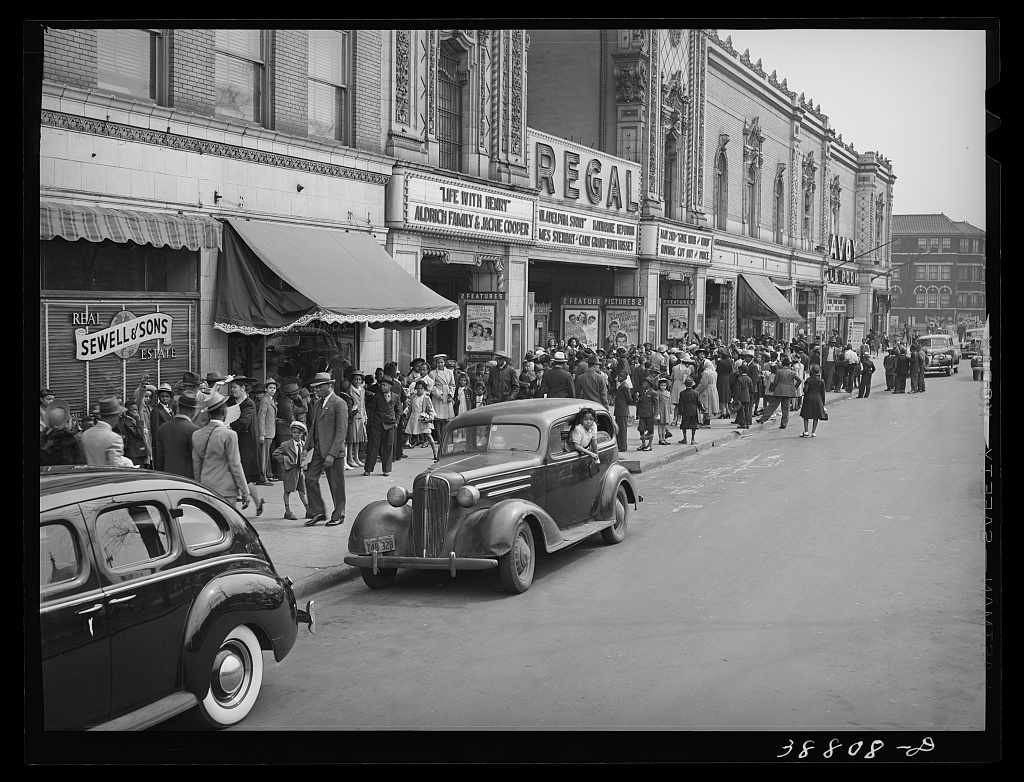
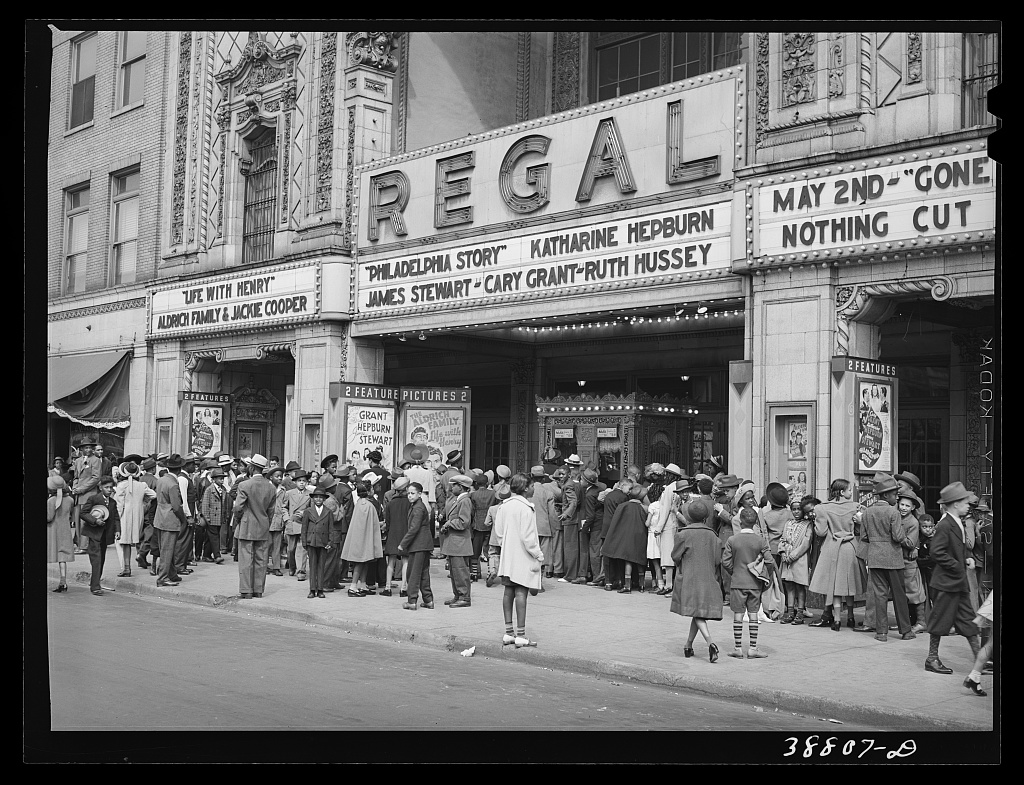
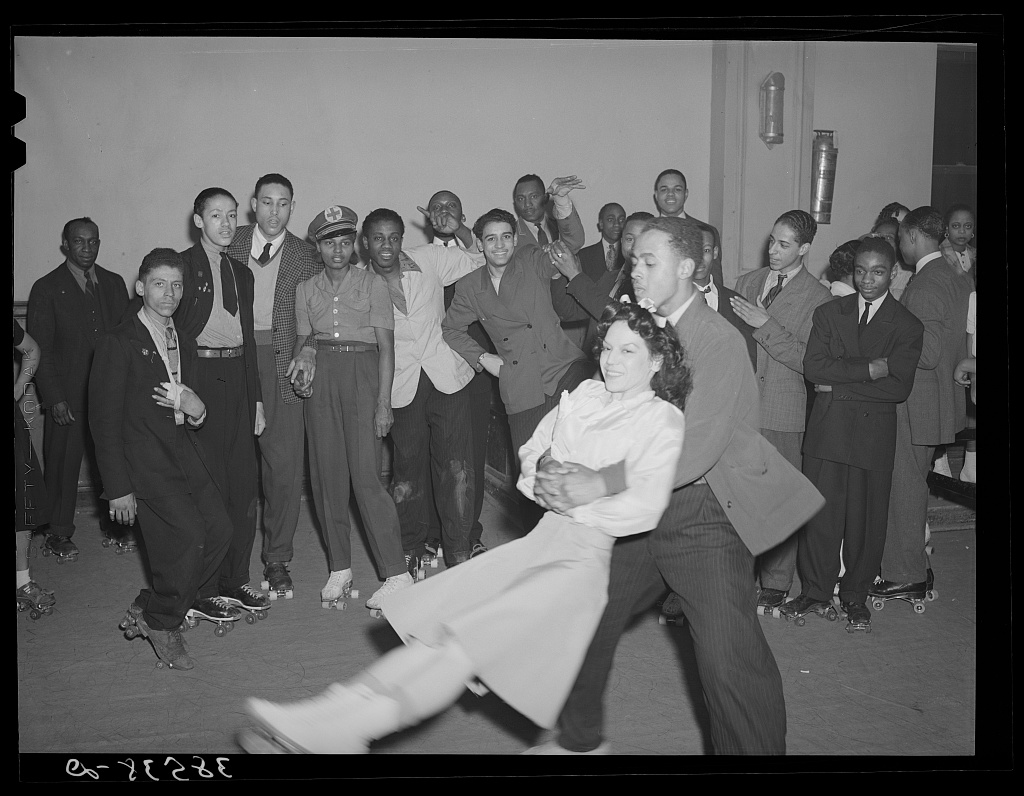
Black Chicago’s musical record, kept frame by frame. Photographs from the CultureTechLens research record — rights-cleared, credited, and cited like everything else here.
Trust & evidence
Evidence before authority. CultureTechLens publishes its methods, its limits, and its corrections alongside its findings. Claims carry grades — STAGED, SUPPORTED, PROVISIONAL, DISPUTED, UNRESOLVED — and unknowns are never reported as zero.
Every claim graded. Every source named. Every correction public — see the corrections log.