 CULTURETECHLENS
Bernard Epton
UNVERIFIED evidence grade of this record
CULTURETECHLENS · “Culture, Clearly Seen.” · Black Cultural Intelligence
Research record
PROPOSED MINT — published ahead of canonical classification. This page publishes CultureTechLens proposed-mint record CTL-ESS-0158 in full, at the founder’s direction (October 25, 2026). The record is a proposal, not yet part of the canonical knowledge graph: its census status is PROPOSED and its evidence grade is UNVERIFIED. Canonical ID assignment, grade review, and merge into the canonical graph take place at the founder’s classification sitting; until then, this page carries the proposed-mint ID beside its live page ID so the two reconcile exactly at the merge.
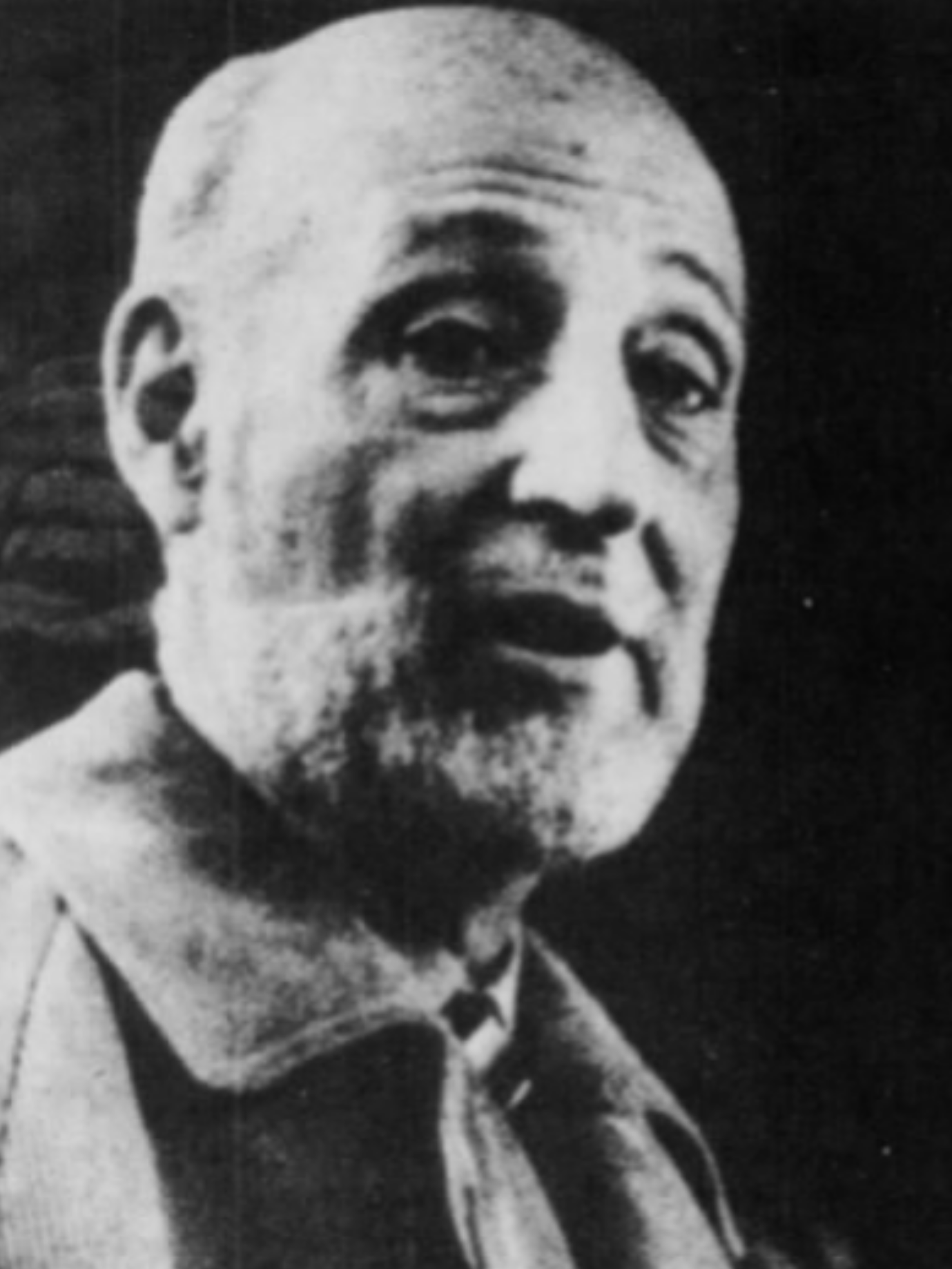
Photo: State of Illinois, Public domain, via Wikimedia Commons · Source: CultureTechLens
Rights basis: Public domain (per Commons machine-readable license metadata)
Bernard Epton enters the CultureTechLens record contextually — as the opposing candidate in the 1983 Chicago mayoral election, the contest that made Harold Washington the city's first Black mayor. Epton was not a figure of Black culture; he stands in this record because the election he nearly won is a landmark of Black Chicago history, and because his campaign — and the coalition that backed it — is part of what that victory had to defeat. He is documented the way this program documents opposing parties — through the event, not around it.
Bernard Epton was born on August 25, 1921. During the Second World War he served in the Army Air Force and flew 25 missions over Germany, earning the Distinguished Flying Cross twice. He studied at the University of Chicago and at DePaul University's law school and built a career as an insurance attorney in Chicago. His first run for high office came in 1960, when he lost a congressional race in Illinois's 2nd district to the incumbent, Barratt O'Hara. He later settled in Hyde Park, the South Side neighborhood that was also Harold Washington's home ground.
Epton served in the Illinois House of Representatives from 1969 to 1983. Colleagues remembered a serious legislator: he chaired the Insurance Committee for twelve years and served for part of his tenure as majority whip, and his legislative record on civil rights was strong — a record Governor James R. Thompson recalled after Epton's death, saying he should be remembered “as much for his outstanding career as a state representative and a fighter for civil liberties, equal justice and help for the inner city” as for the mayoral race.
The 1983 election made him a national figure. On February 22, 1983, Harold Washington won the Democratic primary over Mayor Jane Byrne and Richard M. Daley, and regular Democratic machine figures — among them Alderman Edward Vrdolyak — crossed party lines to back Epton, the Republican nominee, rather than accept a Black mayor. Epton's campaign pressed Washington's conviction for failing to file tax returns, and its slogan — “Epton for mayor… Before it's too late” — was widely perceived as an appeal to white racial fear, although Epton himself said he was uncomfortable with the racial cast of the race and did not want to win on that basis.
On April 12, 1983, Washington won with 51.7 percent of the vote to Epton's 48.0 percent — a margin of roughly 40,000 votes out of some 1.2 million cast. The electorate split sharply by race: Epton took about 81 percent of the white vote and 3 percent of the Black vote. His 48 percent remains the Republican Party's modern high-water mark in a Chicago mayoral race — a measure of how completely the city's vote had polarized — and a victory would have made him the city's first Jewish mayor and its first Republican mayor since William Hale Thompson left office in 1931. Washington was sworn in on April 29, 1983.
Epton sought the Republican nomination again in 1987 but failed to gather enough petition signatures to reach the ballot. He died of a coronary on December 13, 1987, in Ann Arbor, Michigan, while visiting his son Jeff, a socialist councilman there — less than three weeks after Harold Washington's sudden death in office on November 25, 1987. The two men who had divided Chicago in 1983 died within weeks of each other. Later analyses of racial-fear campaigning still reach for their election as the archetype, and the election between them remains the defining contest of modern Black Chicago politics — which is why the man who lost it is documented here.
Sources for this record
- Bernard Epton — Wikipedia
Claims supported: Life dates (August 25, 1921 – December 13, 1987); Army Air Force service, 25 missions, Distinguished Flying Cross twice; University of Chicago and DePaul law; insurance attorney; 1960 congressional loss to Barratt O'Hara; Illinois House 1969–1983, Insurance Committee chair and majority whip; Hyde Park residence; 1987 ballot failure; death in Ann Arbor - Chicago GOP politician Bernard Epton obituary — Associated Press, via Quad-City Times
Claims supported: Obituary record of Epton's death on December 13, 1987, in Ann Arbor while visiting his son Jeff; Governor James R. Thompson's tribute to Epton's record as 'a fighter for civil liberties, equal justice and help for the inner city' - On This Day in Illinois History — the 1983 election — Illinois State Historical Society
Claims supported: 1983 narrative: Washington's February 22, 1983 primary win over Jane Byrne and Richard M. Daley; machine Democrats (incl. Edward Vrdolyak) backing Epton; the tax-filing issue in the campaign; April 12, 1983 result, 51.7% to 48.0%; Washington sworn in April 29, 1983 - 1983 election timeline — James R. Grossman (Chicago Distribution Center)
Claims supported: Epton's strong civil-rights record as a legislator; the 'Epton for mayor… Before it's too late' slogan widely perceived as playing on racial fears, and Epton's stated discomfort with it; the racial split of the vote (about 81% of white votes, 3% of Black votes); a victory would have made Epton the first Jewish and first Republican mayor since William Hale Thompson (1931) - History Repeats as Groups Bring Racial Fear into Elections Pitches — The Current
Claims supported: Retrospective analysis treating the 1983 Epton–Washington campaign as the archetype of racial-fear appeals in American elections
Citations
Associated Press. Obituary of Bernard Epton, as published in the Quad-City Times. https://www.newspapers.com/article/quad-city-times-chicago-gop-politician-e/127911818/?locale=en-US
Illinois State Historical Society. “On This Day in Illinois History” (1983 election account). https://ilstatehistoricalsociety.substack.com/p/on-this-day-in-illinois-history-7df
Grossman, James R. 1983 election timeline (Chicago Distribution Center). https://chicagodistributioncenter.org/books/grossman/images/1983.pdf
The Current. “History Repeats as Groups Bring Racial Fear into Elections Pitches” (November 5, 2022). http://thecurrentga.org/2022/11/05/history-repeats-as-groups-bring-racial-fear-into-elections-pitches/
Published October 26, 2026, at the founder’s direction, from the head-verified staged proposed-mint record in the Entity Depth Program (Essentials Fragment 3 — Flagged Seven, Batch Essential-010). Canonical classification pending. Source: CultureTechLens
More person records
Browse the full directory: all entity records
Record CTL-E-5642 · CultureTechLens Knowledge Graph · proposed-mint record CTL-ESS-0158 · evidence grade: UNVERIFIED · census status: PROPOSED · 5 sources · first published October 26, 2026, from the head-verified Entity Depth staged record CTL-ESS-0158 — published ahead of canonical classification at the founder’s direction; canonical ID assignment and merge pending the founder’s classification sitting.
Directory: all entity records · the knowledge graph
Cite this record
Chicago: CultureTechLens. “Bernard Epton (CTL-E-5642).” CultureTechLens Knowledge Graph. Chicago, IL: CultureTechLens, 2026. https://culturetechlens.com/graph/entities/ctl-e-5642/
APA: CultureTechLens. (2026). Bernard Epton (CTL-E-5642) [Entity record]. CultureTechLens Knowledge Graph. https://culturetechlens.com/graph/entities/ctl-e-5642/
MLA: CultureTechLens. “Bernard Epton (CTL-E-5642).” CultureTechLens Knowledge Graph, 2026, https://culturetechlens.com/graph/entities/ctl-e-5642/
Citation guidance for teachers, journalists, and funders: How to Cite Us.
From the Archive
The archive in pictures
The people, places, and institutions this work documents. Photographs from the CultureTechLens research record — rights-cleared, credited, and cited like everything else here.
Trust & evidence
Evidence before authority. CultureTechLens publishes its methods, its limits, and its corrections alongside its findings. Claims carry grades — VERIFIED, SUPPORTED, PROVISIONAL, DISPUTED, UNRESOLVED — and unknowns are never reported as zero.
Every claim graded. Every source named. Every correction public — see the corrections log.