 CULTURETECHLENS
Brewster Kahle
UNVERIFIED evidence grade of this record
CULTURETECHLENS · “Culture, Clearly Seen.” · Black Cultural Intelligence
Research record
PROPOSED MINT — published ahead of canonical classification. This page publishes CultureTechLens proposed-mint record CTL-ESS-0160 in full, at the founder’s direction (October 25, 2026). The record is a proposal, not yet part of the canonical knowledge graph: its census status is PROPOSED and its evidence grade is UNVERIFIED. Canonical ID assignment, grade review, and merge into the canonical graph take place at the founder’s classification sitting; until then, this page carries the proposed-mint ID beside its live page ID so the two reconcile exactly at the merge.
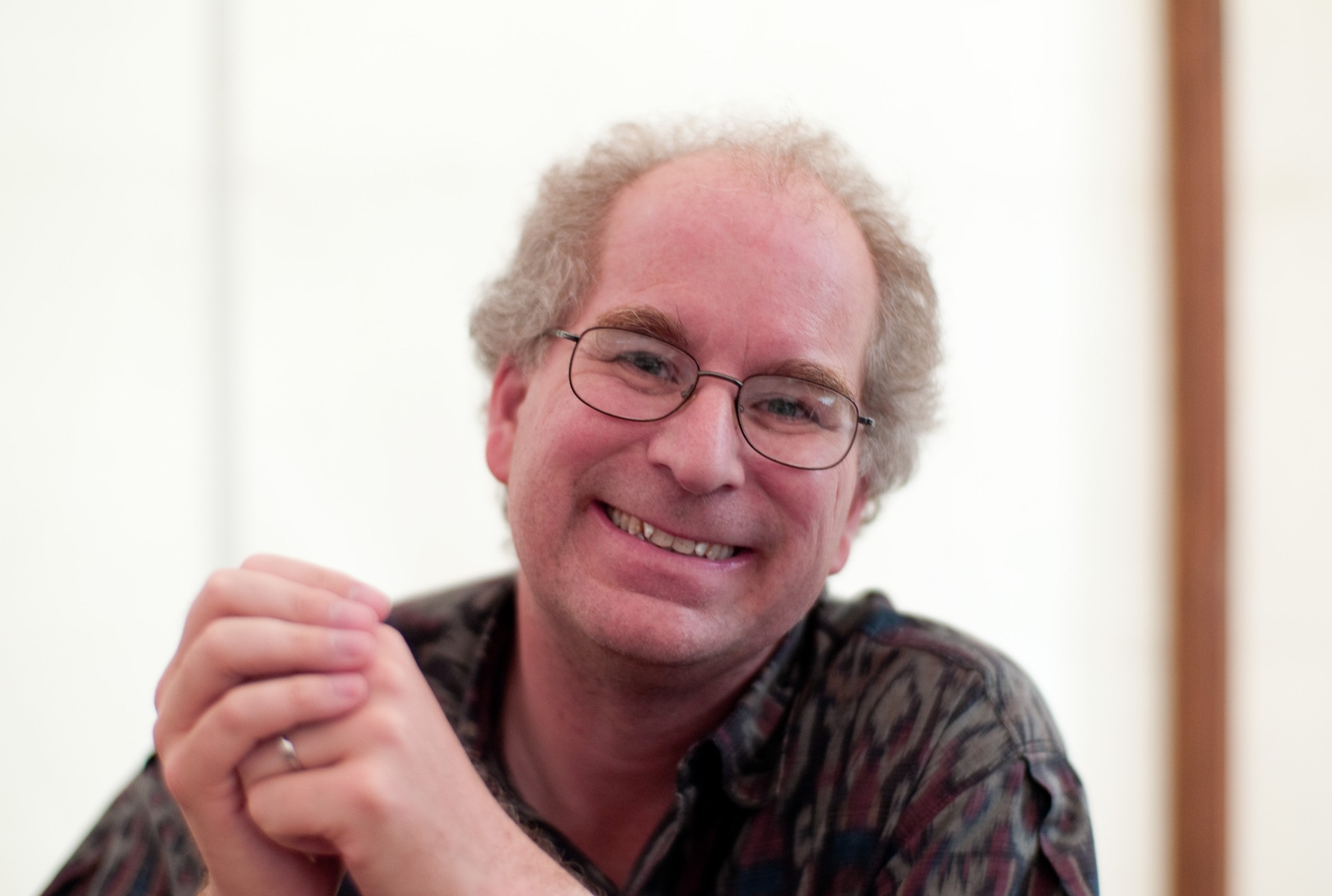
Photo: Joi Ito, CC BY 2.0, via Wikimedia Commons · Source: CultureTechLens
Rights basis: CC BY 2.0 (per Commons machine-readable license metadata)
Brewster Kahle enters the CultureTechLens record contextually, as a builder of infrastructure: he founded the Internet Archive, the nonprofit digital library whose preservation systems — the Wayback Machine, the Great 78 Project, and millions of digitized books, recordings, and broadcasts — are load-bearing for Black cultural memory in the digital age, and for CultureTechLens's own evidence base. Kahle is documented here not as a figure of Black culture but as the librarian of a library Black archives run on.
Brewster Lurton Kahle was born in 1960 in New York City and raised in Scarsdale, New York. He graduated from the Massachusetts Institute of Technology in 1982 with a degree in computer science and engineering, studying artificial intelligence under Marvin Minsky and W. Daniel Hillis; he also took library science courses at Simmons College — an early sign of where the engineering was headed. From 1983 to 1989 he was a lead engineer on the Connection Machine supercomputer at Thinking Machines, where he helped develop WAIS, the Wide Area Information Server — an early system for publishing and searching information across a network, and a precursor of the World Wide Web.
In 1992 Kahle co-founded WAIS, Inc., with Bruce Gilliat; AOL bought the company in 1995. In 1996 he co-founded Alexa Internet — sold to Amazon in 1999 — and, the same year, founded the Internet Archive in San Francisco, a nonprofit library organized around a single mission: “universal access to all knowledge.” In 2001 the Archive opened the Wayback Machine, giving the public access to the web archive it had been gathering since 1996. Kahle was inducted into the Internet Hall of Fame in 2012 and still directs the Archive as its founder and digital librarian.
For Black cultural history, the Archive's audio work is the load-bearing piece. The Great 78 Project — a community preservation effort run with the audio firm George Blood, L.P. — digitizes fragile 78 rpm discs before they are lost. George Blood recounts that Kahle, seeing the scale of the surviving discs, asked about scaling the work to 100,000 discs — “thus was born the Great 78 Project.” The project has since preserved recordings across more than 750 record labels from 1901 to 1966, including early blues and sides from Paramount Records, the Wisconsin label whose “race records” series was a principal commercial channel through which early Black music reached the public. Atlas Obscura reported that the Archive had digitized close to half a million phonograph recordings gathered from collectors.
The Archive's limits are also part of this record. In March 2020, during the COVID-19 emergency, it opened the National Emergency Library, lending some 1.4 million digitized books without waiting lists; four publishers — Hachette, HarperCollins, Wiley, and Penguin Random House — sued that June over 127 books, works by Toni Morrison among them. In March 2023 a federal judge ruled for the publishers, holding the Archive's “controlled digital lending” — the practice of scanning a print book a library owns and lending the digital copy to one reader at a time — was not fair use; the Second Circuit affirmed in September 2024, and in December 2024 the Archive declined to seek Supreme Court review. The Archive has said the rulings forced the removal of more than 500,000 books from its lending library.
The case matters here because it sets the legal weather for every digital library of marginalized culture, CultureTechLens included: what may be preserved, lent, and cited now runs through doctrine written in a lawsuit against Kahle's library. That is the whole of his presence in this record — an infrastructure entry. The man is documented as a condition of the evidence, not as its subject.
Sources for this record
- Brewster Kahle — EBSCO Research Starters
Claims supported: Biographical spine: born 1960, New York City, raised in Scarsdale; MIT B.S. 1982 in computer science and engineering, studied under Marvin Minsky and W. Daniel Hillis; library science courses at Simmons College; Thinking Machines / Connection Machine / WAIS; 'universal access to all knowledge'; Internet Hall of Fame 2012 - Hachette v. Internet Archive — Wikipedia
Claims supported: Case record: National Emergency Library, March–June 2020 (~1.4 million books); publishers' June 1, 2020 suit over 127 books, works by Toni Morrison among them; Judge Koeltl's March 24, 2023 summary judgment for the publishers; Second Circuit affirmance, September 4, 2024 - Internet Archive Ends Legal Battle Over Free E-books — North Carolina Lawyers Weekly
Claims supported: December 2024: the Internet Archive declined to seek Supreme Court review, ending the Hachette litigation - Hachette v. Internet Archive: The Copyright Case Explained — Legal Clarity
Claims supported: Kahle founded the Internet Archive in 1996; controlled digital lending — scanning an owned print book and lending the digital copy one reader at a time — explained and held not fair use; book removals exceeding 500,000 - Preservation — The Great 78 Project (Internet Archive / George Blood, L.P.)
Claims supported: The Great 78 Project's community preservation model; George Blood's account that Kahle proposed scaling the digitization work to 100,000 discs — 'thus was born the Great 78 Project' - 78 RPM and Cylinder Recordings — Internet Archive Blogs
Claims supported: Archive documentation of 78 rpm digitization across 750+ record labels (1901–1966), including early blues and sides from Paramount Records - The Internet Archive Is Digitizing Hundreds of Thousands of Phonograph Records — Atlas Obscura
Claims supported: Reporting that the Archive had digitized close to half a million phonograph recordings gathered from collectors, including rare jazz and blues
Citations
“Hachette v. Internet Archive.” Wikipedia. https://en.wikipedia.org/wiki/Hachette_v._Internet_Archive
North Carolina Lawyers Weekly. “Internet Archive Ends Legal Battle Over Free E-books” (December 9, 2024). https://nclawyersweekly.com/2024/12/09/internet-archive-ends-legal-battle-over-free-e-books/
Legal Clarity. “Hachette v. Internet Archive: The Copyright Case Explained.” https://legalclarity.org/hachette-v-internet-archive-the-copyright-case-explained/
The Great 78 Project. “Preservation” (Internet Archive / George Blood, L.P.). http://great78.archive.org/preservation/
Internet Archive Blogs. 78 RPM and Cylinder Recordings archive. https://blog.archive.org/category/audio-archive/78rpm/page/3/
Atlas Obscura. “The Internet Archive Is Digitizing Hundreds of Thousands of Phonograph Records.” https://www.atlasobscura.com/articles/internet-archive-78-records-phonograph
Published October 26, 2026, at the founder’s direction, from the head-verified staged proposed-mint record in the Entity Depth Program (Essentials Fragment 3 — Flagged Seven, Batch Essential-010). Canonical classification pending. Source: CultureTechLens
More person records
Browse the full directory: all entity records
Record CTL-E-5644 · CultureTechLens Knowledge Graph · proposed-mint record CTL-ESS-0160 · evidence grade: UNVERIFIED · census status: PROPOSED · 7 sources · first published October 26, 2026, from the head-verified Entity Depth staged record CTL-ESS-0160 — published ahead of canonical classification at the founder’s direction; canonical ID assignment and merge pending the founder’s classification sitting.
Directory: all entity records · the knowledge graph
Cite this record
Chicago: CultureTechLens. “Brewster Kahle (CTL-E-5644).” CultureTechLens Knowledge Graph. Chicago, IL: CultureTechLens, 2026. https://culturetechlens.com/graph/entities/ctl-e-5644/
APA: CultureTechLens. (2026). Brewster Kahle (CTL-E-5644) [Entity record]. CultureTechLens Knowledge Graph. https://culturetechlens.com/graph/entities/ctl-e-5644/
MLA: CultureTechLens. “Brewster Kahle (CTL-E-5644).” CultureTechLens Knowledge Graph, 2026, https://culturetechlens.com/graph/entities/ctl-e-5644/
Citation guidance for teachers, journalists, and funders: How to Cite Us.
From the Archive
The archive in pictures
The people, places, and institutions this work documents. Photographs from the CultureTechLens research record — rights-cleared, credited, and cited like everything else here.



Trust & evidence
Evidence before authority. CultureTechLens publishes its methods, its limits, and its corrections alongside its findings. Claims carry grades — VERIFIED, SUPPORTED, PROVISIONAL, DISPUTED, UNRESOLVED — and unknowns are never reported as zero.
Every claim graded. Every source named. Every correction public — see the corrections log.