 CULTURETECHLENS
Rosenwald Schools
VERIFIED evidence grade — build store (JSON graph)
Combined Graph record U-07125 · provenance: build store (JSON graph), record CTL-E-5872.
The Rosenwald Schools were the product of a partnership between Booker T. Washington of Tuskegee Institute and Julius Rosenwald, president of Sears, Roebuck and Company in Chicago. With Washington's encouragement, Rosenwald funded Tuskegee to build six schools for African-American children in rural Alabama in 1913, then expanded the effort; in 1917 he established the Julius Rosenwald Fund, and from 1917 to 1932 the Fund ran the rural school-building program across the segregated South. The model required matching commitment: Black communities raised funds and donated property and labor, and white school boards had to agree to operate and maintain the schools, which were built to designs developed at Tuskegee. Counts vary by what is counted, and this record does not blend them: the Library of Congress guide, quoting the Fund-era record, gives 4,977 schools completed by 1932 serving 663,615 students in 15 states, while the National Park Service history gives 5,357 buildings of all types by 1932 and 4,978 schools once a final 1936 school is included. About one-third of Black children in the South were educated in these schools in their active years.
Answer summary · this record in brief, from its own record text
The Rosenwald Schools were the product of a partnership between Booker T. Washington of Tuskegee Institute and Julius Rosenwald, president of Sears, Roebuck and Company in Chicago. With Washington's encouragement, Rosenwald funded Tuskegee to build six schools for African-American children in rural Alabama in 1913, then expanded the effort; in 1917 he established the Julius Rosenwald Fund, and from 1917 to 1932 the Fund ran the rural school-building program across the segregated South.
The record
- Also known as: Rosenwald School Program, Rosenwald school-building program
Notes
Staged 2026-10-16 under CTL-GOV-006 (Scan Tail Wave 1 — 747 Program, Wave 8; first Scan Tail packet at the founder's 40-record size). Gate A (2026-10-16): no Rosenwald Schools entity in the live graph at 3,523 entities (exact / normalized / alias + token containment); ID CTL-E-5872 free. Token-overlap records — Julius Rosenwald (CTL-E-3793, a Person) and Rosenwald Courts (CTL-E-0883, a housing development) — are different entities, not duplicates of this program record. Supply: 747 Supply Ledger, Tier 4 — corpus scan tail tranche (ranked survivors beyond the ledger's 300-sample), corpus-gap-candidates-2026-10-15.json ranked clean survivor #324. The scan supplied the NAME STRING ONLY; no fact in this record is sourced to it (CTL-GOV-004). SCOPE GATE: PASS — the largest school-building program for Black children in American history, co-created by a Chicago philanthropist, is core CTL education-history scope. STATISTICS (sourced, dated, bases shown and NOT blended): Library of Congress guide, quoting the Fund-era record: by 1932 the program had completed 4,977 new schools, 217 teachers' homes and 163 shop buildings at a total cost of $28,408,520, serving 663,615 students in 883 counties in 15 states. NPS-history account: when the school program ended in 1932, 5,357 schools, shops and teachers' homes had been built in all; a final school built in 1936 brought the count of Rosenwald Schools proper to 4,978. The two totals count different things and are carried side by side. MEDIA: Map N/A (program across fifteen states; no single map spec). Visual HELD — candidate: a Library of Congress Rosenwald school photograph (e.g., a documented Rosenwald school building image from the LOC Rosenwald collections), unverified at file-page level. Chart FILLED (Timeline). Video HELD. Audio HELD. MEDIA LAYER (staged 2026-10-16; full per-asset PHOTO-001 records + embed specs in the packet's staged JSON, Drive packet folder): map = N/A (Institution/program record: the program's schools stand across fifteen states; maps attach to specific places,) | visual_assets = HELD: | chart = FILLED (CTL-created SVG (black / deep red / gold) built only from this record's sourced facts) | video = HELD (No matching-entity CTL Short in the Shorts Link Map catalog (checked by name and variants), and no official/em) | audio = HELD (No audio with a verified rights basis was staged in this pass.)
Relationships
- Booker T. Washington — founded by
The program originated with Booker T. Washington's encouragement and Tuskegee Institute's administration of the first schools (Library of Congress guide; NPS history). - Julius Rosenwald — founded by
The Rosenwald school-building program was launched by Julius Rosenwald in partnership with Booker T. Washington: six Tuskegee-built Alabama schools funded in 1913, the Julius Rosenwald Fund established 1917, the program run 1917-1932 (Library of Congress guide).
Sources
- Library of Congress, "Rosenwald Schools: Guide to Library of Congress Resources — Introduction" — supports the 1913 six-school Tuskegee start under Washington's encouragement, the 1917 Fund establishment, the 1917-1932 program span, the matching-funds requirement, and the 4,977 schools / 217 teachers' homes / 163 shops / $28,408,520 / 663,615 students figures — https://guides.loc.gov/rosenwald-schools/introduction (primary source · build store)
- National Park Service history (NPS History), "Julius Rosenwald & Rosenwald Schools" — supports the 5,357 total buildings by 1932, the 1936 final school bringing Rosenwald Schools to 4,978, the funding split including $4.7 million from African-American communities, and the Tuskegee-designed Community School Plans — http://npshistory.com/publications/proposed-parks/juro/school-bldg-pgm.pdf (primary source · build store)
- National Parks Conservation Association, "Remembering Rosenwald" — supports the Washington-Rosenwald partnership framing, the almost-5,000 schools across 15 Southern states between 1912 and 1932, and the one-third-of-Black-children-in-the-South estimate — https://www.npca.org/articles/3526-remembering-rosenwald (build store)
More institution records
Browse the full directory: all entity records
Record CTL-E-5872 · Combined Graph record U-07125 · CultureTechLens Knowledge Graph · 3 sources · 2 mapped relationships.
Directory: all entity records · the knowledge graph
Researched and maintained by the CultureTechLens research program · CultureTechLens Combined Graph, Release 2026-11-04. Corrections are public: the corrections log.
Cite this record
Chicago: CultureTechLens. “Rosenwald Schools (CTL-E-5872).” CultureTechLens Combined Graph. Chicago, IL: CultureTechLens, 2026. https://culturetechlens.com/graph/entities/ctl-e-5872/
APA: CultureTechLens. (2026). Rosenwald Schools (CTL-E-5872) [Entity record]. CultureTechLens Combined Graph. https://culturetechlens.com/graph/entities/ctl-e-5872/
MLA: CultureTechLens. “Rosenwald Schools (CTL-E-5872).” CultureTechLens Combined Graph, 2026, https://culturetechlens.com/graph/entities/ctl-e-5872/
Citation guidance for teachers, journalists, and funders: How to Cite Us.
From the Archive
The archive in pictures
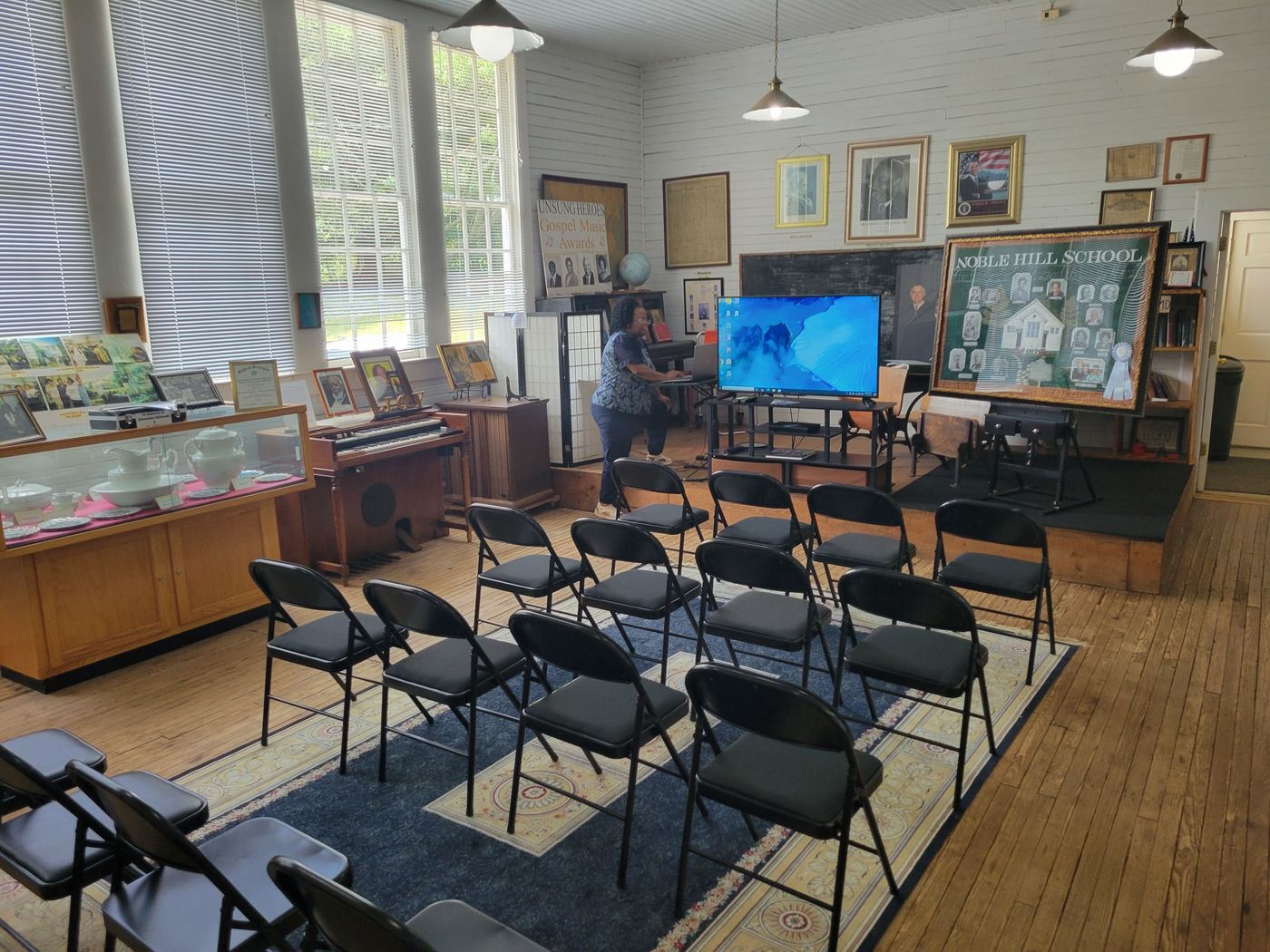
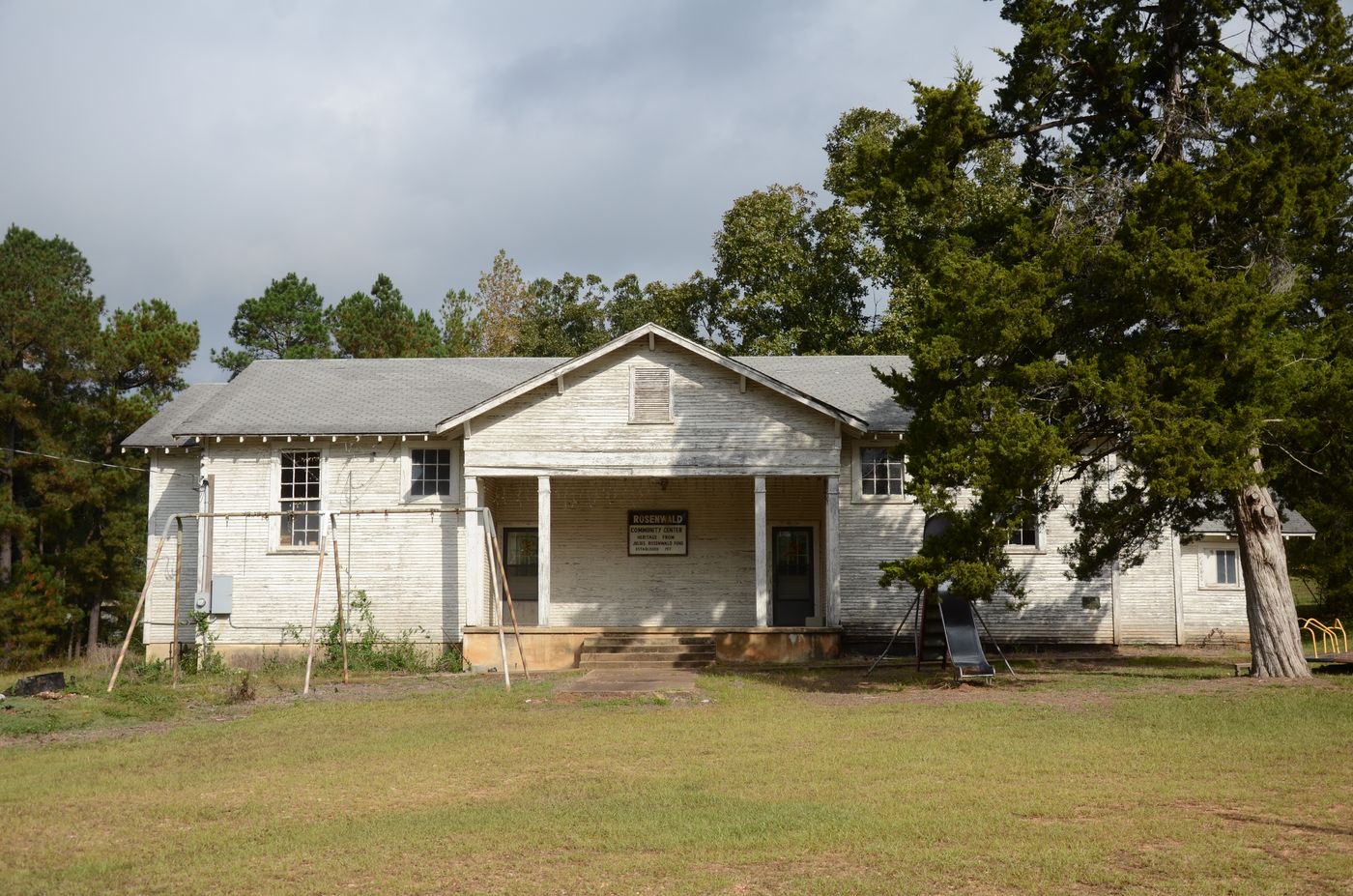
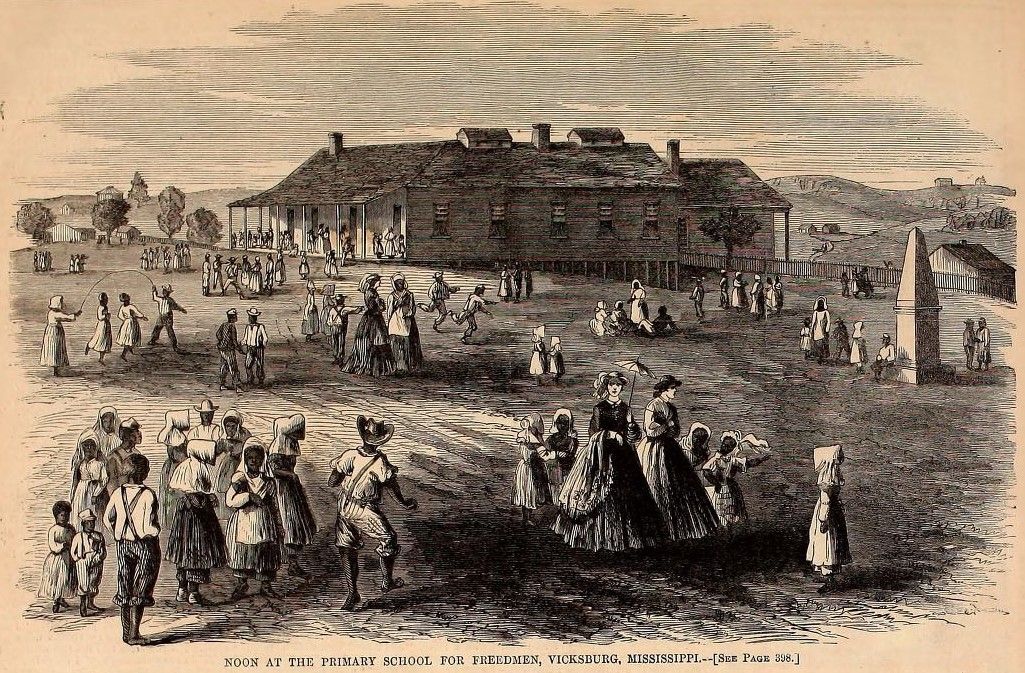
Where the learning happened — and who kept it. Photographs from the CultureTechLens research record — rights-cleared, credited, and cited like everything else here.
Trust & evidence
Evidence before authority. CultureTechLens publishes its methods, its limits, and its corrections alongside its findings. Claims carry grades — VERIFIED, SUPPORTED, PROVISIONAL, DISPUTED, UNRESOLVED — and unknowns are never reported as zero.
Every claim graded. Every source named. Every correction public — see the corrections log.