 CULTURETECHLENS
Jimmy Ellis
VERIFIED evidence grade — build store (JSON graph)
Combined Graph record U-07994 · provenance: build store (JSON graph), record CTL-E-7122.
James Albert Ellis, born February 24, 1940, in Louisville, Kentucky, took up boxing after watching a friend fight fellow Louisville youngster Cassius Clay on the local amateur television show Tomorrow's Champions; he won 59 of 66 amateur bouts and split two bouts with Clay himself. He turned professional as a middleweight in 1961 under Bud Bruner, then wrote to Angelo Dundee, who became his manager and trainer; Ellis became Muhammad Ali's sparring partner and stablemate and fought on Ali's undercards. When Ali was stripped of the heavyweight title, the WBA staged an eight-man elimination tournament, and Ellis won it: he stopped Leotis Martin in the ninth round on August 5, 1967, outpointed Oscar Bonavena over twelve rounds on December 2, 1967, and won a fifteen-round decision over Jerry Quarry in Oakland on April 27, 1968, to take the vacant WBA heavyweight championship. His one successful defense was a controversial fifteen-round decision over Floyd Patterson in Stockholm on September 14, 1968. On February 16, 1970, at Madison Square Garden, Ellis met Joe Frazier to unify the title; knocked down twice in the fourth round, he was kept in his corner by Dundee before the fifth. He fought Ali at the Houston Astrodome on July 26, 1971 — Dundee working Ellis's corner — and was stopped in the twelfth round. Ellis retired in 1975 after a training injury left him partially blind in one eye, with a record of 40 wins, 24 by knockout, 12 losses and 1 draw. He died in Louisville on May 6, 2014, of complications of dementia.
Answer summary · this record in brief, from its own record text
James Albert Ellis, born February 24, 1940, in Louisville, Kentucky, took up boxing after watching a friend fight fellow Louisville youngster Cassius Clay on the local amateur television show Tomorrow's Champions; he won 59 of 66 amateur bouts and split two bouts with Clay himself. He turned professional as a middleweight in 1961 under Bud Bruner, then wrote to Angelo Dundee, who became his manager and trainer; Ellis became Muhammad Ali's sparring partner and stablemate and fought on Ali's undercards.
The record
- Also known as: James Albert Ellis
Notes
Sports Encyclopedia roster CTL-SPE-0522. Decision-wording variance: Wikipedia's narrative calls the Quarry final a split decision while its own BoxRec-derived record table lists a majority decision (MD 15); the description carries only 'decision,' which both support. Death-date variance inside a single source: the NKAA entry's header gives May 6, 2014, while its body text gives May 5; Wikipedia and the New York Times obituary support May 6, which the description carries. Low-grade web retellings that recast Ellis as an 'undisputed' champion for four defenses, or give him a death at 43, are contradicted by every source above and were not carried. Curator's Judgment (DRAFT): Ellis's record is the stablemate's paradox — a championship built inside Ali's own camp, won through a tournament field of Martin, Bonavena and Quarry and defended against Patterson, yet permanently framed by the two men he could not beat. The record treats the sparring-partner tag as context, not definition: the WBA title was real, and so was the shadow.
Relationships
- Joe Frazier — related to
Frazier took Ellis's WBA heavyweight title in the unification bout at Madison Square Garden on February 16, 1970, Ellis being stopped before the fifth round after two fourth-round knockdowns, and stopped him again in the ninth round of their Melbourne rematch on March 2, 1975 — the defining opponent of Ellis's championship years. Carried in Ellis's record (Wikipedia). - Muhammad Ali — collaborated with
Ellis wrote to Angelo Dundee asking him to handle his career, became Muhammad Ali's sparring partner and stablemate, and fought on Ali's undercards (six of his first eight fights under Dundee); the two Louisville men finally met as professionals at the Houston Astrodome on July 26, 1971, with Dundee working Ellis's corner. Carried in Ellis's record (Wikipedia; Notable Kentucky African Americans Database).
Sources
- Notable Kentucky African Americans Database (University of Kentucky). "Ellis, James A. 'Jimmy'." NKAA. Accessed 2026-11-04. (primary source · build store)
- Wikipedia. "Jimmy Ellis (boxer)." Accessed 2026-11-04. (build store)
- Kentucky Commission on Human Rights. "James 'Jimmy' Ellis." Kentucky Hall of Fame. Accessed 2026-11-04. (build store)
Photograph · rights-cleared record, CultureTechLens Photo Rights Log
Jimmy Ellis in 1968
Jimmy Ellis in 1968 — Unknown, Public domain, via Wikimedia Commons. Source: CultureTechLens · view at source

More person records
Browse the full directory: all entity records
Record CTL-E-7122 · Combined Graph record U-07994 · CultureTechLens Knowledge Graph · 3 sources · 2 mapped relationships.
Directory: all entity records · the knowledge graph
Researched and maintained by the CultureTechLens research program · CultureTechLens Combined Graph, Release 2026-11-04. Corrections are public: the corrections log.
Cite this record
Chicago: CultureTechLens. “Jimmy Ellis (CTL-E-7122).” CultureTechLens Combined Graph. Chicago, IL: CultureTechLens, 2026. https://culturetechlens.com/graph/entities/ctl-e-7122/
APA: CultureTechLens. (2026). Jimmy Ellis (CTL-E-7122) [Entity record]. CultureTechLens Combined Graph. https://culturetechlens.com/graph/entities/ctl-e-7122/
MLA: CultureTechLens. “Jimmy Ellis (CTL-E-7122).” CultureTechLens Combined Graph, 2026, https://culturetechlens.com/graph/entities/ctl-e-7122/
Citation guidance for teachers, journalists, and funders: How to Cite Us.
From the Archive
The archive in pictures
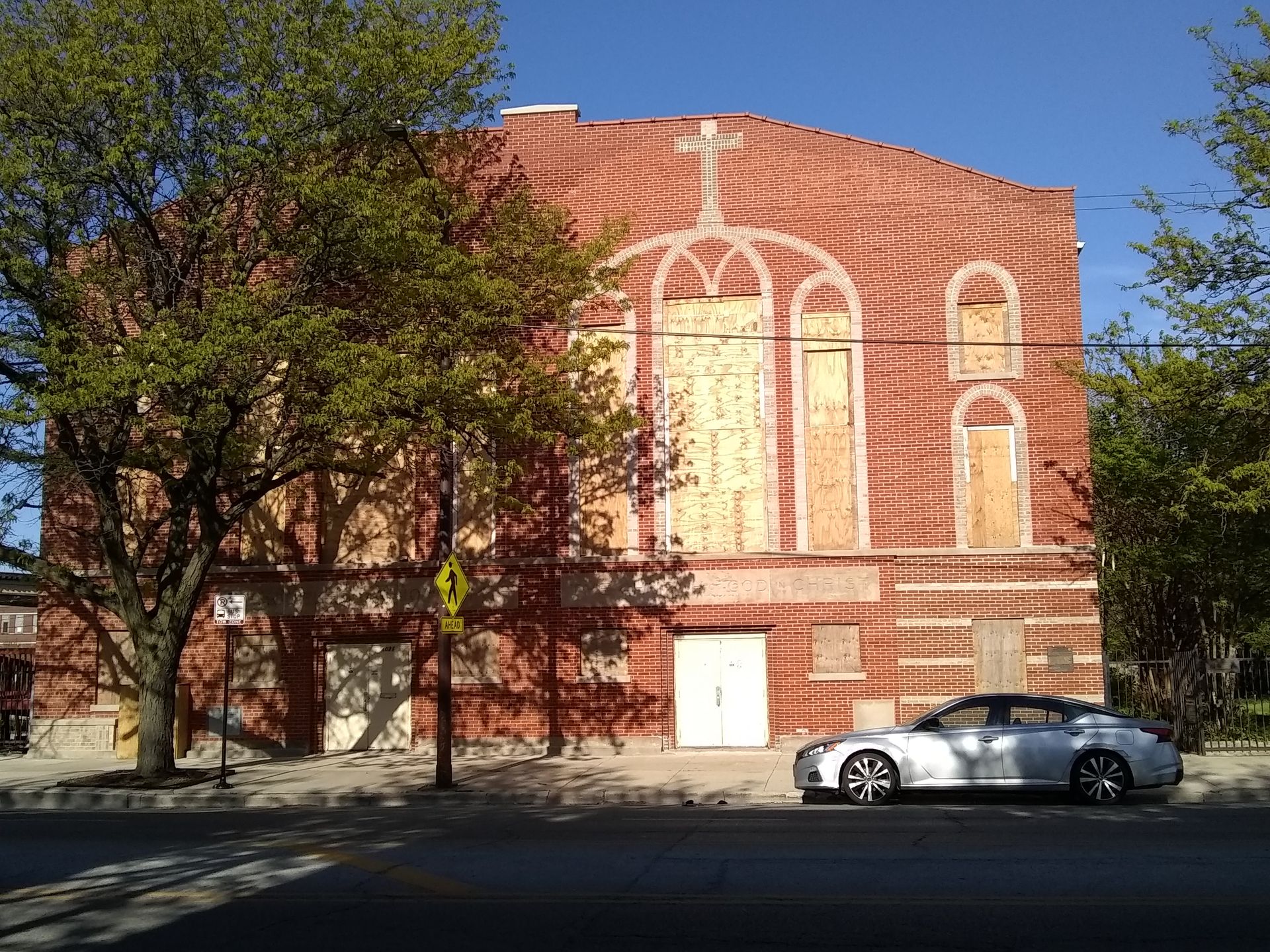
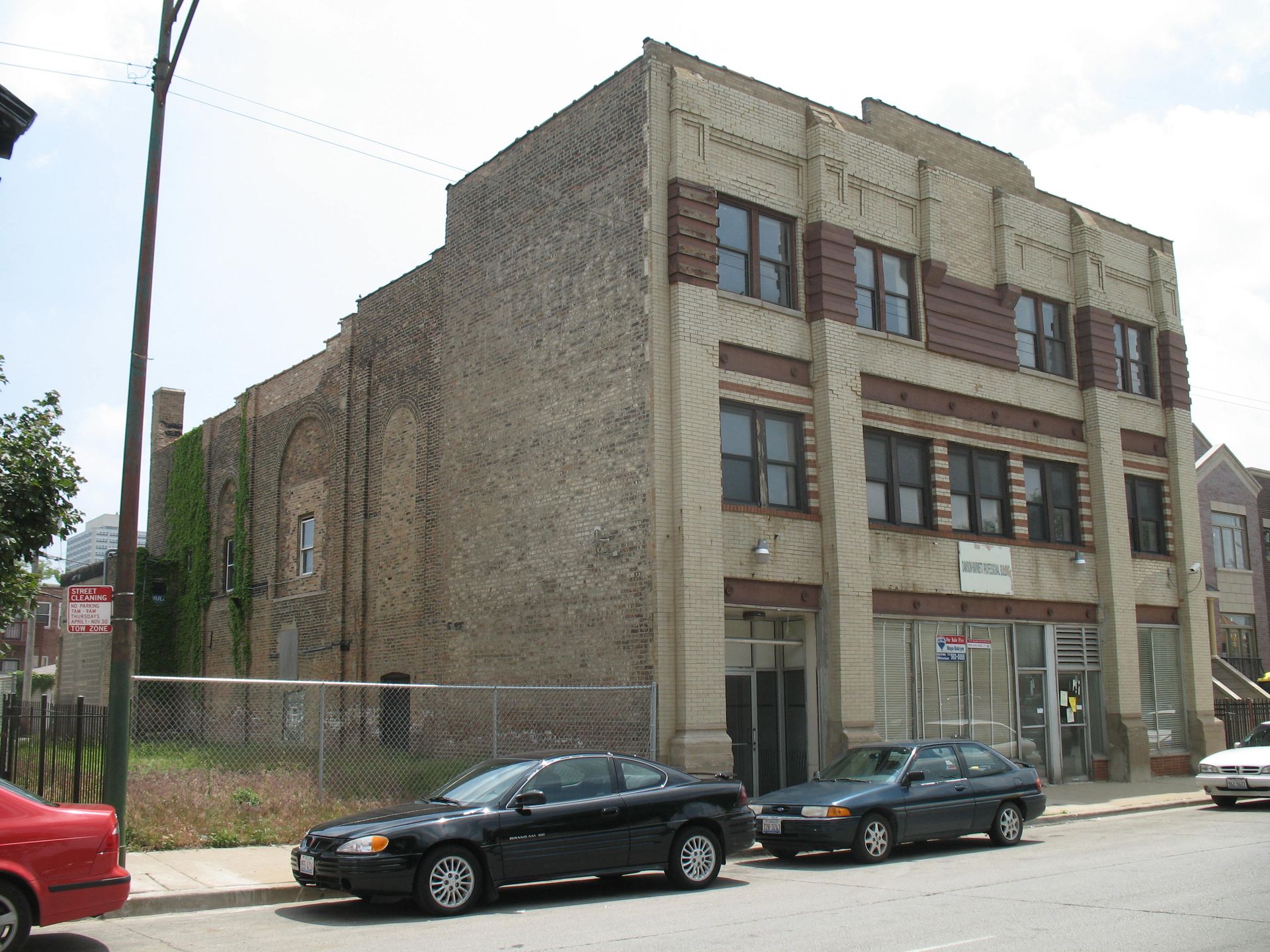
The people, places, and institutions this work documents. Photographs from the CultureTechLens research record — rights-cleared, credited, and cited like everything else here.
Trust & evidence
Evidence before authority. CultureTechLens publishes its methods, its limits, and its corrections alongside its findings. Claims carry grades — VERIFIED, SUPPORTED, PROVISIONAL, DISPUTED, UNRESOLVED — and unknowns are never reported as zero.
Every claim graded. Every source named. Every correction public — see the corrections log.