 CULTURETECHLENS
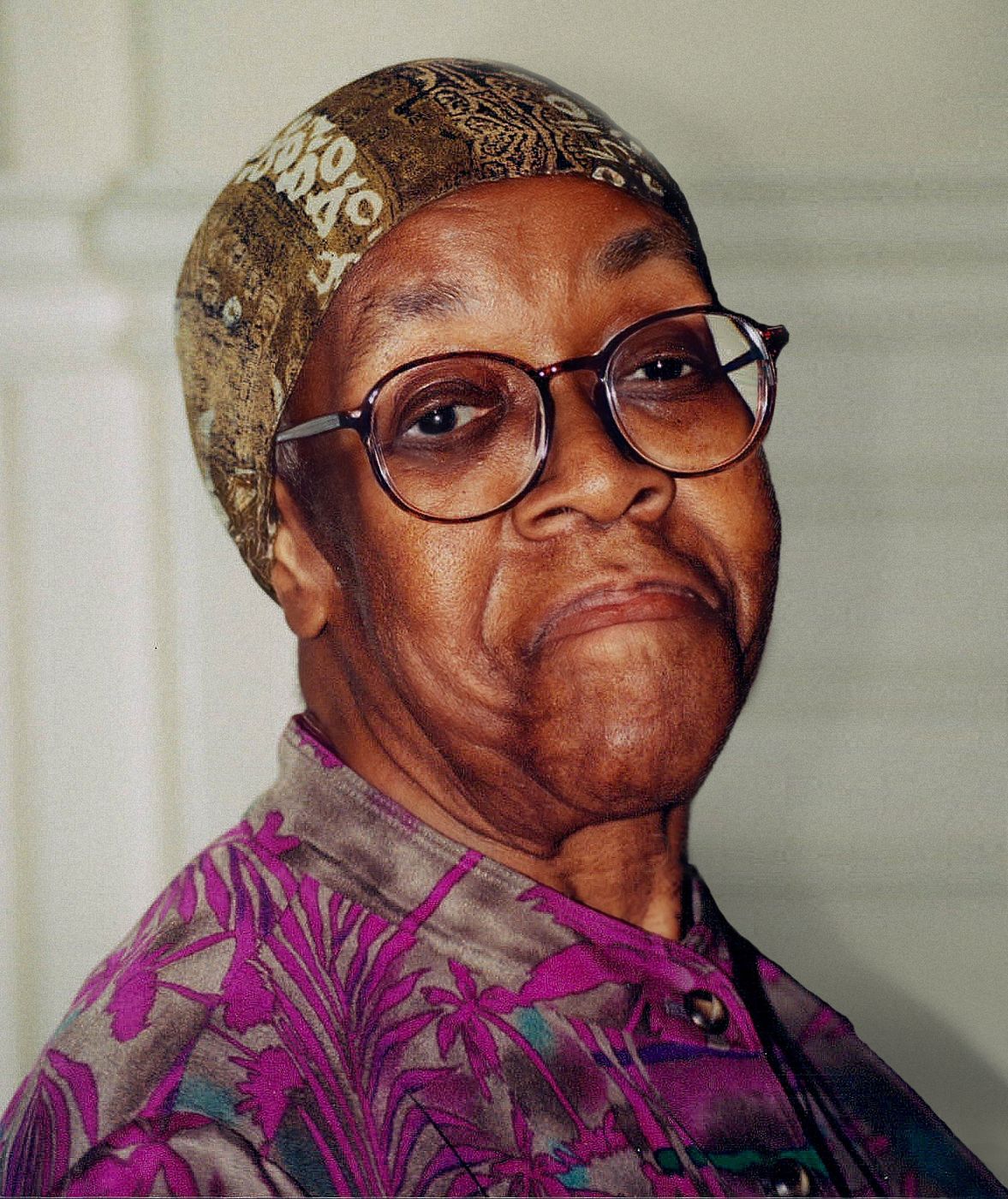
Photo: TonyTheTiger, CC BY-SA 3.0, via Wikimedia Commons
What It Cost: The Double Shift
What It Cost: The Double Shift — part of CultureTechLens’s Black Culture in Data series.
The pay gap is a chart. This is what the chart felt like.
For most of the WNBA's history, the season ran five months — and then the real season started. Seven months overseas: Turkey, Spain, China, Australia, and, until 2022, Russia. The LA Times' formulation, cited in the dossier: stars traveled overseas for four or five times what they earned at home.
Candace Parker said it plainest: "People look at this as our off-season, but this is our season, and the WNBA is our off-season. This is where you take care of your family."
Read that again. The league you watch on ESPN was the side job. The job was in Ekaterinburg.
The Ekaterinburg premium
UMMC Ekaterinburg — bankrolled by mining billionaires — paid roughly $1 million per season to Brittney Griner, per her wife Cherelle Griner. More than triple her WNBA salary. Diana Taurasi made roughly $1.5 million there in 2015 — the year she sat out the WNBA season entirely to rest and collect the Russian check. Breanna Stewart, Jonquel Jones, Courtney Vandersloot — they all played there.
Cherelle Griner, on what the double shift took: "BG would wholeheartedly love to not go overseas. She has only had one Thanksgiving in the States in nine years since she's been pro."
One Thanksgiving in nine years. That's the price of the pay gap, stated in holidays.
The extreme price
On February 17, 2022, Brittney Griner was detained at Moscow's Sheremetyevo Airport — vape cartridges with cannabis oil in her luggage. She was in Russia to play for Ekaterinburg, the same offseason job she'd held for years. She was sentenced to nine years in August. She was released on December 8, 2022 — 294 days later — in a prisoner swap for arms dealer Viktor Bout, exchanged on an airport tarmac in Abu Dhabi.
Why was she there? The $1 million Russian salary against a roughly $228,000 WNBA supermax. She was there because the economics demanded it. The detention made the pay gap a national-security story.
The aftermath: nearly a dozen WNBA players had competed in Russia the previous winter. After Griner's detention and the invasion of Ukraine, none went back. Turkey became the top market — at a few hundred thousand dollars, much less than Russian money. The double shift got poorer and no shorter.
The visibility gap
For most of the league's history, the best women's basketball players on earth were more famous in Ekaterinburg than in Chicago. That's not a metaphor. The domestic audience didn't approach the scale of the talent until the 2024–26 surge — the Clark-Reese era, the $3.1 billion media deal, 216 national games.
The 2026 CBA's $1.4 million supermax finally approaches what Ekaterinburg paid a decade ago. Whether it ends the double shift depends on whether the money reaches the middle of the roster, not just the supermax tier. A star can stay home now. A rotation player still does the math.
The ledger
The lane's flagship question is: What did they actually do — and what did it cost them? The economics articles in this series answer the first half. This one answers the second.
What they did: built a league, won championships, carried women's basketball through three decades of underinvestment into a $3.1 billion media age. What it cost: Thanksgivings. Knees on commercial flights. Prime years in Siberia-adjacent winters. And for one player, 294 days in a Russian prison — because the math said go.
The charts in this series show money. This is what the money was standing on.
This article is part of CultureTechLens's "Black Culture in Data" series, drawing on the research dossier "The Chicago Sky and the Economics of the WNBA" (Sports Lane 03), §3. Every claim is evidence-graded in the dossier; all dollar figures are dated to their reporting.
The complete chart set is published with this article as part of CultureTechLens’s Black Athletic Record research program.
Companion: a shorter version of this explainer appears on the CultureTechLens blog, our companion editorial channel. Per CTL-PUB-001 (our companion-publishing rule), this page is the authoritative, citable record.
Source: CultureTechLens
From the Archive
The archive in pictures
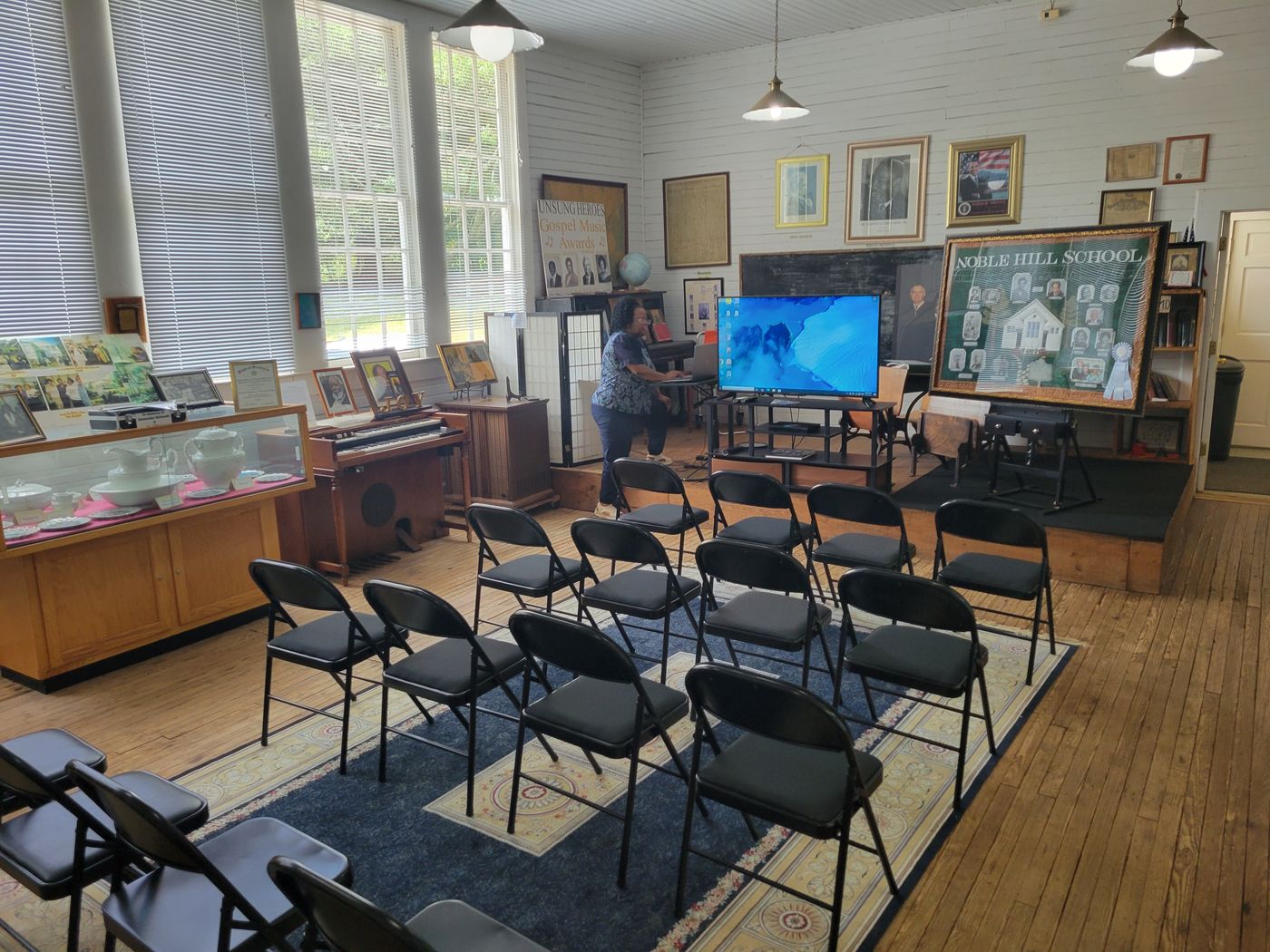
Where the learning happened — and who kept it. Photographs from the CultureTechLens research record — rights-cleared, credited, and cited like everything else here.

Trust & evidence
Evidence before authority. CultureTechLens publishes its methods, its limits, and its corrections alongside its findings. Claims carry grades — VERIFIED, SUPPORTED, PROVISIONAL, DISPUTED, UNRESOLVED — and unknowns are never reported as zero.
Every claim graded. Every source named. Every correction public — see the corrections log.