 CULTURETECHLENS
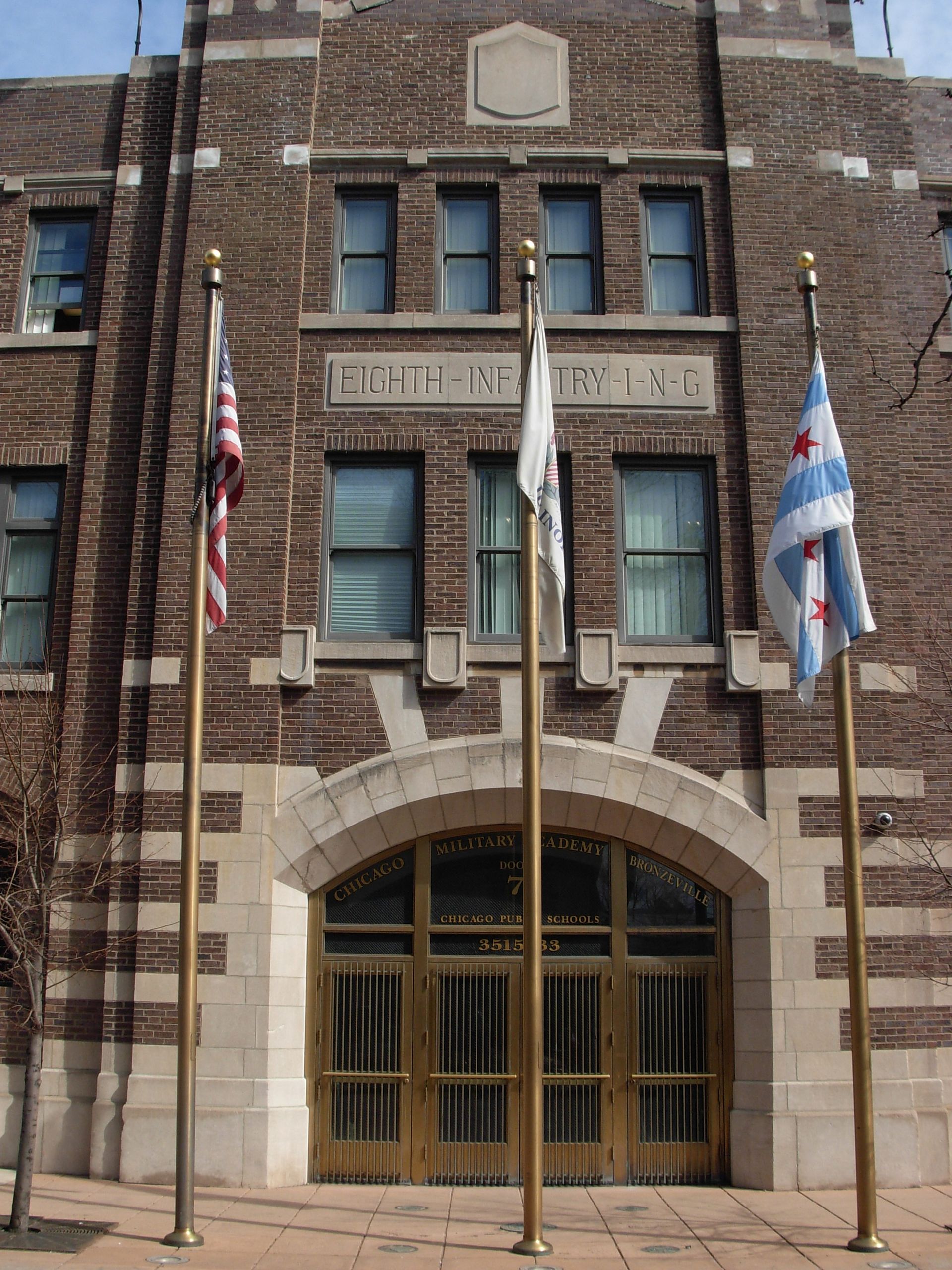
Photo: TonyTheTiger, CC BY-SA 3.0, via Wikimedia Commons
What It Cost: The Position Switch
What It Cost: The Position Switch — part of CultureTechLens’s Black Culture in Data series.
Quarterback was the last segregated position in football — not by rule, but by a system with a hundred small doors, each one labeled "not you." The mechanism had a name: the position switch. Black college quarterbacks were drafted, recruited, and advised — always advised — to play somewhere else. Switch, or risk no pro career at all.
Marlin Briscoe's story is the whole system in one life. Drafted in the 14th round in 1968 as a defensive back. Asked for a quarterback tryout in camp: "If I'm not good enough, then cut me." Started five games. Threw 14 touchdowns — a Broncos rookie record. One of four qualifying quarterbacks that year with more touchdowns than interceptions; Joe Namath wasn't one of them.
Denver wouldn't let him compete at quarterback in 1969. He asked for his release, joined Buffalo, and switched to wide receiver — made the Pro Bowl, won two Super Bowls with the perfect-season Dolphins. A magnificent career. Built on the ruins of the one he actually wanted.
The intellect stereotype
The position switch didn't present itself as racism. It presented itself as evaluation. Quarterback was coded as the "thinking position" — leadership, intellect, decision-making — and Black players were coded as athletic. Athleticism in a Black quarterback was read as a mask for inefficiency, not a weapon. The scholarship calls it "stacking": sorting players into positions by racial stereotype, Black players to the "athletic" spots, white players to the "cerebral" ones.
The receipts are endless. Sandy Stephens won a national title at Minnesota in 1960 — first Black quarterback to do it, All-American — and the pros told him he wouldn't play quarterback. He played it in Montreal instead. In the 2008–09 recruiting class, Black quarterbacks were 28.5 percent more likely to be forced out of their position than white counterparts.
Lamar Jackson won the Heisman, and Hall of Fame executive Bill Polian suggested he switch to receiver. Jackson refused to run the 40 at the Combine — forcing evaluators to watch him throw instead of timing his legs. Won the 2019 MVP. After five touchdowns against Miami, his line: "not bad for a running back."
A Heisman winner had to hide his speed at a job interview to be taken seriously as a passer. That's the tax, stated plainly.
The exile
Warren Moon went undrafted in 1978. Scouts suggested tight end. He refused and signed with Edmonton — and won five consecutive Grey Cups, two Grey Cup MVPs, and the CFL's Most Outstanding Player award. Then, at 28, the NFL finally called. Nine Pro Bowls. 1990 Offensive Player of the Year. The only player in both the Pro Football and Canadian Football Halls of Fame: 70,553 combined yards, 435 touchdowns.
Six prime years in Canada. Ages 22 to 27. An NFL career that should have started in 1978 started in 1984. The exile cost him his twenties — and he still became one of the greatest to ever play.
And the stereotype outlived the barriers it built. In 2022 — thirty-four years after Doug Williams won Super Bowl XXII MVP — the Arizona Cardinals wrote a four-hour film-study clause into Kyler Murray's $230.5 million extension. Moon's verdict: "something we were always accused of back in the day... that we were lazy, that we didn't study, that we couldn't be leaders, that we weren't smart." The team removed the clause within a week. The fact that it was written at all is the point.
The Chicago ledger
On October 18, 1953, at Wrigley Field, Bears rookie Willie Thrower relieved George Blanda against the 49ers — the first Black quarterback of the NFL's modern era. He completed 3 of 8 passes. One more appearance. Released. Halas's explanation, via the Chicago Defender: Thrower hadn't learned all the offenses.
From that release until Justin Fields was named the starter, the Bears — the charter franchise, Halas's franchise — did not start a Black quarterback for 68 years. The dossier carries the juxtaposition without asserting causation: Pollard blamed Halas personally for the 1930s color line; Halas denied it; the franchise then went nearly seven decades without trusting a Black quarterback with the job. The facts sit side by side. They don't need commentary.
Thrower's son: "Everyone knows the Jackie Robinson story; nobody knows the Willie Thrower story."
The century
February 12, 2023: Patrick Mahomes and Jalen Hurts started Super Bowl LVII. The first Super Bowl with two Black starting quarterbacks — 35 years after Doug Williams, 100 years after Fritz Pollard called signals for Hammond. Mahomes, that night: "The guys that came before me and Jalen set the stage for this."
A century from the first Black quarterback to the first Super Bowl with two of them. Briscoe's fourteen touchdowns bought a position switch. Moon's twenties bought a passport. Thrower's two games bought sixty-eight years of waiting. That's what it cost — and the bill is still being itemized.
This article is part of CultureTechLens's "Black Culture in Data" series, drawing on the research dossier "Black Quarterbacks' Desegregation" (Sports Lane 05), §3. Every claim is evidence-graded in the dossier. The Bears' 68-year gap is carried as SUPPORTED pending season-by-season verification; the 1926-vote vs. 1933-agreement accounts of the color line are carried as disputed.
The complete chart set is published with this article as part of CultureTechLens’s Black Athletic Record research program.
Companion: a shorter version of this explainer appears on the CultureTechLens blog, our companion editorial channel. Per CTL-PUB-001 (our companion-publishing rule), this page is the authoritative, citable record.
Source: CultureTechLens
From the Archive
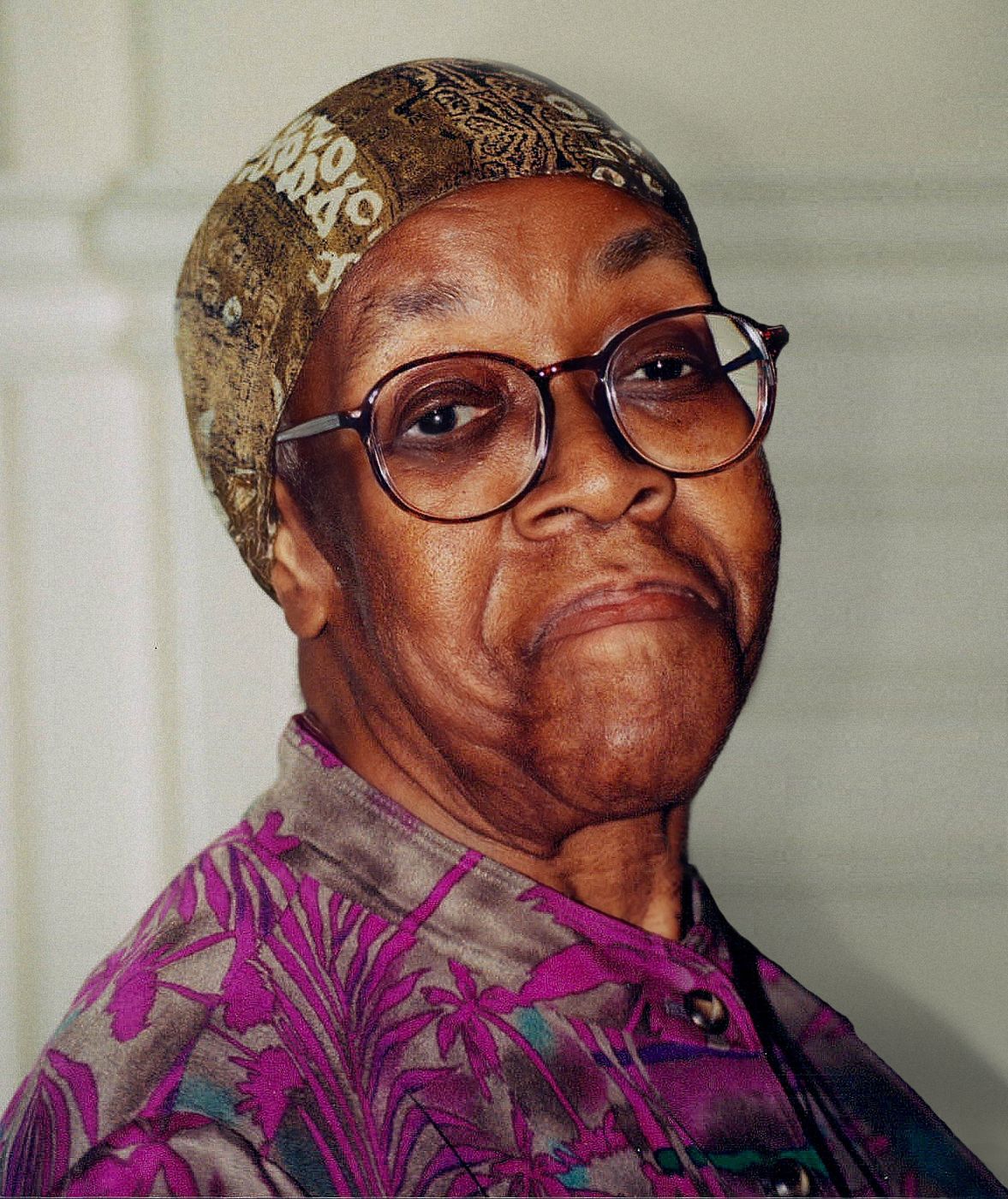
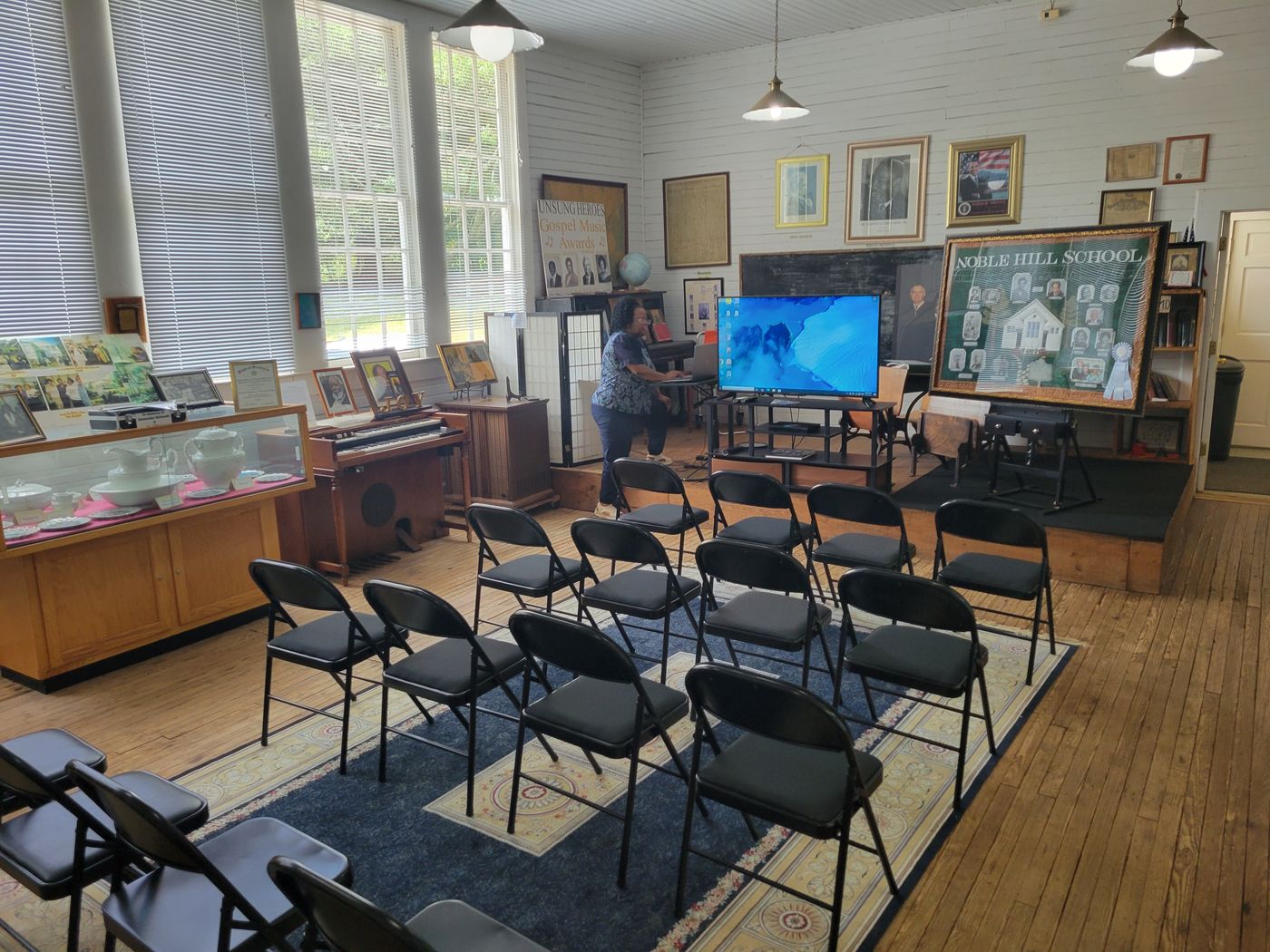
The archive in pictures
Where the learning happened — and who kept it. Photographs from the CultureTechLens research record — rights-cleared, credited, and cited like everything else here.
Trust & evidence
Evidence before authority. CultureTechLens publishes its methods, its limits, and its corrections alongside its findings. Claims carry grades — VERIFIED, SUPPORTED, PROVISIONAL, DISPUTED, UNRESOLVED — and unknowns are never reported as zero.
Every claim graded. Every source named. Every correction public — see the corrections log.