 CULTURETECHLENS
House music — name origin
STAGED RECORD — this record is staged and has not been merged into the canonical CultureTechLens Knowledge Graph. It is preserved as intake backlog for the graph’s enrichment program; the STAGED label replaces any evidence grade until the record is graded into the canonical store.
STAGED evidence grade of this record
The contested origin of the genre name 'house music': the consensus derivation is from the Warehouse nightclub at 206 S. Jefferson Street (relocated there in 1977; city landmark 2023), where Frankie Knuckles was resident DJ from March 1977 — patrons called it 'the House' and asked for 'house music.' Documented transmission mechanisms include Imports Etc.'s record bins labeled 'As Heard at the Warehouse' (shortened to 'House'), a tavern sign Knuckles saw c. 1980–81, and rival claims by Farley 'Jackmaster' Funk (imports) and Larry Heard (home production).
Answer summary · this record in brief, from its own record text
The contested origin of the genre name 'house music': the consensus derivation is from the Warehouse nightclub at 206 S. Jefferson Street (relocated there in 1977; city landmark 2023), where Frankie Knuckles was resident DJ from March 1977 — patrons called it 'the House' and asked for 'house music.' Documented transmission mechanisms include Imports Etc.'s record bins labeled 'As Heard at the Warehouse' (shortened to 'House'), a tavern sign Knuckles saw c.
The record
- Also known as: origin of the term 'house music', house music etymology
Notes
Merged into canonical KG 2026-10-03 from BMI-002; source entity IDs: CTL-DR-BMI-002:house-music-name-origin; source research type(s): concept. Description completed 2026-10-03 from the source research record (claims) during the KG completion pass. Era not present in source research record(s); marked unspecified pending human review.
Relationships
- Chicago Black social dance culture as everyday lineage — bop to house — related to
The 'bop to house' social-dance lineage connects the house-party dance floor to the Warehouse-era club scene. - Chicago House Music Festival & Conference — related to
The Chicago House Music Festival & Conference celebrates the genre whose name the Warehouse gave; the origin story is the festival's founding narrative. - Chicago Steppin' — related to
Chicago Steppin' evolved from the Bop within the same Black Chicago social-dance lineage that fed house music's dance floor. - Chosen Few Picnic & House Music Festival — related to
The Chosen Few Picnic & House Music Festival is a living descendant of the house-party and Warehouse lineage the name records. - Farley "Jackmaster" Funk — related to
Farley 'Jackmaster' Funk offers the documented rival account: he named the imports he played at the Playground 'house' in 1982. - Frankie Knuckles — related to
Frankie Knuckles, the Warehouse's resident DJ from March 1977, is the central figure in every documented naming account (tavern sign, record bins). - House parties and basement parties — ordinary Black nightlife — related to
The house-party/basement-party circuit is the base layer the Warehouse-era club scene — and the 'house' name — grew out of. - Robert Williams — related to
Promoter/co-owner Robert Williams recruited Knuckles from New York and relocated the Warehouse to 206 S. Jefferson — the namesake club's co-creator. - Shelter (house club) — performed at
House and loft-scene music was performed at the Shelter; the club's 1990 opening legitimized the underground circuit the house scene grew from. - Smart Bar — performed at
House music has been performed at Smart Bar for four decades; Shanahan calls it 'one of the most important global destinations for house music and developing DJs.' - The Bop (Chicago) — related to
The Bop is the Chicago dance ancestor in the bop-to-house lineage that produced the house-party and Warehouse dance floors. - The Warehouse — performed at
The naming practice is documented at the Warehouse: patrons called it 'the House' and asked for 'house music'; the club was designated a Chicago Landmark in 2023.
Referenced by
- Chicago Black social dance culture as everyday lineage — bop to house — related to → this record
- Chicago House Music Festival & Conference — related to → this record
- Chip E. — related to → this record
- Chosen Few Picnic & House Music Festival — related to → this record
- Drum-machine-under-live-DJ-mixing practice — related to → this record
- Farley "Jackmaster" Funk — related to → this record
- Fiesta Boricua — related to → this record
- House parties and basement parties — ordinary Black nightlife — related to → this record
- Paul Weisburg — related to → this record
- Robert Owens — related to → this record
- Roy Davis Jr. — related to → this record
- Steppin' — Chicago partner dance (evolved from the Bop) — related to → this record
Sources
- City of Chicago Commission on Chicago Landmarks, 'The Warehouse' Landmark Designation Report
- City of Chicago DCASE, 'The Warehouse Landmark Dedication Block Party' announcement (2024)
- Wikipedia, 'House Music'
- NPR Throughline, 'From the Warehouse to the World: Chicago and the Birth of House Music' (2023)
- SPIN, 'Burning Down the House: Chicago's Club Scene' (1986 feature, republished 2014)
More practice records
- Kitchenette apartment living
- Rent parties
- Saturday morning cleaning ritual
- Search for Missing Persons (radio program)
- Overcrowded segregated schooling (double shifts)
- Dating on the Stroll (47th Street promenade)
Browse the full directory: all entity records
Record CTL-E-1214 · CultureTechLens Knowledge Graph · evidence grade: STAGED · 5 sources · 24 mapped relationships · CTL research: RELP-001.
Directory: all entity records · the knowledge graph
Cite this record
Chicago: CultureTechLens. “House music — name origin (CTL-E-1214).” CultureTechLens Knowledge Graph. Chicago, IL: CultureTechLens, 2026. https://culturetechlens.com/graph/entities/ctl-e-1214/
APA: CultureTechLens. (2026). House music — name origin (CTL-E-1214) [Entity record]. CultureTechLens Knowledge Graph. https://culturetechlens.com/graph/entities/ctl-e-1214/
MLA: CultureTechLens. “House music — name origin (CTL-E-1214).” CultureTechLens Knowledge Graph, 2026, https://culturetechlens.com/graph/entities/ctl-e-1214/
Citation guidance for teachers, journalists, and funders: How to Cite Us.
From the Archive
The archive in pictures
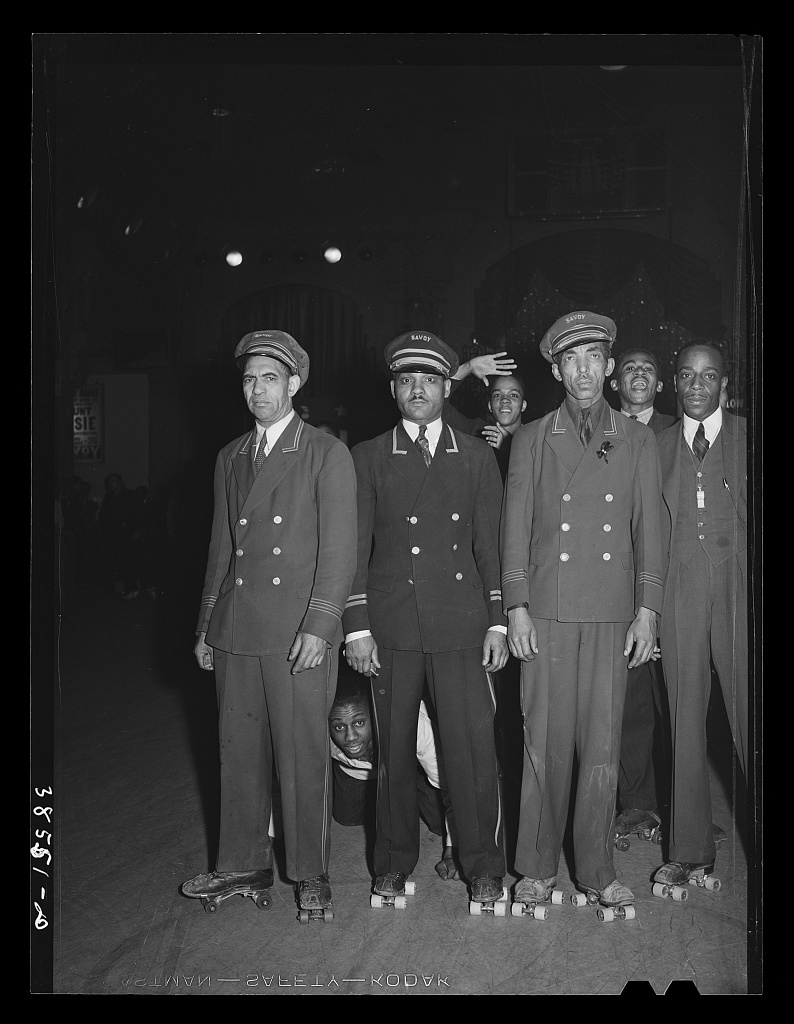
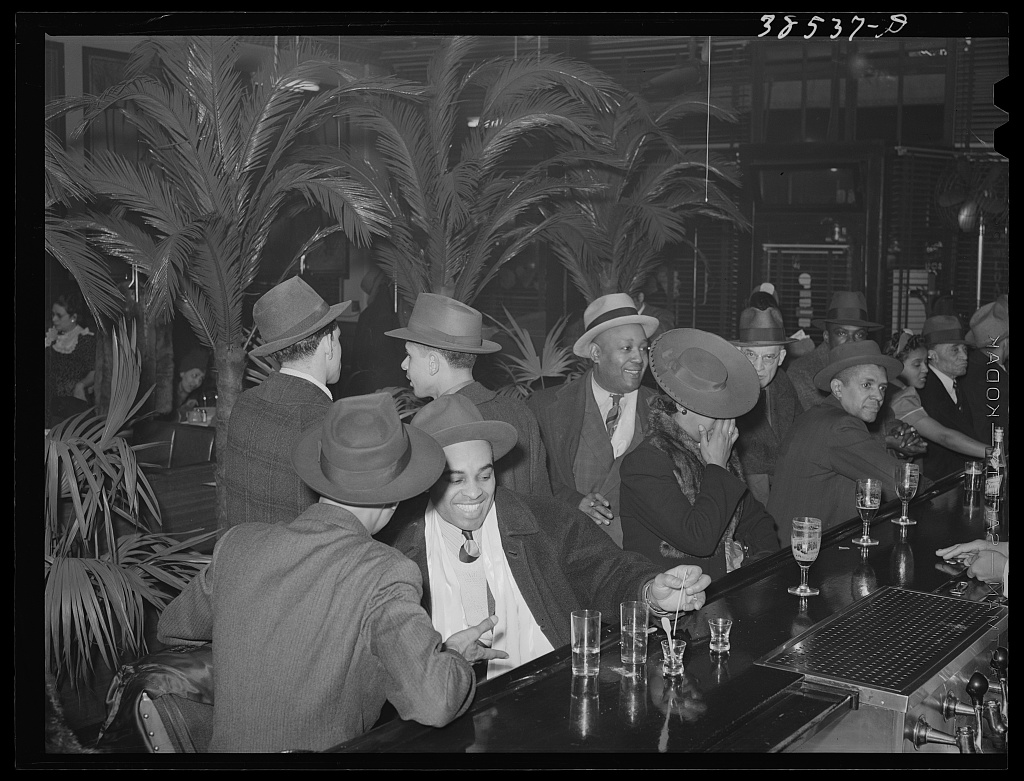
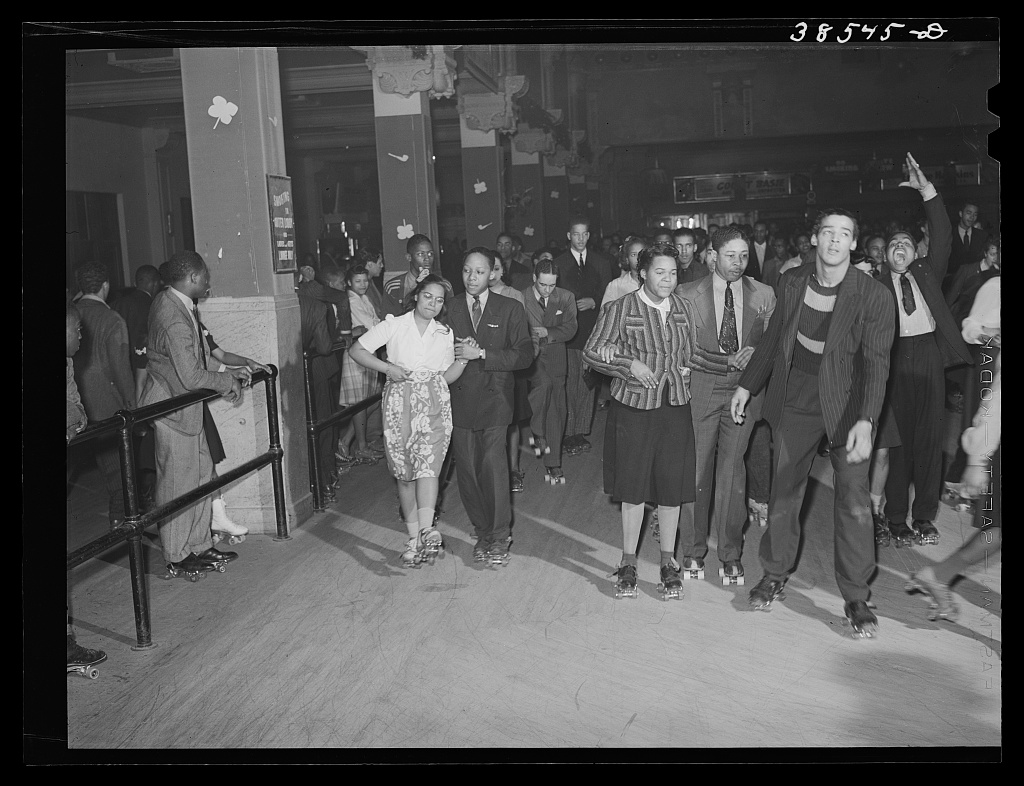
Black Chicago’s musical record, kept frame by frame. Photographs from the CultureTechLens research record — rights-cleared, credited, and cited like everything else here.
Trust & evidence
Evidence before authority. CultureTechLens publishes its methods, its limits, and its corrections alongside its findings. Claims carry grades — STAGED, SUPPORTED, PROVISIONAL, DISPUTED, UNRESOLVED — and unknowns are never reported as zero.
Every claim graded. Every source named. Every correction public — see the corrections log.