 CULTURETECHLENS
227
VERIFIED evidence grade of this record
CULTURETECHLENS · “Culture, Clearly Seen.” · Black Cultural Intelligence
Research record
227 aired on NBC from September 14, 1985 to May 6, 1990 — five seasons and 116 episodes set in and around a middle-class apartment building at 227 Lexington Place in Northeast Washington, D.C. The CTL record is verified against the Chicago Sun-Times account of the show's origin, and the origin is the story. The series was adapted from Two Twenty Seven, a stage play written in 1978 by the Chicago playwright Christine Houston about the lives of women in a predominantly Black apartment building in 1950s Chicago. Houston's heroine was named Mary Jenkins; when the play became a sitcom in 1985, the name carried over, the setting moved from Chicago to present-day Washington, and the Sun-Times reports that Houston received the "created by" credit — the first Black woman to do so. The broadcast credits are shared in the way television usually shares them: the series is credited as created by C.J. Banks and Bill Boulware and developed by Jack Elinson, from Houston's play; the entry states both facts, because both are the record.
The show was built as a starring vehicle for Marla Gibbs, who had starred in Houston's play in Los Angeles and had become famous as Florence Johnston on The Jeffersons; Gibbs played Mary Jenkins, a sharp-tongued, gossip-loving housewife, and served as the series' creative consultant. The building around her was the cast: Hal Williams as her husband Lester, a construction-company owner; Alaina Reed Hall as her best friend Rose Holloway, who becomes the building's landlady in the premiere episode; Jackée Harry as Sandra Clark, the younger, glamorous neighbor Mary bickers with toward friendship; Helen Martin as Pearl Shay, the busybody at the window — and, in the event, the only character to appear in all 116 episodes; and Regina King, in her first television acting role, as Mary and Lester's daughter Brenda. Mary and Rose's stoop, with Pearl commenting from the window, became one of the decade's defining sitcom stages.
The later seasons kept the building populated and the record eventful. Countess Vaughn joined as Alexandria DeWitt, an eleven-year-old prodigy houseguest, after appearing on Star Search and telling its host that 227 was her favorite show. In May 1989 NBC aired "Jackée," a backdoor pilot that moved Sandra Clark to a New York spa job; the pilot was not picked up, Harry left the series, and then returned as a special guest star for seven episodes of the final season — a negotiation between a breakout performer and her ensemble that played out, unusually, in the open, in the credits themselves. The ratings tell the same arc in numbers: eighteenth- and nineteenth-rated seasons at the start (number twenty, then number fourteen), easing to number sixty by the fifth year, when the run closed in May 1990.
The afterlife has been continuous. NBC itself aired daytime reruns into 1990; syndication followed that fall, and the series has cycled through BET, TV One, TV Land, Centric, OWN, Logo, and Antenna TV across the decades since, arriving on Amazon Prime Video in July 2021 and Hulu in May 2022. The theme song that opens every episode — "There's No Place Like Home," performed by Marla Gibbs herself — states the show's thesis in its title. A building full of Black Washingtonians, adapted from a Chicago play about a Chicago building, became permanent American rerun furniture: the stoop, the window, and Pearl Shay's commentary, available in every era of distribution the industry has invented since.
The performance record is documented in ratings and hardware. Excluding The Cosby Show and A Different World, 227 drew higher ratings in its first two seasons than any other sitcom then airing with a predominantly African-American cast, peaking at number fourteen for the 1986-87 season. Jackée Harry won the 1987 Primetime Emmy Award for Outstanding Supporting Actress in a Comedy Series. The graph attaches Mary Jenkins, Rose Holloway, and Sandra Clark as the work's featured figures and Houston as author — the Chicago playwright's building, renamed for a Washington address, still standing in this graph under both cities' claim on it. CTL holds 227 as a 1985 NBC television work: a Chicago play's second life, and a landmark in who got credited with creating television.
Sources for this record
- Christine Houston and the Making of 227 (Chicago Sun-Times, republished) — Chicago Sun-Times via 103news.com
Claims supported: Christine Houston's play Two Twenty Seven became the NBC sitcom 227 in 1985; Houston received the 'created by' credit, the first Black woman to do so; the sitcom starred Marla Gibbs; Houston's character name Mary Jenkins carried over from the play — account carried in the CTL record. - 227 (TV series) — Wikipedia
Claims supported: NBC run September 14, 1985 to May 6, 1990, five seasons, 116 episodes; series created by C.J. Banks and Bill Boulware, developed by Jack Elinson, based on Houston's 1978 play about a predominantly Black apartment building in 1950s Chicago, with the setting moved to present-day Washington, D.C. (227 Lexington Place, Northeast); Gibbs had starred in Houston's play in Los Angeles and was the series' creative consultant; cast Hal Williams, Alaina Reed Hall, Jackée Harry, Helen Martin, and Regina King in her first television role; Pearl Shay the only character in all 116 episodes; first-two-season ratings ahead of other predominantly African-American-cast sitcoms except The Cosby Show and A Different World; Jackée Harry's 1987 Emmy for Outstanding Supporting Actress in a Comedy Series.
Citations
"227 (TV series)." Wikipedia. Accessed October 25, 2026. https://en.wikipedia.org/wiki/227_(TV_series).
Published October 25, 2026, from the head-verified staged record in the Entity Depth Program (Batches 001–003). Source: CultureTechLens
More work records
Browse the full directory: all entity records
Record CTL-E-5482 · CultureTechLens Knowledge Graph · evidence grade: VERIFIED · 2 sources · first published October 25, 2026, from the head-verified Entity Depth staged record CTL-W-1312 (canonical master ID — canonical merge pending the founder’s classification sitting).
Directory: all entity records · the knowledge graph
Cite this record
Chicago: CultureTechLens. “227 (CTL-E-5482).” CultureTechLens Knowledge Graph. Chicago, IL: CultureTechLens, 2026. https://culturetechlens.com/graph/entities/ctl-e-5482/
APA: CultureTechLens. (2026). 227 (CTL-E-5482) [Entity record]. CultureTechLens Knowledge Graph. https://culturetechlens.com/graph/entities/ctl-e-5482/
MLA: CultureTechLens. “227 (CTL-E-5482).” CultureTechLens Knowledge Graph, 2026, https://culturetechlens.com/graph/entities/ctl-e-5482/
Citation guidance for teachers, journalists, and funders: How to Cite Us.
From the Archive
The archive in pictures
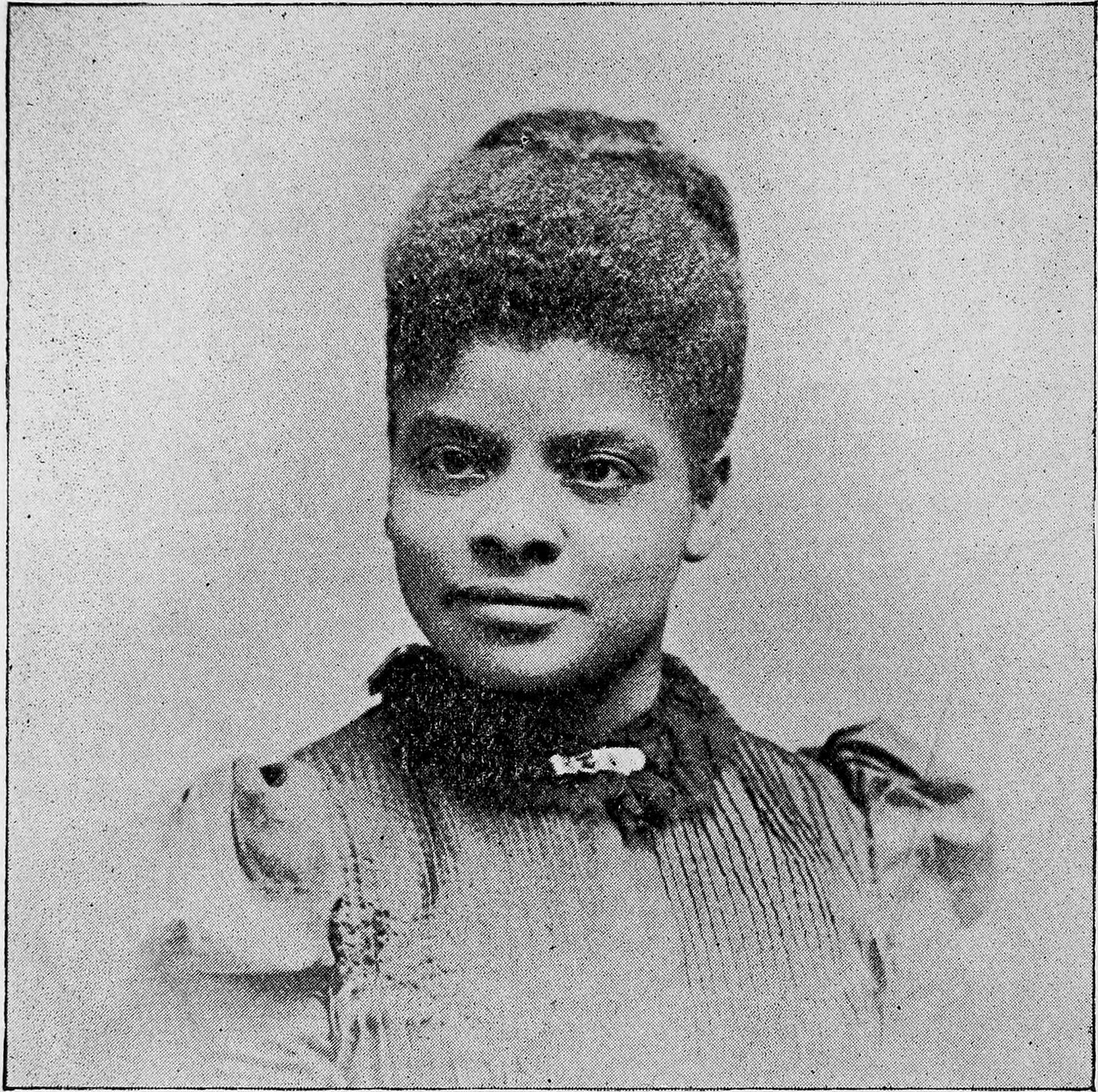
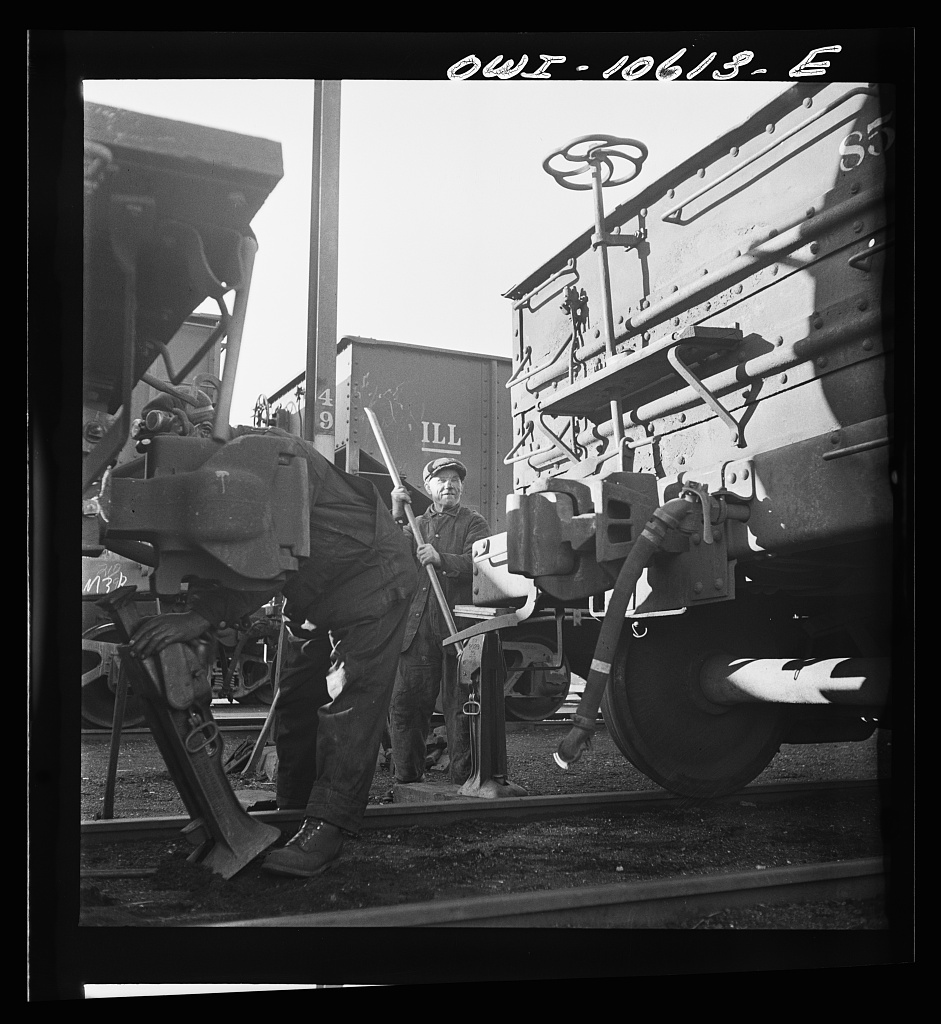
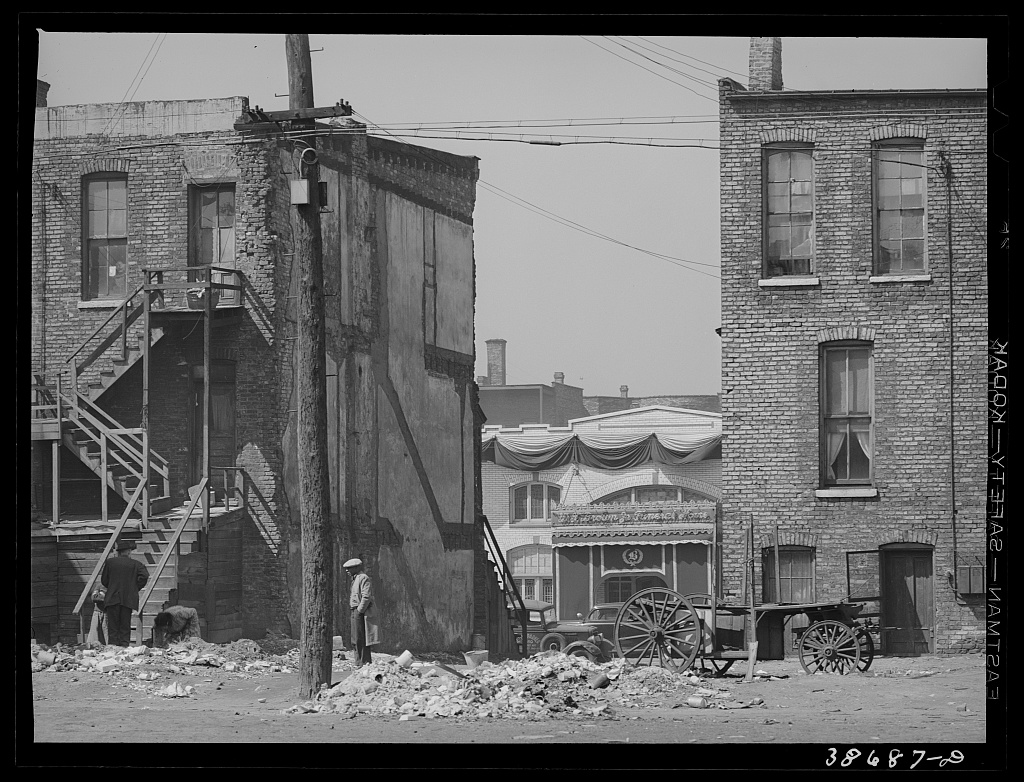
The people, places, and institutions this work documents. Photographs from the CultureTechLens research record — rights-cleared, credited, and cited like everything else here.
Trust & evidence
Evidence before authority. CultureTechLens publishes its methods, its limits, and its corrections alongside its findings. Claims carry grades — VERIFIED, SUPPORTED, PROVISIONAL, DISPUTED, UNRESOLVED — and unknowns are never reported as zero.
Every claim graded. Every source named. Every correction public — see the corrections log.