 CULTURETECHLENS
Django Unchained
VERIFIED evidence grade of this record
CULTURETECHLENS · “Culture, Clearly Seen.” · Black Cultural Intelligence
Research record
Title logo, Columbia Pictures, public domain, via Wikimedia Commons. Source: CultureTechLens
Rights basis: public domain
Django Unchained is Quentin Tarantino's 2012 Western about an enslaved man who wins his freedom, trains as a bounty hunter, and crosses the antebellum South to rescue his wife. The AFI Catalog (entry 69103) records the film as written and directed by Tarantino and presented by The Weinstein Company and Columbia Pictures, released on December 25, 2012. Jamie Foxx plays Django — cast, the Catalog notes, after Will Smith passed on the role — opposite Christoph Waltz as Dr. King Schultz, a German dentist turned bounty hunter who purchases Django because he can identify the Brittle brothers, three overseers Schultz is hunting.
The story is built as two journeys. In the first, Schultz frees Django and trains him as a partner; working together through one winter, the two collect bounties, and Django proves a natural marksman. In the second, they travel to Mississippi to free Django's wife, Broomhilda von Shaft (Kerry Washington), who is enslaved at Candyland, the plantation of Calvin Candie (Leonardo DiCaprio). Posing as prospective buyers of Candie's enslaved fighters, the two gain entry to the big house, where Candie's slave Stephen (Samuel L. Jackson), who runs the household, sees through the performance. The rescue collapses into violence that destroys Candyland and nearly everyone in it, and Django's escape and return close the film.
Production ran long and expensive. AFI reports that shooting ended on July 24, 2012, and that the budget passed $80 million. It was Tarantino's first feature completed without his longtime editor Sally Menke, who had died in September 2010, and its scale — plantation sets, winter locations, a large cast — made it a large-scale production by any measure. The Christmas Day release positioned it for the year's awards season, and by January 7, 2013, AFI records, it had already taken in $106.4 million in box-office receipts.
Reception was admiring and uneasy at once. The American Film Institute named Django Unchained one of its Movies of the Year. The New York Times critic A. O. Scott, quoted in the Catalog's notes, called it “troubling and important,” and much of the public debate around the film concerned its method: an exploitation-Western frame — drawn from the Italian Western tradition and from blaxploitation — placed directly on slavery's violence, with dialogue that repeats the era's racial epithet throughout. At the Academy Awards honoring the films of 2012, the film won two Oscars from five nominations: Tarantino took Writing (Original Screenplay) and Waltz took Actor in a Supporting Role, while the picture was also nominated for Best Picture, Cinematography, and Sound Editing. It won in the same two categories at the Golden Globe Awards.
The title itself is an act of lineage: Tarantino's film invokes Sergio Corbucci's 1966 Italian Western Django, and Franco Nero, the original Django, appears in a cameo — a passing of the role from the Italian Western tradition into an American story about slavery. Within that borrowed frame, the film's most discussed performance after Foxx's is Waltz's Schultz, a bounty hunter whose courtly German diction and contract-killer professionalism make him the story's agent of emancipation, and its most debated figure is Jackson's Stephen, the enslaved head of Candie's household, who polices the plantation's racial order on his master's behalf and recognizes the rescue plot before Candie does. The film builds toward the destruction of Candyland as both revenge and exorcism, and its ending — Django returning at night to finish the work — is staged as pure Western myth laid over the historical crime.
Within CultureTechLens's graph, Django Unchained is a Work node carried at VERIFIED grade, wired to Tarantino by an authored-by edge; its staged record rests on the AFI Catalog, the standard reference for American feature films.
Sources for this record
- Django Unchained (AFI Catalog of Feature Films, entry 69103) — American Film Institute
Claims supported: Film written and directed by Quentin Tarantino; presented by The Weinstein Company and Columbia Pictures; released December 25, 2012; Jamie Foxx cast as Django after Will Smith passed; production ended July 24, 2012; budget over $80 million; first Tarantino film without editor Sally Menke; receipts of $106.4 million by January 7, 2013; AFI Movies of the Year; A. O. Scott's “troubling and important” assessment; Academy Awards for Writing (Original Screenplay) and Actor in a Supporting Role (Christoph Waltz), with nominations for Best Picture, Cinematography, and Sound Editing; Golden Globe wins in the same two categories.
Citations
Published October 25, 2026, from the head-verified staged record in the Entity Depth Program (Batches 001–003). Source: CultureTechLens
More work records
Browse the full directory: all entity records
Record CTL-E-5491 · CultureTechLens Knowledge Graph · evidence grade: VERIFIED · 1 sources · first published October 25, 2026, from the head-verified Entity Depth staged record CTL-W-1298 (canonical master ID — canonical merge pending the founder’s classification sitting).
Directory: all entity records · the knowledge graph
Cite this record
Chicago: CultureTechLens. “Django Unchained (CTL-E-5491).” CultureTechLens Knowledge Graph. Chicago, IL: CultureTechLens, 2026. https://culturetechlens.com/graph/entities/ctl-e-5491/
APA: CultureTechLens. (2026). Django Unchained (CTL-E-5491) [Entity record]. CultureTechLens Knowledge Graph. https://culturetechlens.com/graph/entities/ctl-e-5491/
MLA: CultureTechLens. “Django Unchained (CTL-E-5491).” CultureTechLens Knowledge Graph, 2026, https://culturetechlens.com/graph/entities/ctl-e-5491/
Citation guidance for teachers, journalists, and funders: How to Cite Us.
From the Archive
The archive in pictures
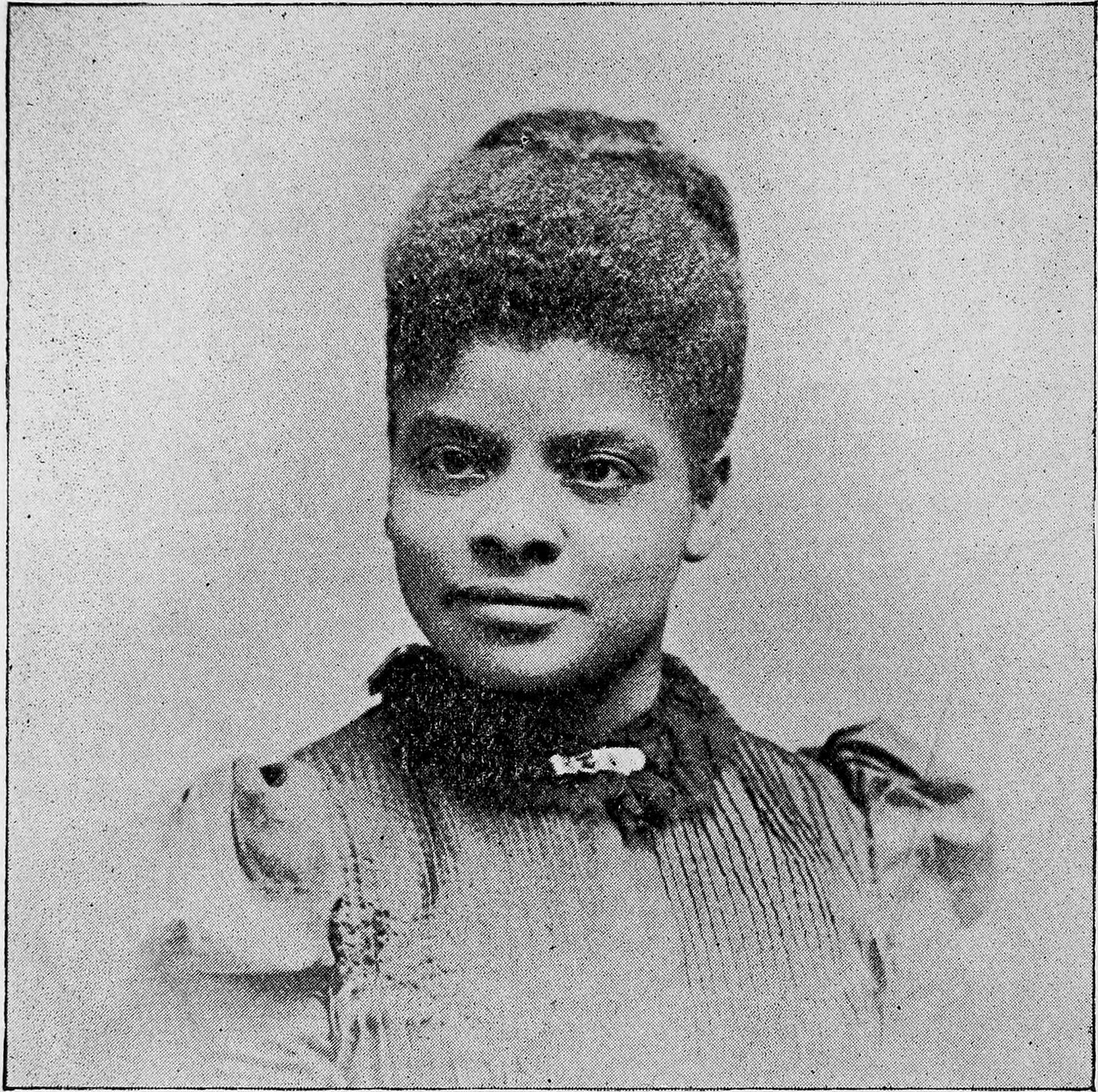
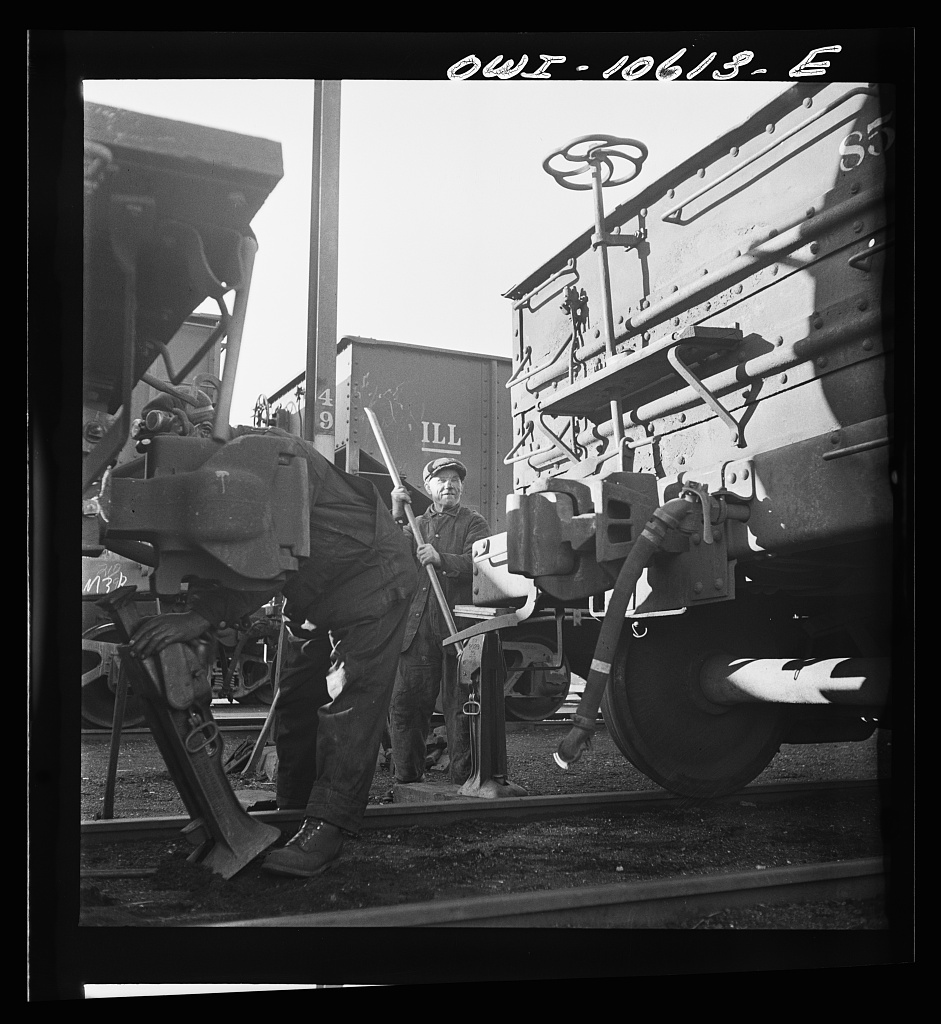
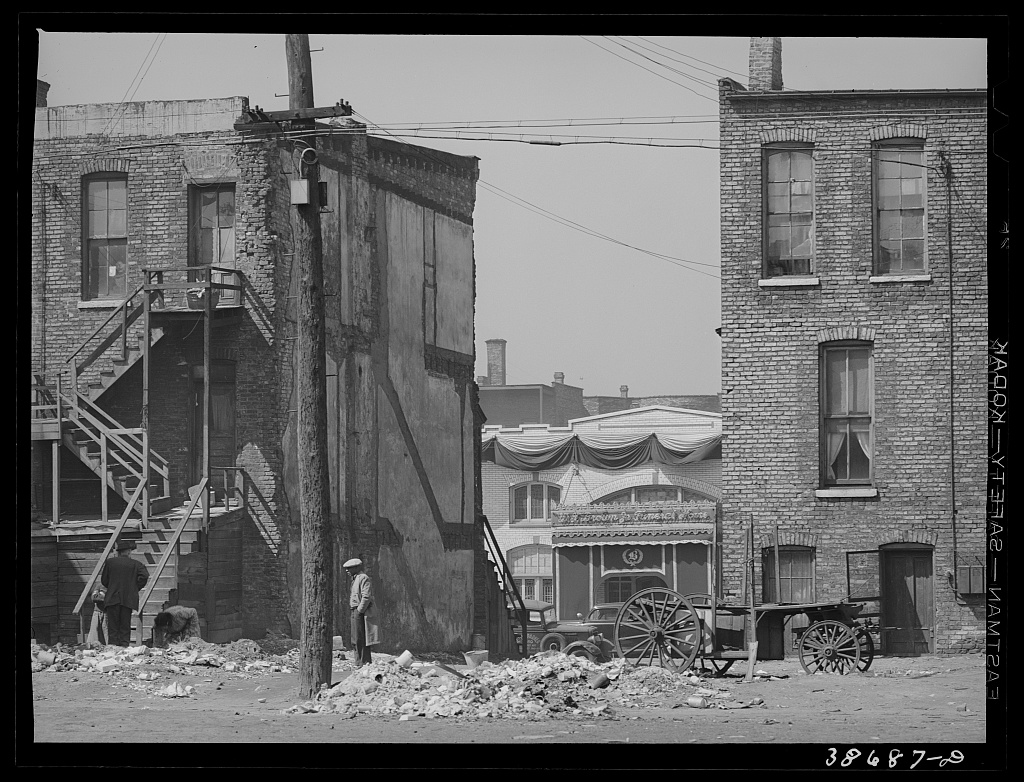
The people, places, and institutions this work documents. Photographs from the CultureTechLens research record — rights-cleared, credited, and cited like everything else here.
Trust & evidence
Evidence before authority. CultureTechLens publishes its methods, its limits, and its corrections alongside its findings. Claims carry grades — VERIFIED, SUPPORTED, PROVISIONAL, DISPUTED, UNRESOLVED — and unknowns are never reported as zero.
Every claim graded. Every source named. Every correction public — see the corrections log.