 CULTURETECHLENS
Da 5 Bloods
VERIFIED evidence grade of this record
CULTURETECHLENS · “Culture, Clearly Seen.” · Black Cultural Intelligence
Research record
Logo: FLC001, CC0, via Wikimedia Commons · Source: CultureTechLens
Rights basis: CC0 1.0 (https://creativecommons.org/publicdomain/zero/1.0) — as recorded in Wikimedia Commons machine-readable license metadata
Da 5 Bloods was released by Netflix on June 12, 2020 — the release the CTL record's verifying review at Paste documents — directed and co-written by Spike Lee, running 156 minutes on a production budget of thirty-five to forty-five million dollars, among the most expensive films of Lee's career. The screenplay's path matters to what the film became: Danny Bilson and Paul De Meo wrote the original script in 2013 as The Last Tour, and after the success of BlacKkKlansman, Lee reworked it with his co-writer Kevin Willmott, changing the story to an African-American perspective, adding its flashback structure, and enlarging the role of the fallen squad leader. For research Lee assigned his cast Wallace Terry's 1984 oral history Bloods: An Oral History of the Vietnam War by Black Veterans.
Four aging veterans — Paul, played by Delroy Lindo; Otis, played by Clarke Peters; Eddie, played by Norm Lewis; and Melvin, played by Isiah Whitlock Jr. — return to Vietnam to recover two things they buried there: a locker of CIA gold bars they had taken for themselves, and the remains of their squad leader, "Stormin'" Norman Earl Holloway, played by Chadwick Boseman, whose original plan for the gold had been reparative — wealth owed to Black America. Paul's son David, played by Jonathan Majors, forces his way into the expedition. The film cuts between the present-day search, shadowed by Paul's post-traumatic stress, and wartime flashbacks in which Lee pointedly had his sixty-something actors play their twenty-year-old selves without de-aging technology or makeup — the men as they still see themselves. Six songs from Marvin Gaye's What's Going On run under the picture, and the six principals share first names with the members of the Temptations and their producer Norman Whitfield. The CTL graph attaches Paul, Otis, and Stormin' Norman as the work's featured figures and Lee as author. Boseman's Norman, seen only in memory and vision, was his last film performance released during his lifetime.
The film's visual system is a documented argument of its own. Lee and cinematographer Newton Thomas Sigel shot the 1960s flashbacks in a narrow 1.33:1 frame on 16-millimeter film, mimicking the newsreel and home-front television through which America first saw the war — Sigel's stated reasoning was that Vietnam was the first war that was really televised, and predominantly shot on 16-millimeter — while the present-day city scenes open out to a 2.39:1 widescreen and the jungle passages hold at 1.85:1. Netflix's executives initially resisted the multi-format plan; Lee insisted and prevailed. The frame itself thus keeps the film's two times separate: the war as broadcast memory, the return as an epic the veterans have to walk through at full width.
The production was mounted like the expedition it depicts. Filming began March 23, 2019 and ran three months across Ho Chi Minh City, Bangkok, and Chiang Mai, with the temple ruins for the climax built from wood and Styrofoam over two months. Before the pandemic, the film was slated to premiere out of competition at Cannes and play theaters ahead of streaming; the closure of the world's cinemas rerouted it straight to Netflix on June 12, 2020, where it became the platform's top-streamed title its first weekend and, by Variety's count, the sixteenth-most-watched straight-to-streaming film of 2020. Terence Blanchard's score and the six What's Going On songs were issued on the Milan Records soundtrack album on June 5, 2020 — Marvin Gaye's 1971 reckoning with a returning veteran's America, folded into a 2020 film that asks the same questions with the same singer on the turntable.
The reception matched the ambition. The National Board of Review named it the Best Film of 2020; it was nominated for the Academy Award for Terence Blanchard's score and for the Screen Actors Guild Award for its cast's ensemble performance; Netflix reported twenty-seven million households viewed it in its first weeks. Critics rated it 92 percent on Rotten Tomatoes and 82 on Metacritic; Richard Roeper, in the Chicago Sun-Times, gave it four stars and called Lindo an instant best-actor contender, and The Hollywood Reporter judged it a film that closes on a profoundly affecting note of hope and catharsis. CTL holds Da 5 Bloods as a 2020 Netflix film work by Spike Lee: a war movie about who did the bleeding, who did the burying, and what the survivors were owed when they came home.
Sources for this record
- Da 5 Bloods Is Spike Lee's Vital, Ferocious Take on the Vietnam War — Paste Magazine
Claims supported: Contemporary review carried in the CTL record: directed by Spike Lee, written by Lee and Kevin Willmott; released June 12, 2020 on Netflix; cast Clarke Peters, Delroy Lindo, Norm Lewis, Isiah Whitlock Jr., Chadwick Boseman, and Jonathan Majors. - Da 5 Bloods — Wikipedia
Claims supported: Directed, produced, and co-written by Spike Lee; original 2013 script by Danny Bilson and Paul De Meo as The Last Tour, reworked by Lee and Kevin Willmott to an African-American perspective after BlacKkKlansman; research in Wallace Terry's Bloods (1984); 156 minutes; budget $35-45 million; plot of the four veterans, the buried CIA gold, and Norman's remains; flashbacks without de-aging; six songs from Marvin Gaye's What's Going On; principals' first names drawn from the Temptations and Norman Whitfield; Boseman's last film released in his lifetime; National Board of Review Best Film of 2020; Academy Award nomination for Best Original Score and SAG cast nomination; 27 million households in its first weeks; Rotten Tomatoes 92 percent and Metacritic 82; Roeper's four-star Chicago Sun-Times review.
Citations
"Da 5 Bloods." Wikipedia. Accessed October 25, 2026. https://en.wikipedia.org/wiki/Da_5_Bloods.
Published October 25, 2026, from the head-verified staged record in the Entity Depth Program (Batches 001–003). Source: CultureTechLens
More work records
Browse the full directory: all entity records
Record CTL-E-5490 · CultureTechLens Knowledge Graph · evidence grade: VERIFIED · 2 sources · first published October 25, 2026, from the head-verified Entity Depth staged record CTL-W-1304 (canonical master ID — canonical merge pending the founder’s classification sitting).
Directory: all entity records · the knowledge graph
Cite this record
Chicago: CultureTechLens. “Da 5 Bloods (CTL-E-5490).” CultureTechLens Knowledge Graph. Chicago, IL: CultureTechLens, 2026. https://culturetechlens.com/graph/entities/ctl-e-5490/
APA: CultureTechLens. (2026). Da 5 Bloods (CTL-E-5490) [Entity record]. CultureTechLens Knowledge Graph. https://culturetechlens.com/graph/entities/ctl-e-5490/
MLA: CultureTechLens. “Da 5 Bloods (CTL-E-5490).” CultureTechLens Knowledge Graph, 2026, https://culturetechlens.com/graph/entities/ctl-e-5490/
Citation guidance for teachers, journalists, and funders: How to Cite Us.
From the Archive
The archive in pictures
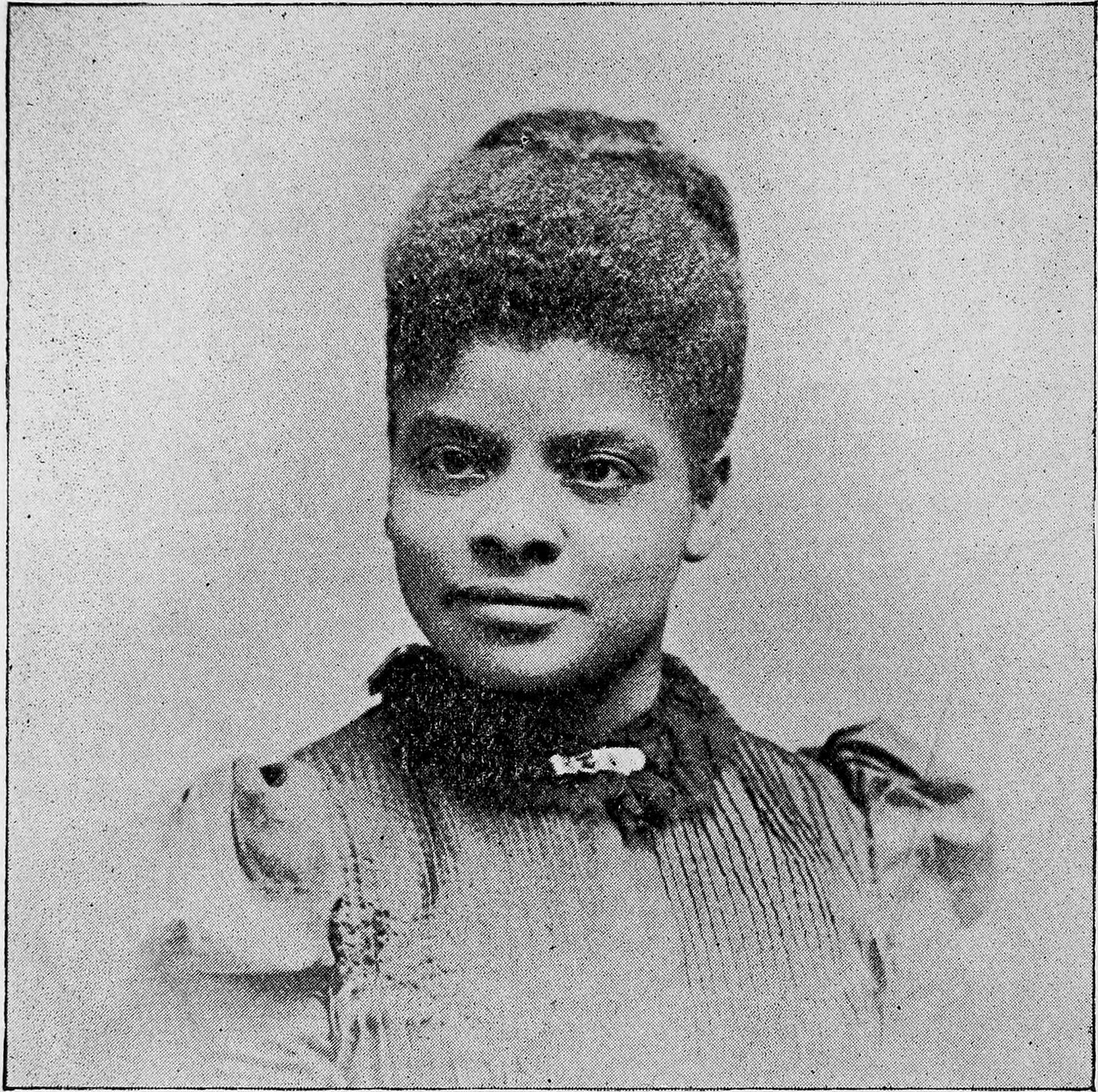
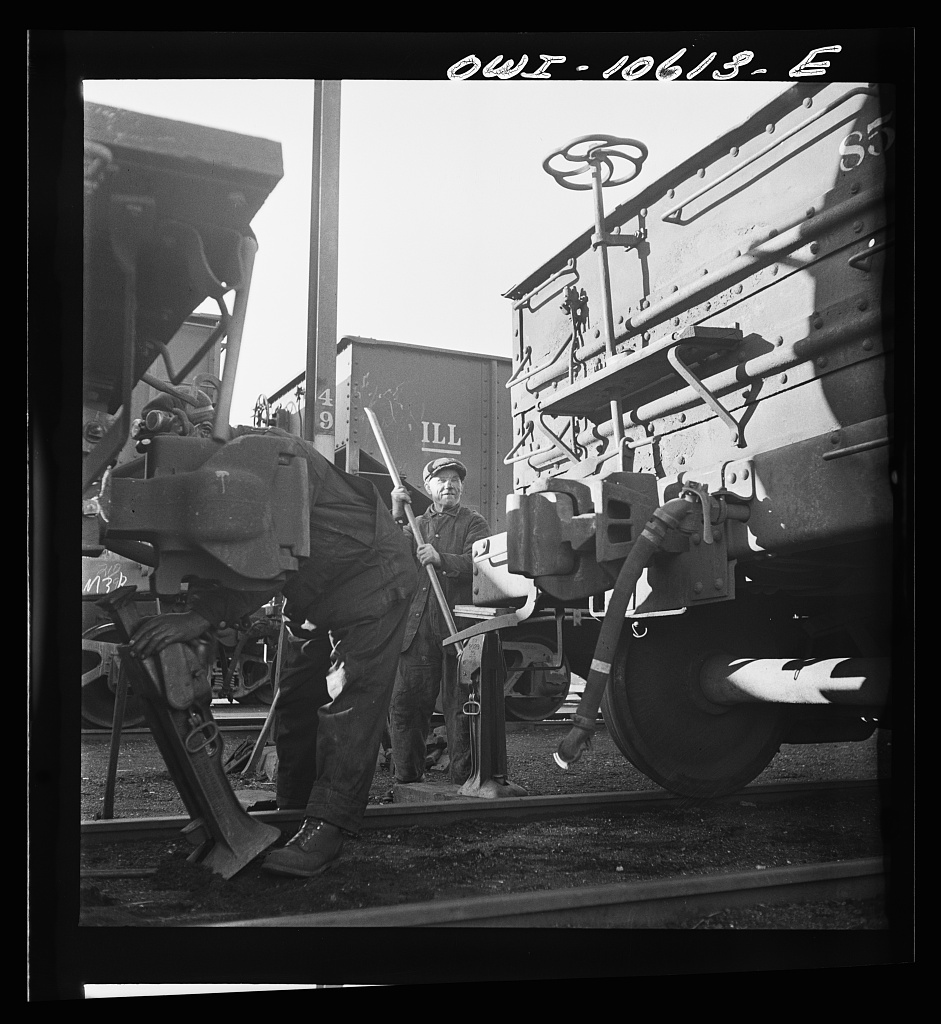
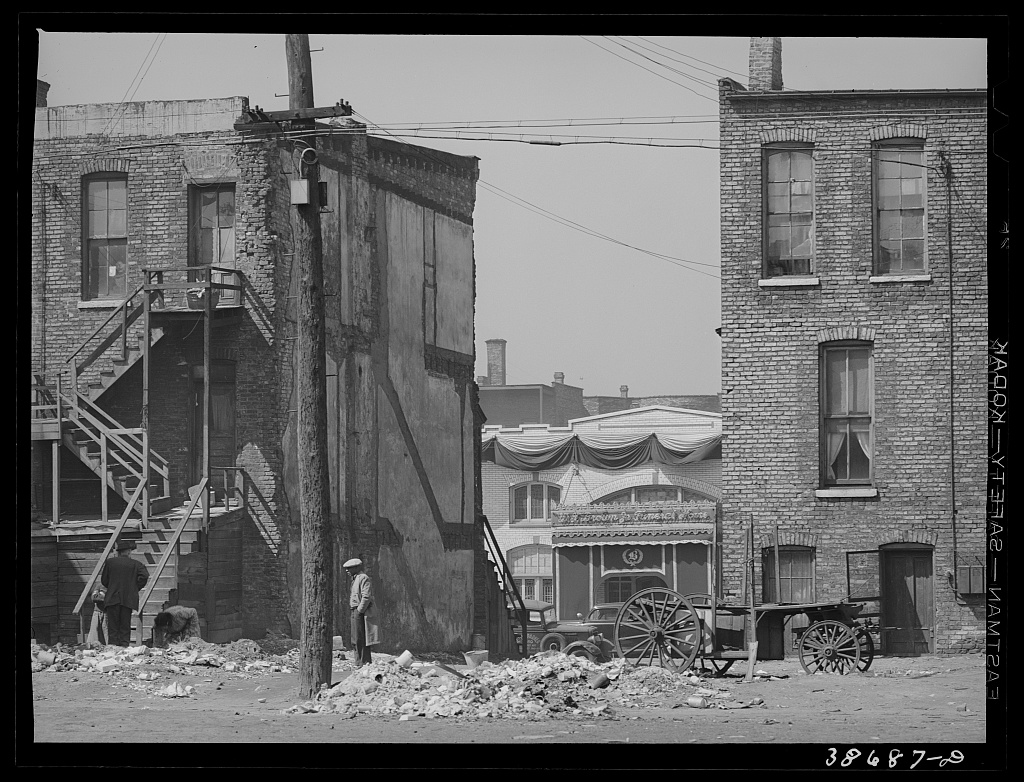
The people, places, and institutions this work documents. Photographs from the CultureTechLens research record — rights-cleared, credited, and cited like everything else here.
Trust & evidence
Evidence before authority. CultureTechLens publishes its methods, its limits, and its corrections alongside its findings. Claims carry grades — VERIFIED, SUPPORTED, PROVISIONAL, DISPUTED, UNRESOLVED — and unknowns are never reported as zero.
Every claim graded. Every source named. Every correction public — see the corrections log.