 CULTURETECHLENS
Beloved
VERIFIED evidence grade of this record
CULTURETECHLENS · “Culture, Clearly Seen.” · Black Cultural Intelligence
Research record

Cover: jacket design by R. D. Scudellari, Public domain, via Wikimedia Commons · Source: CultureTechLens
Rights basis: Public domain (as recorded in Wikimedia Commons machine-readable license metadata)
Beloved was published by Alfred A. Knopf on September 16, 1987, a 324-page novel by Toni Morrison — her fifth, following Tar Baby and preceding Jazz. The CTL record is grounded in the reader's guide published by the novel's own publisher, Penguin Random House. Morrison dedicated the book "Sixty Million and more," the estimated dead of the Middle Passage and slavery, and set it under an epigraph from Romans 9:25: "I will call them my people, which were not my people; and her beloved, which was not beloved." The story stands in 1873 at 124 Bluestone Road in Cincinnati, in a house haunted by the baby daughter its central character killed. Sethe, born enslaved in Kentucky, had escaped to Ohio while pregnant and, when the slaveholder came to reclaim the family under the Fugitive Slave Act, cut her two-year-old daughter's throat rather than return her to slavery. Eighteen years later Paul D, who had been enslaved with Sethe at the ironically named Sweet Home plantation, arrives at Bluestone Road — and so, in flesh, does a young woman who calls herself Beloved, understood as the dead child returned, who fastens onto Sethe, drives Paul D out, and consumes the household until the women of the neighborhood gather at the house in an exorcism of song and prayer; Beloved disappears, and Paul D comes back to Sethe at last.
Morrison built the novel on a documented life. Margaret Garner fled Kentucky in January 1856, crossed to Cincinnati, and, cornered by slave catchers, killed her two-year-old daughter Mary rather than see her re-enslaved; Morrison encountered the case in an 1856 American Baptist newspaper account while editing The Black Book in 1974, and worked from that account into fiction. The graph's modeling is exact: Beloved is authored by Toni Morrison, and its featured figures are Sethe, her surviving daughter Denver, Paul D, and Beloved herself — the four poles of the haunting.
The Garner ground bears stating at full length, because Morrison's method was to build on a documented horror and then refuse to stay inside its documentation. Margaret Garner escaped Kentucky in January 1856 with her family, crossed the river to Cincinnati, and, when slave catchers cornered the household, killed her two-year-old daughter Mary rather than surrender her to slavery. The case was national news and abolitionist evidence. Morrison found the newspaper account — an 1856 article in the American Baptist — while she was editing The Black Book in 1974, and worked from that account into fiction: Sethe's dead daughter, known by the single word "Beloved," is Garner's Mary transposed into a haunting that the historical record, by its nature, could not contain.
The novel's machinery is domestic, which is its radicalism. Its stage is one house — 124 Bluestone Road, a number the book treats as a temper — and its events are visits, meals, a carnival, an exorcism performed by neighbors singing and praying in the yard. Denver, the surviving daughter, is the one who finally steps off the porch to ask the community for help, and the community is what saves her mother. The Pulitzer in 1988 and the National Book Award finalist citation the year before registered the achievement in real time; the New York Times survey of 2006, polling writers and critics on the best American fiction of the preceding quarter-century, placed it first.
The honors arrived in sequence and then in canon. Beloved won the Pulitzer Prize for Fiction in 1988 and was a finalist for the 1987 National Book Award. In 2006, a New York Times survey of writers and critics named it the best work of American fiction of the previous twenty-five years, 1981 to 2006 — a verdict on a quarter-century that placed a ghost story about slavery's afterlife at the top of the national literature. It was adapted as a 1998 film starring Oprah Winfrey as Sethe. CTL holds Beloved as a 1987 novel, a VERIFIED work record: the book that made the interior aftermath of slavery — memory as a place, grief as a tenant — the central subject of the modern American novel.
Sources for this record
- Beloved by Toni Morrison — Reader's Guide — Penguin Random House
Claims supported: Publisher's reader's guide carried in the CTL record: Beloved is a 1987 novel by Toni Morrison; discussion of Sethe, Denver, Paul D, and Beloved and the novel's treatment of slavery and memory. - Beloved (novel) — Wikipedia
Claims supported: Published by Alfred A. Knopf on September 16, 1987, 324 pages; preceded by Tar Baby and followed by Jazz; dedication 'Sixty Million and more' and Romans 9:25 epigraph; setting at 124 Bluestone Road, Cincinnati, in 1873; plot of Sethe, Paul D, Denver, and Beloved, the community women's intervention, and Paul D's return; basis in Margaret Garner's January 1856 flight and killing of her daughter Mary, found by Morrison in an 1856 American Baptist account while editing The Black Book (1974); Pulitzer Prize for Fiction 1988; National Book Award finalist 1987; New York Times survey ranked it the best American fiction of 1981-2006; 1998 film adaptation starring Oprah Winfrey.
Citations
"Beloved (novel)." Wikipedia. Accessed October 25, 2026. https://en.wikipedia.org/wiki/Beloved_(novel).
Published October 25, 2026, from the head-verified staged record in the Entity Depth Program (Batches 001–003). Source: CultureTechLens
More work records
Browse the full directory: all entity records
Record CTL-E-5486 · CultureTechLens Knowledge Graph · evidence grade: VERIFIED · 2 sources · first published October 25, 2026, from the head-verified Entity Depth staged record CTL-W-0173 (canonical master ID — canonical merge pending the founder’s classification sitting).
Directory: all entity records · the knowledge graph
Cite this record
Chicago: CultureTechLens. “Beloved (CTL-E-5486).” CultureTechLens Knowledge Graph. Chicago, IL: CultureTechLens, 2026. https://culturetechlens.com/graph/entities/ctl-e-5486/
APA: CultureTechLens. (2026). Beloved (CTL-E-5486) [Entity record]. CultureTechLens Knowledge Graph. https://culturetechlens.com/graph/entities/ctl-e-5486/
MLA: CultureTechLens. “Beloved (CTL-E-5486).” CultureTechLens Knowledge Graph, 2026, https://culturetechlens.com/graph/entities/ctl-e-5486/
Citation guidance for teachers, journalists, and funders: How to Cite Us.
From the Archive
The archive in pictures
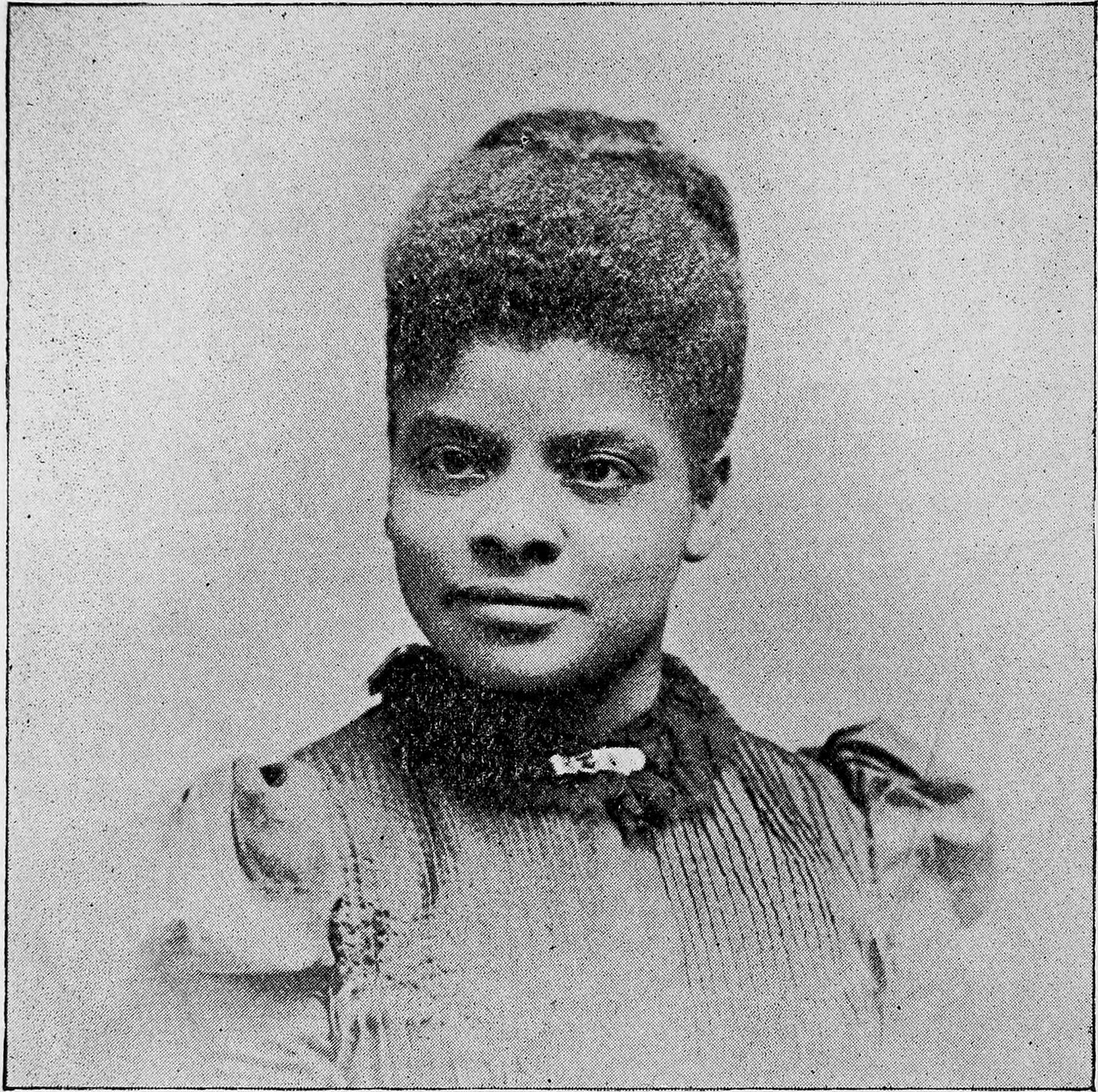
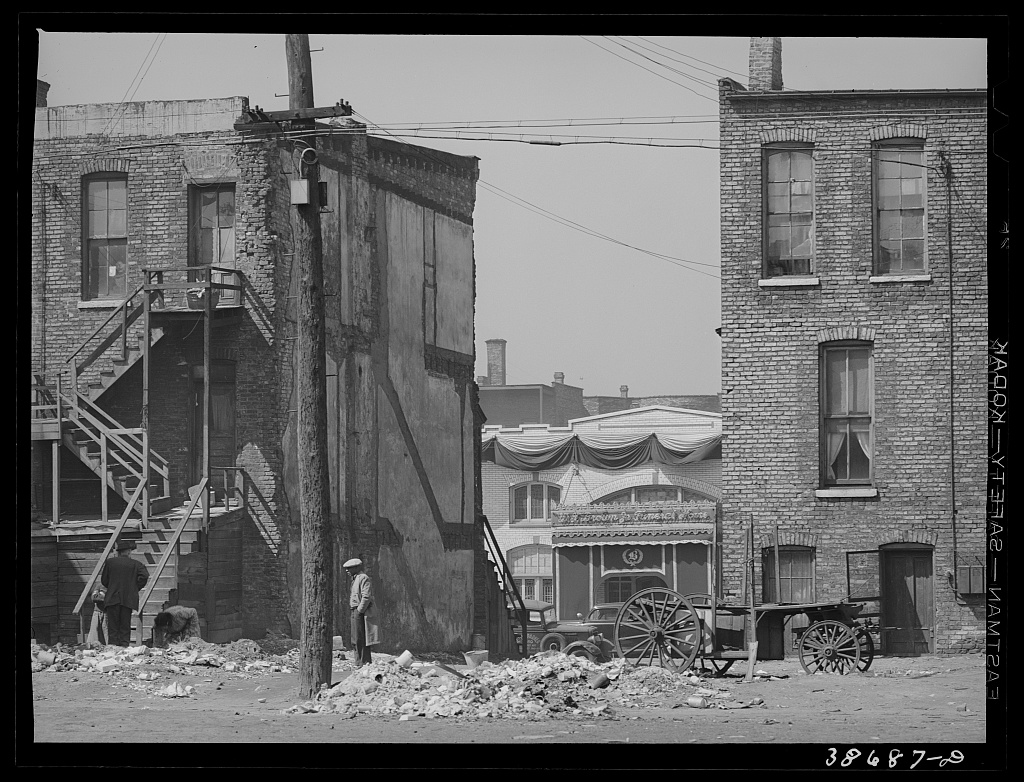
The people, places, and institutions this work documents. Photographs from the CultureTechLens research record — rights-cleared, credited, and cited like everything else here.

Trust & evidence
Evidence before authority. CultureTechLens publishes its methods, its limits, and its corrections alongside its findings. Claims carry grades — VERIFIED, SUPPORTED, PROVISIONAL, DISPUTED, UNRESOLVED — and unknowns are never reported as zero.
Every claim graded. Every source named. Every correction public — see the corrections log.