 CULTURETECHLENS
Nairobi
VERIFIED evidence grade of this record
CULTURETECHLENS · “Culture, Clearly Seen.” · Black Cultural Intelligence
Research record
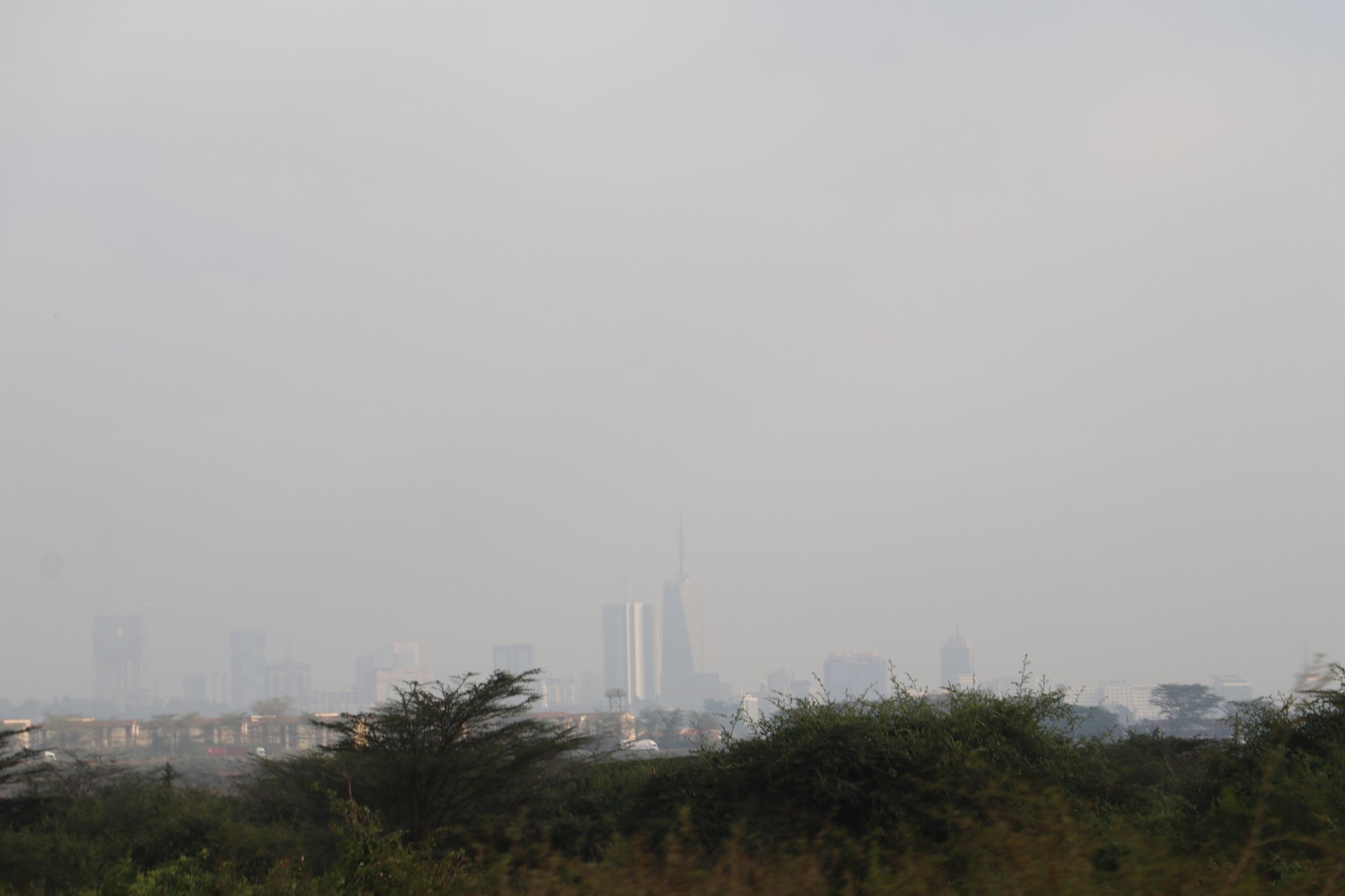
Photograph by Shadychiri, CC BY 4.0, via Wikimedia Commons. Source: CultureTechLens
Rights basis: CC BY 4.0
Nairobi is the capital and largest city of Kenya, seated in the south-central highlands at an elevation of about 1,795 metres (5,889 feet). The statement that verifies this graph entry comes from the President of Kenya's own published remarks: “Nairobi is our capital, the seat of the Republic and the nerve centre of national administration.” The city proper counted 4,397,073 people in the 2019 census, with a metropolitan population above nine million, and it hosts the United Nations Environment Programme and the United Nations Office at Nairobi alongside the Nairobi Securities Exchange — an established hub, as the reference summaries put it, for business and culture.
The name is older than the city. It comes from the Maasai phrase Enkare Nairobi, “cool water,” for the stream that ran through a marshy plain used by Maasai, Akamba, and Kikuyu communities. The city itself began in 1899, when the British colonial authorities built a supply depot of the Uganda Railway — the line being driven from Mombasa toward Uganda — at a site chosen, Nairobi City County's history recounts, for its central position between Mombasa and Kampala, its rivers to supply water, and its elevation, cool enough for the thousands of Indian labourers building the line and for British settlers. The depot grew fast enough to become the railway's headquarters, and the township of Nairobi was incorporated in 1900.
In 1905 Nairobi was declared the capital of the British East Africa Protectorate, displacing the older coastal administration (some references date the capital's transfer to 1907 — see the batch INDEX). During the colonial period the city became the centre of the colony's coffee, tea, and sisal economy. It remained the capital when Kenya became independent in 1963. One feature sets it apart from every other world capital: Nairobi National Park, established in 1946, preserves a large game reserve against the city's southern edge, so that lions and giraffes range within sight of the skyline. The city's modern history also carries the 1998 bombing of the United States embassy, recorded in the History of Nairobi chronology among its key events.
The city's first president ties its modern identity together: Jomo Kenyatta, who led Kenya at independence in 1963, governed from Nairobi, and the chronology the reference histories keep for the city runs from the 1899 depot through the 1946 creation of the National Park to the traumas of the 1998 embassy bombing and the 2013 Westgate shopping-mall attack. It functions, too, as the world's safari capital — the gateway city for Kenya's game reserves, with its own national park inside the city limits — a combination no other capital offers.
Geography explains both the site and the nickname. The city spreads across a high plateau where the Nairobi River — the “cool water” of the Maasai name — runs through it, and its altitude keeps the equatorial climate temperate; Nairobi is popularly known as the “Green City in the Sun.” It is also a consolidated city-county: Nairobi City County forms its own county government, and the cooperation agreement between that county government and Kenya's national government — the occasion of the presidential remarks that verify this entry — is the standing instrument for governing a capital that is simultaneously a city, a county, and the seat of the republic.
The commercial weight matches the administrative weight. The reference record counts thousands of Kenyan businesses and more than a hundred major international companies and organizations in the city, and its securities exchange — the second-oldest in Africa and among the continent's largest by trading volume — is capable of handling ten million trades a day. It is this combination, capital and marketplace in one highland city, that the graph's placement of Nairobi among its African anchor cities records.
CultureTechLens carries Nairobi as a Place at VERIFIED grade with the diaspora note “East African media and music hub” — the region's broadcasting, publishing, and recording industries concentrate here — pairing it in the graph's African geography with Kinshasa, staged in the same batch.
Sources for this record
- Remarks during the signing of a cooperation agreement between the National Government and the Nairobi City County Government — Office of the President, Republic of Kenya
Claims supported: Master verification source: “Nairobi is our capital, the seat of the Republic and the nerve centre of national administration.” - History of Nairobi — Wikipedia
Claims supported: Chronology: 1899 establishment of the railway depot; 1905 Nairobi declared capital; 1946 Nairobi National Park established; 1998 U.S. Embassy bombing; the site was a marshy area occupied by Maasai, Akamba, and Kikuyu communities, and the name derives from the Maasai phrase for the place of cool waters. - History — Nairobi City County
Claims supported: The name comes from the Maasai phrase Enkare Nyrobi, “cool water”; the area was uninhabited swamp until a Uganda Railway supply depot was built in 1899 linking Mombasa to Uganda, sited for its central position, water supply, and cool elevation; the settlement grew into the railway's headquarters and was incorporated as the Township of Nairobi in 1900. - Capital of Kenya (Nairobi) — The Great Soviet Encyclopedia, via TheFreeDictionary
Claims supported: Nairobi is the capital and largest city of Kenya; city proper population 4,397,073 in the 2019 census and metropolitan population 9,354,580; elevation 1,795 metres (5,889 feet); home to the United Nations Environment Programme and the United Nations Office at Nairobi and to the Nairobi Securities Exchange.
Citations
Wikipedia. “History of Nairobi.” Accessed October 25, 2026. https://en.wikipedia.org/wiki/History_of_Nairobi.
Nairobi City County. “History.” Accessed October 25, 2026. https://nairobi.go.ke/history.
TheFreeDictionary. “Capital of Kenya.” Accessed October 25, 2026. https://encyclopedia.thefreedictionary.com/capital+of%20Kenya.
Published October 25, 2026, from the head-verified staged record in the Entity Depth Program (Batches 001–003). Source: CultureTechLens
More place records
Browse the full directory: all entity records
Record CTL-E-5499 · CultureTechLens Knowledge Graph · evidence grade: VERIFIED · 4 sources · first published October 25, 2026, from the head-verified Entity Depth staged record CTL-PL-0057 (canonical master ID — canonical merge pending the founder’s classification sitting).
Directory: all entity records · the knowledge graph
Cite this record
Chicago: CultureTechLens. “Nairobi (CTL-E-5499).” CultureTechLens Knowledge Graph. Chicago, IL: CultureTechLens, 2026. https://culturetechlens.com/graph/entities/ctl-e-5499/
APA: CultureTechLens. (2026). Nairobi (CTL-E-5499) [Entity record]. CultureTechLens Knowledge Graph. https://culturetechlens.com/graph/entities/ctl-e-5499/
MLA: CultureTechLens. “Nairobi (CTL-E-5499).” CultureTechLens Knowledge Graph, 2026, https://culturetechlens.com/graph/entities/ctl-e-5499/
Citation guidance for teachers, journalists, and funders: How to Cite Us.
From the Archive
The archive in pictures
The people, places, and institutions this work documents. Photographs from the CultureTechLens research record — rights-cleared, credited, and cited like everything else here.
Trust & evidence
Evidence before authority. CultureTechLens publishes its methods, its limits, and its corrections alongside its findings. Claims carry grades — VERIFIED, SUPPORTED, PROVISIONAL, DISPUTED, UNRESOLVED — and unknowns are never reported as zero.
Every claim graded. Every source named. Every correction public — see the corrections log.