 CULTURETECHLENS
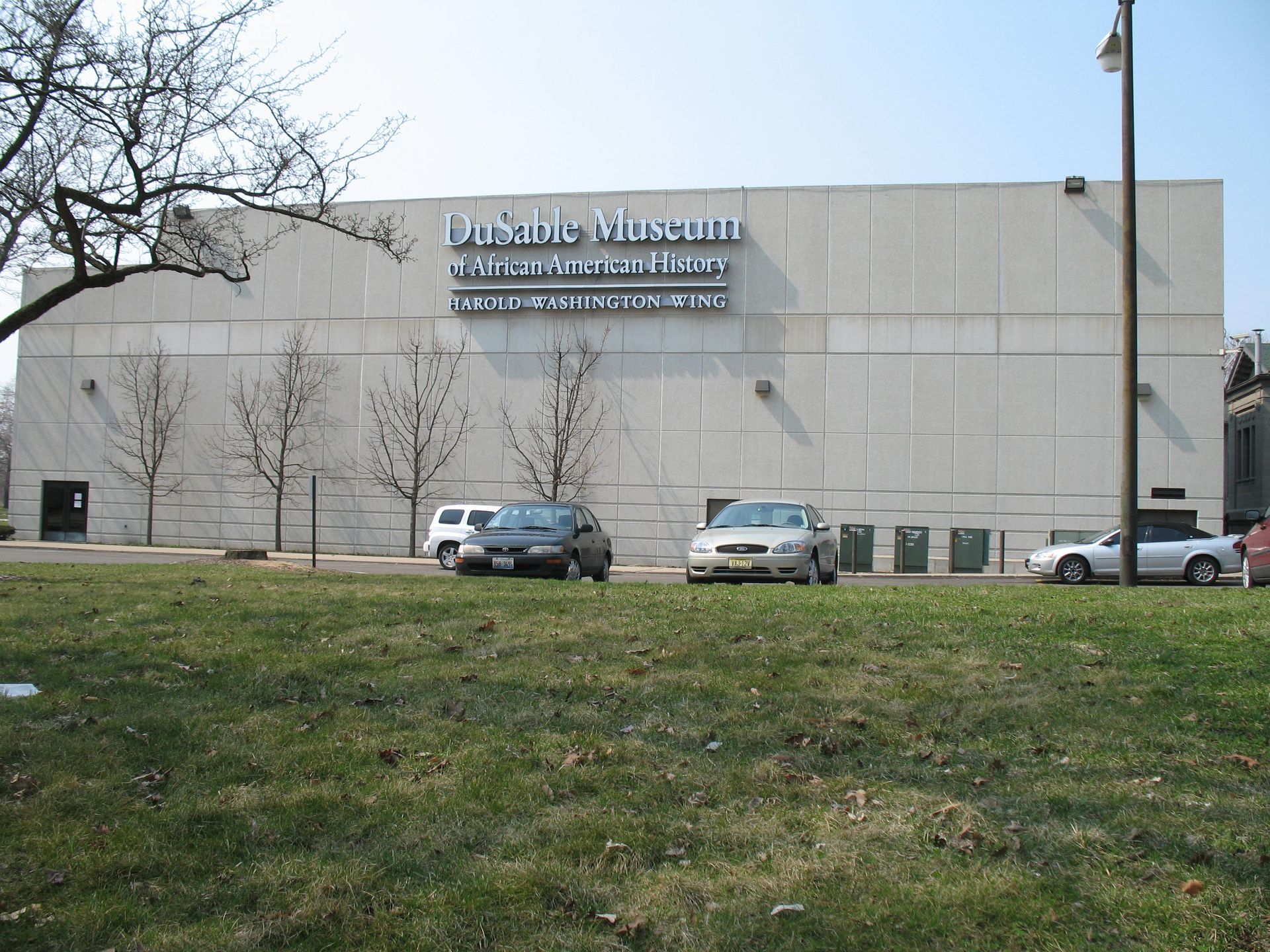
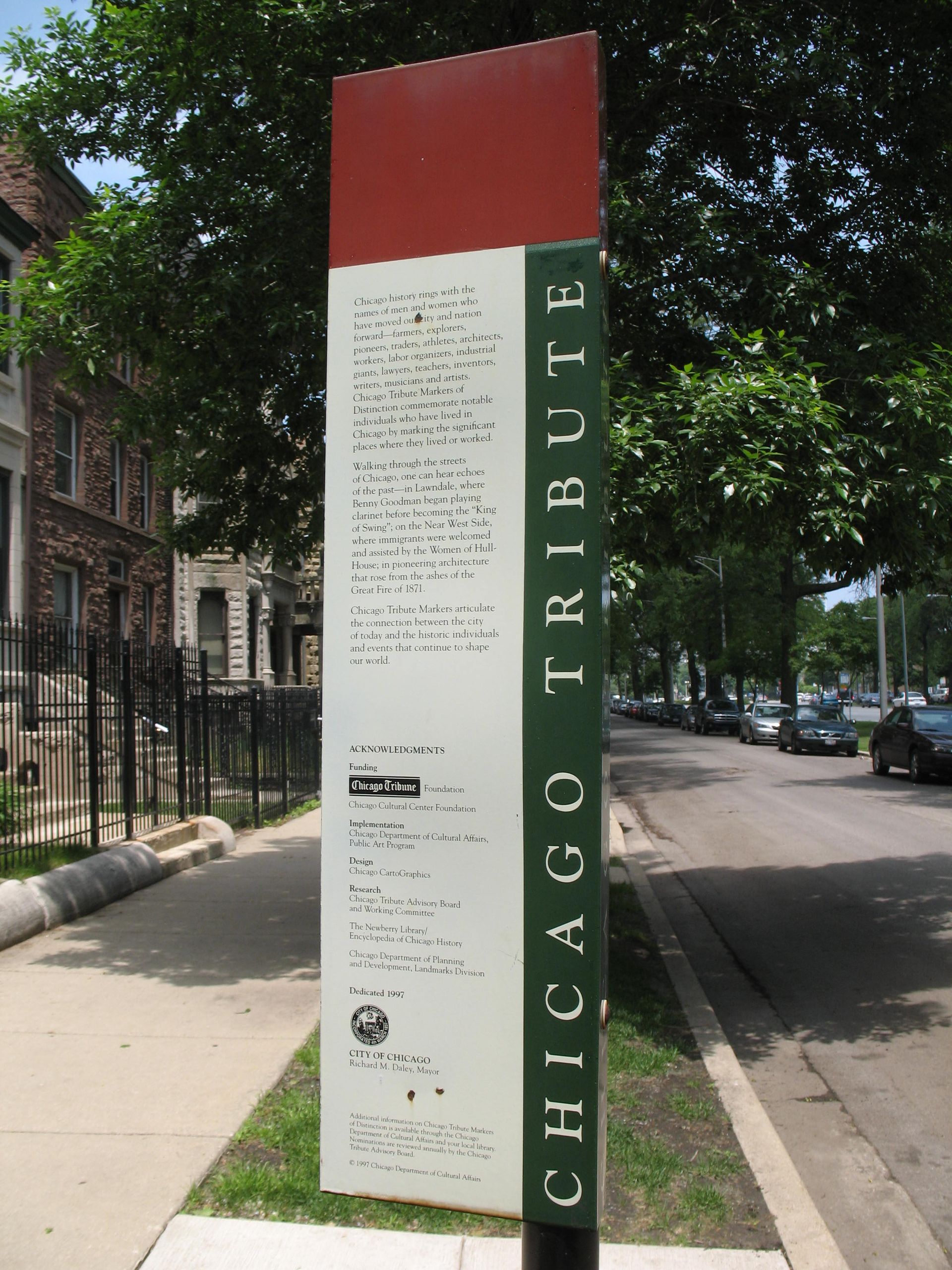
Photo: TonyTheTiger, CC BY-SA 3.0, via Wikimedia Commons
The Definitive Guide to Black Studies
Last reviewed: November 20, 2026. This is a living guide. It will be updated when archival collections described here change location or access terms, when a linked resource moves or dies — every external link in this guide was verified live on November 8, 2026, and link checks are part of every review — or when CTL publishes new research that belongs in it. Corrections are logged publicly per CultureTechLens’s corrections policy.
Why this guide exists
Black Studies is the discipline built to study a record that the academy long refused to keep. Its researchers work with a double inheritance: a rich archive — narratives, newspapers, photographs, church and organizational records, oral histories — and a documented history of that archive being under-collected, dispersed, and allowed to decay. Knowing where the record lives, how to reach the source behind any summary of it, and what to do when the record has a hole in it is not a preliminary to Black Studies research. It is the research.
This guide is the single reference CultureTechLens (CTL) points librarians, researchers, educators, and students to when they ask: What is Black Studies, where did it come from, and how do I do research in it well? It covers the discipline’s founding history, the canonical first-person narrative collections, a working research method, the major archives and databases, and Chicago — CTL’s home ground — as a case study in how a Black archive is built and kept. It also explains, plainly, how CultureTechLens itself is built and how to reach the source behind any claim CTL makes, because a guide that asks for a librarian’s trust has to be checkable all the way down.
Two honesty notes belong at the front. First, this guide was prompted by a link audit: a university Black Studies research guide was carrying dead links — ten of them, three by then pointing to spam — and CTL’s first suggested replacement did not hold up to inspection (our Sources & Datasets page describes CTL’s datasets; it does not surface first-person narratives by enslaved people, and it should never have been offered as if it did). The narrative collections in Section 3 are the real answer, linked directly to the institutions that hold them. Second, every external link in this guide was checked on the date above. A guide born from a dead-link complaint does not get to carry dead links.
Start here: the sources for this page, and how to check anything in it
Everything in this guide can be checked, and this is the short version of how. The sources for this page are the collections and institutions it names: the Library of Congress’s Born in Slavery and Voices Remembering Slavery collections, UNC’s North American Slave Narratives, ASALH’s commemorations timeline, SF State’s strike history, Northwestern University’s Black Studies research guide, and the Chicago collections of Section 7 — each linked at the point where this guide uses it, and every link verified live on the date at the top of this page.
How CultureTechLens is built, in one paragraph: CTL is a Chicago nonprofit research archive. Its claims carry published evidence grades (VERIFIED / SUPPORTED / PROVISIONAL / DISPUTED / UNRESOLVED); its datasets ship with methodology and a public corrections log; its sources sit in a public source register; and its major datasets carry permanent DOIs. To reach the source behind any claim in this guide: follow the link at the claim → open the named collection or edition page → for CTL data, continue to the DOI deposit or the public research repository’s source register → check the corrections log before you cite. Section 9 walks the full trail, step by step, with every link.
1. What Black Studies is
Black Studies is the interdisciplinary study of the histories, cultures, politics, and intellectual traditions of African-descended peoples — in the United States and across the African diaspora. It goes by several names on different campuses — Black Studies, African American Studies, Africana Studies, Pan-African Studies, African Studies’ diaspora side — and the name differences are local history, not different subjects. What defines the field is not a single method but a single commitment: it draws on history, literature, sociology, political science, musicology, religious studies, and archival practice at once, because the record it studies was never kept in one department’s shape either.
Three features of the field matter for anyone researching in it:
It was built from outside the academy first. Long before universities housed Black Studies, the work was carried by independent scholars, Black newspapers and magazines, churches, historical societies, and collectors — Carter G. Woodson’s Association for the Study of Negro Life and History (founded in Chicago in 1915; today the Association for the Study of African American Life and History, ASALH) is the founding example, and Section 2 starts there.
Its primary sources are unusually wide. A Black Studies archive includes the expected books and papers — and also oral histories, sermons, song, photographs, organisational records, ephemera, and family-held material, because those are the forms in which much of Black life was documented when official record-keeping excluded it. Section 3 and Section 6 work through the major kinds.
Its record has gaps that are themselves evidence. Absence in this archive is rarely random. Records were not created, were destroyed, or were never collected — and a competent researcher treats a documented gap as a finding, not a dead end. Section 5 is a practical method for working with those gaps.
The field’s professional home includes the National Council for Black Studies (NCBS) and ASALH, both linked in Further Reading.
2. Where it came from: a short history
Black Studies has two foundings — one in the public square, one on campus — and the discipline makes most sense when both are kept in view.
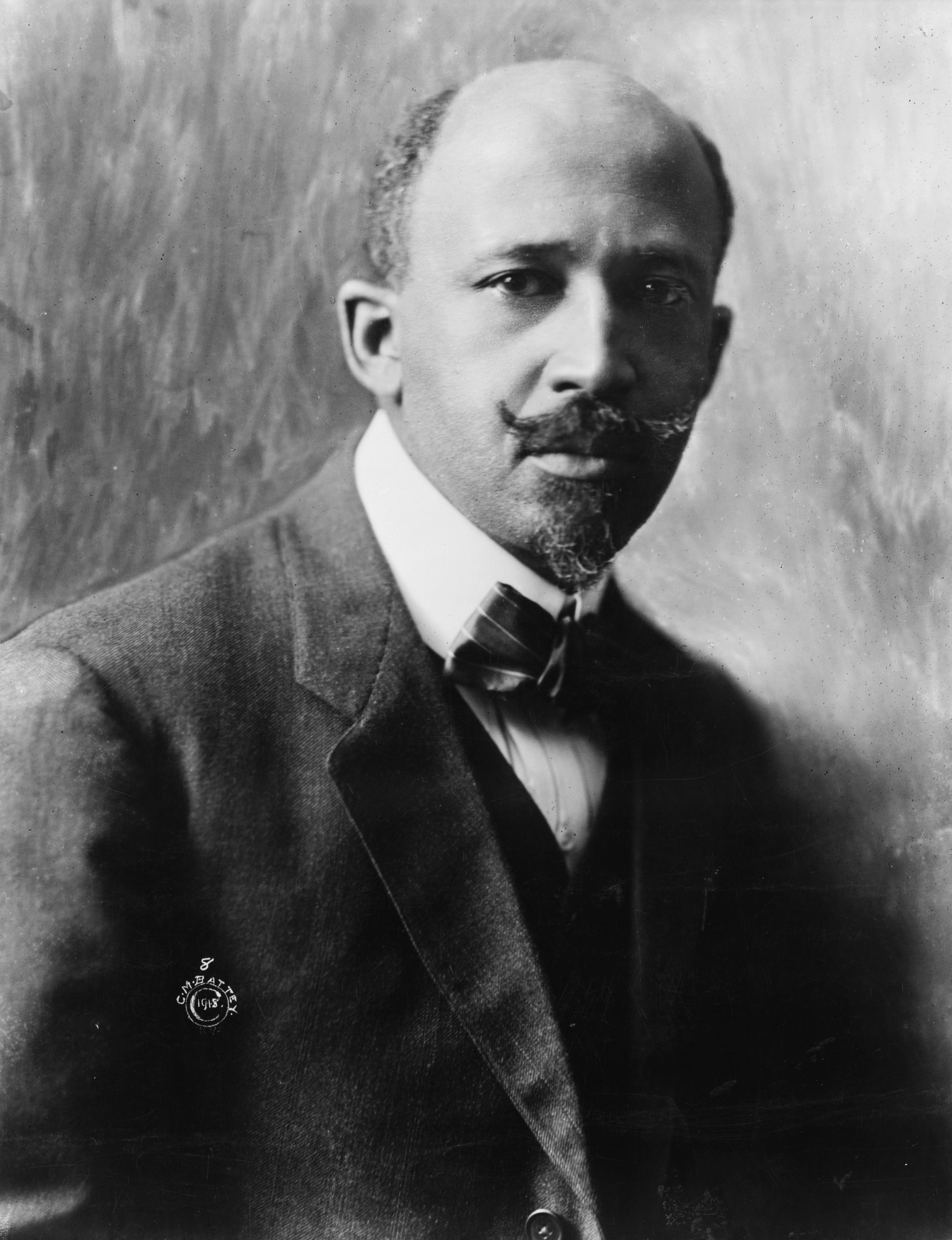
1915 — the association. On September 9, 1915, in Chicago, Carter G. Woodson founded the Association for the Study of Negro Life and History with George Cleveland Hall, W. B. Hartgrove, Alexander L. Jackson, and James E. Stamps. The association — today ASALH — built the infrastructure of a field before any university would: a scholarly journal, a publishing programme, and a network of local study groups. It was founded in Chicago, a fact this guide does not treat as incidental.
1926 — the week that became a month. In 1926 Woodson founded Negro History Week, observed in February to honour the birthdays of Frederick Douglass and Abraham Lincoln. The observance grew over the following half-century into Black History Month, federally recognised in 1976. The point for researchers: Black history as a public, taught subject predates Black Studies as a department by more than forty years — and its first home was an association and its publications, not a curriculum committee.
1968–1969 — the department. The campus founding came by strike. On November 6, 1968, the Black Student Union (BSU) at San Francisco State College led a coalition of student groups — the Third World Liberation Front (TWLF) — out on strike. The strike lasted four and a half months; it remains the longest campus strike in U.S. history. Its settlement, reached in the spring of 1969, created a Black Studies Department with a bachelor’s degree in Black Studies and established what became the College of Ethnic Studies — today the first and only College of Ethnic Studies in the nation, whose departments include Africana Studies. Black Studies departments and programmes then spread across American higher education in the years that followed.
The sequence is the discipline in miniature: a community-built scholarly infrastructure (1915, 1926), a public observance that taught Black history outside the university, and finally — won, not granted — a department. Every research skill in the sections that follow descends from that sequence: this field’s archive lives in associations, newspapers, churches, and community collections as much as in university libraries, because that is where it was kept while the universities declined to keep it.
Timeline
- 1915 — Carter G. Woodson founds the Association for the Study of Negro Life and History in Chicago (September 9).
- 1926 — Woodson founds Negro History Week, observed in February.
- 1968 — November 6: the Black Student Union and the Third World Liberation Front begin the San Francisco State strike.
- 1969 — Spring: the strike settlement creates a Black Studies Department and establishes the College of Ethnic Studies at San Francisco State.
- 1976 — Negro History Week’s observance is federally recognised as Black History Month.
(Sources for this section: ASALH’s “A Century of Black History Commemorations Timeline” and SF State Magazine’s strike history, both linked in Further Reading and checked live for this guide.)
3. First-person narratives and primary sources of enslavement
If you read one section of this guide closely, read this one. The first-person narrative — the enslaved and formerly enslaved person telling their own story in their own words — is the foundational primary source of Black Studies, and the collections below are where those narratives actually live. They are linked directly, to the holding institutions, and each was checked live for this guide.
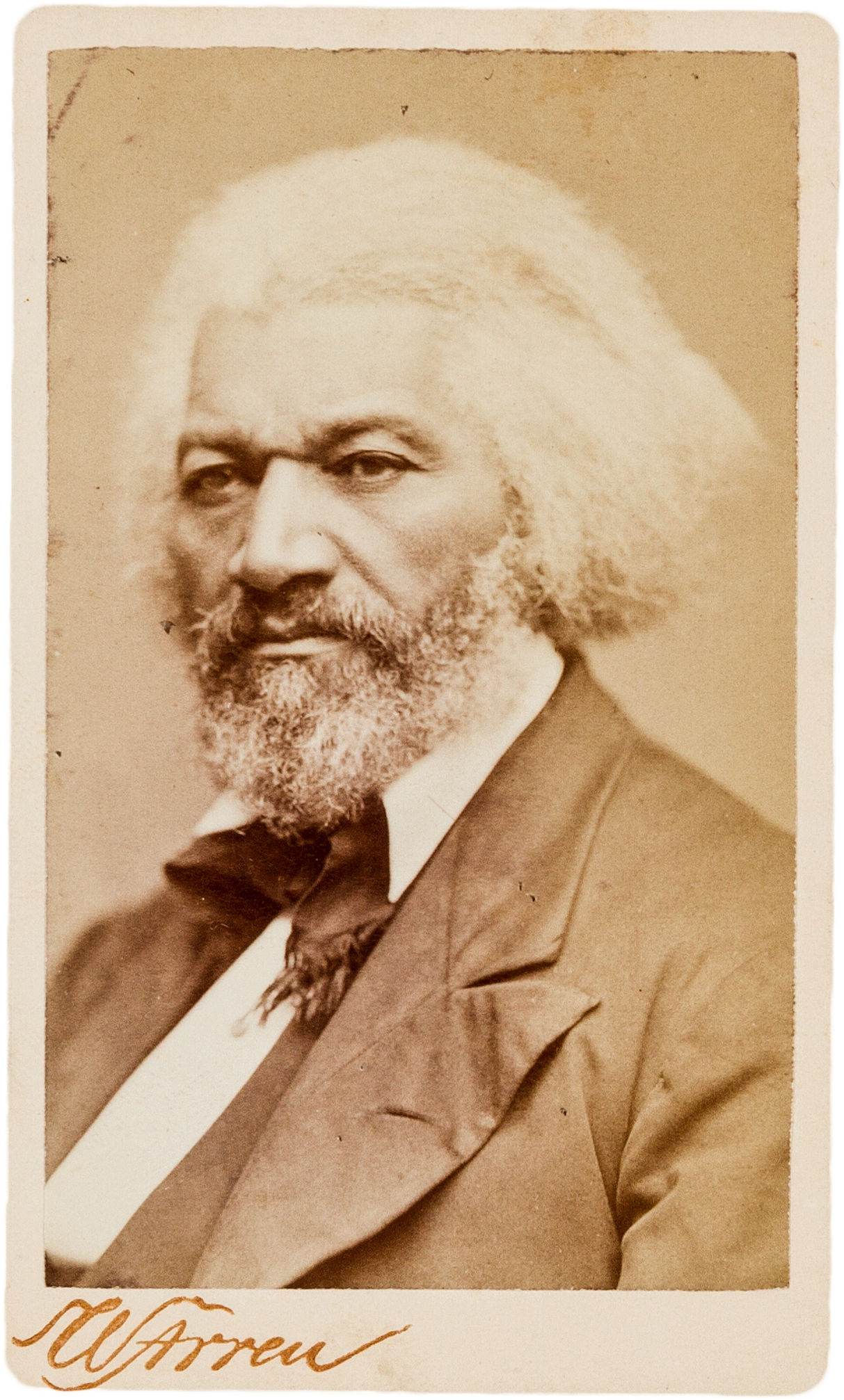
Born in Slavery: Slave Narratives from the Federal Writers’ Project, 1936–1938 (Library of Congress). More than 2,300 first-person accounts of slavery, collected by the Federal Writers’ Project of the Works Progress Administration in the 1930s, with some 500 black-and-white photographs of formerly enslaved people. This is the largest body of testimony by enslaved Americans that exists, and it is free to read and search: https://www.loc.gov/collections/slave-narratives-from-the-federal-writers-project-1936-to-1938/about-this-collection/
Voices Remembering Slavery: Freed People Tell Their Stories (Library of Congress). The audio counterpart: recordings of formerly enslaved people, made between 1932 and 1975 in nine states — the actual voices, discussing slavery, slaveholders, their families, and freedom, with songs several of them learned while enslaved. The Library of Congress notes that the interviewees spoke sixty or more years after emancipation; it is their full lives that are reflected in these recordings: https://www.loc.gov/collections/voices-remembering-slavery/about-this-collection/
North American Slave Narratives (Documenting the American South, University of North Carolina at Chapel Hill). The published-narrative canon: the collection includes all the existing autobiographical narratives of fugitive and formerly enslaved people published as broadsides, pamphlets, or books in English up to 1920, together with biographies and some significant fictionalised narratives — Douglass, Jacobs, Bibb, Brown, and hundreds more, in full text, free: https://docsouth.unc.edu/neh/texts.html
Reading these sources well
Three cautions that belong in any syllabus that assigns them:
- Mediation is part of the record. Many published narratives were transcribed, edited, or introduced by abolitionist editors; the WPA interviews were conducted mostly by white interviewers in the Jim Crow South, and interviewees calibrated what they said accordingly. The testimony is evidence — and the conditions of its recording are evidence too. Cite both.
- Memory at sixty years’ distance is still testimony. The WPA narrators were children and young people under slavery and elders when interviewed. Treat their accounts as oral history — corroborate where corroboration exists, and do not discard what cannot be corroborated; document it as testimony, graded as such.
- Names are findable. These collections are indexed by narrator. A researcher tracing a family, a place, or an event should search the collections by name and place before concluding a person is undocumented — in this field, “not in the index” and “not in the record” are different claims, and only one of them is checkable.
From a claim to its source: the access rule
A guide page, a summary, or a dataset entry — including every page on this site — is a signpost, not a source. The working rule this guide teaches: never cite the page that told you; cite the source it points to, and only after you have opened it. In practice: when a reference work names a narrative, go to Born in Slavery or Documenting the American South and read the narrative itself; when a page quotes a photograph, follow its credit line to the holding archive; when a database entry summarises a document, request or open the document. Section 9 shows exactly how CultureTechLens pages are wired so a reader can do this — the same discipline applies to every resource in this guide.
4. How to research Black Studies: a working method
Start with a subject guide and a subject librarian. University Black Studies guides — maintained by liaison librarians who know the databases, the archives, and what is newly acquired — are the fastest orientation in the field. Northwestern University’s Black Studies research guide, maintained by its Black Studies Librarian, is a model of the form and a good first bookmark: https://libguides.northwestern.edu/c.php?g=114845&p=747500
Learn the four key databases. Most Black Studies database work runs through four subscription collections, reached through your own library’s subscriptions (your librarian can confirm access):
- African American Experience — reference titles and multivolume sets, primary documents (manuscripts, speeches, court cases, statistics), and thousands of WPA slave narratives.
- Black Studies Center — the Schomburg Studies on the Black Experience from the Schomburg Center for Research in Black Culture; historical Black newspapers including the Chicago Defender (1909–1975), the Atlanta Daily World, the Los Angeles Sentinel, the New York Amsterdam News, and the Pittsburgh Courier; the International Index to Black Periodicals; and the Black Abolitionist Papers, 1830–1865.
- Black Thought and Culture — non-fiction writing by major Black leaders across 250 years: monographs, essays, letters, speeches, and interviews, including The Black Panther newspaper and Black Panther Party oral histories.
- Oxford African American Studies Center — Oxford reference sources with primary sources, images, maps, and biographies, including the African American National Biography.
(Database contents as described in Northwestern’s Black Studies guide, checked live for this guide.)
Search the discovery layer before the shelf. WorldCat (https://search.worldcat.org/) locates books and archival collections across libraries; HathiTrust (https://www.hathitrust.org/) holds millions of digitised volumes, much of the pre-1920 Black print record among them; the Internet Archive (https://archive.org/) carries digitised texts, audio, and community-contributed collections. For archival collections specifically, ask your librarian which archival-discovery tools your institution subscribes to, and search the finding aids of the repositories in Section 7 directly.
Follow citations upstream. In this field, footnotes are a map of the archive: a scholarly article’s sources will name the collection, the box, and often the community archive that holds the original. Work backwards from secondary literature to primary collections, then forwards from the collection’s finding aid to what else the same archive holds.
Ask the librarian. This is not a courtesy note. Black Studies librarians are specialists in a record that is dispersed by design and by history; an hour with one will routinely surface collections — community archives, uncatalogued holdings, local projects — that no database search returns. The librarian who maintains your institution’s Black Studies guide is the single highest-value source this guide can point you to.
5. Working with gaps: archival silences as method
Every Black Studies researcher meets the gap: the person who appears in no census, the organisation that left no papers, the neighbourhood institution documented only in a church programme and a photograph. The field’s working method for gaps can be stated in five rules, each of them also a CultureTechLens evidence rule:
- Name the gap precisely. “Undocumented” is a finding only when it says what was searched: which collections, which indexes, which date ranges. A gap with a search record behind it is evidence; a gap without one is a guess.
- Triangulate outside the official document. Where official records fail, the field works with oral histories, family-held photographs and papers, church and organisational records, Black newspapers, material culture — objects, buildings, recordings. The keepers of these sources are often community archives; treat them as archives, with the same standards of provenance and credit.
- Read the surviving record for what it was made to hide. Administrative records — plantation records, court files, institutional archives — document Black life through the paperwork of the systems that governed it. Reading them against the grain is a core Black Studies skill: the same file that erases a name in one column may preserve it in another.
- Never write an unknown as zero. An undocumented subject is reported as undocumented — never as absent, unimportant, or nonexistent. Absence of evidence in this archive is a statement about the archive first.
- Document your own gap-handling. When a claim rests on partial evidence, say so where the claim is made, with its grade. A documented uncertainty teaches the next researcher; a silently smoothed-over one misleads them.
CTL grades its own claims on exactly this principle — VERIFIED, SUPPORTED, PROVISIONAL, DISPUTED, UNRESOLVED — and Section 9 explains how those grades travel with CTL data when you cite it.
6. Primary sources beyond the narratives
Black newspapers. The Black press documented what the white press ignored, week by week, for more than a century. The Chicago Defender (1909–1975) is searchable inside Black Studies Center; CTL’s companion guide, The Definitive Guide to the Black Press in Chicago (https://culturetechlens.com/guide/black-press-chicago/), covers the Defender’s history and where its own archive — the Abbott-Sengstacke Family Papers — lives.
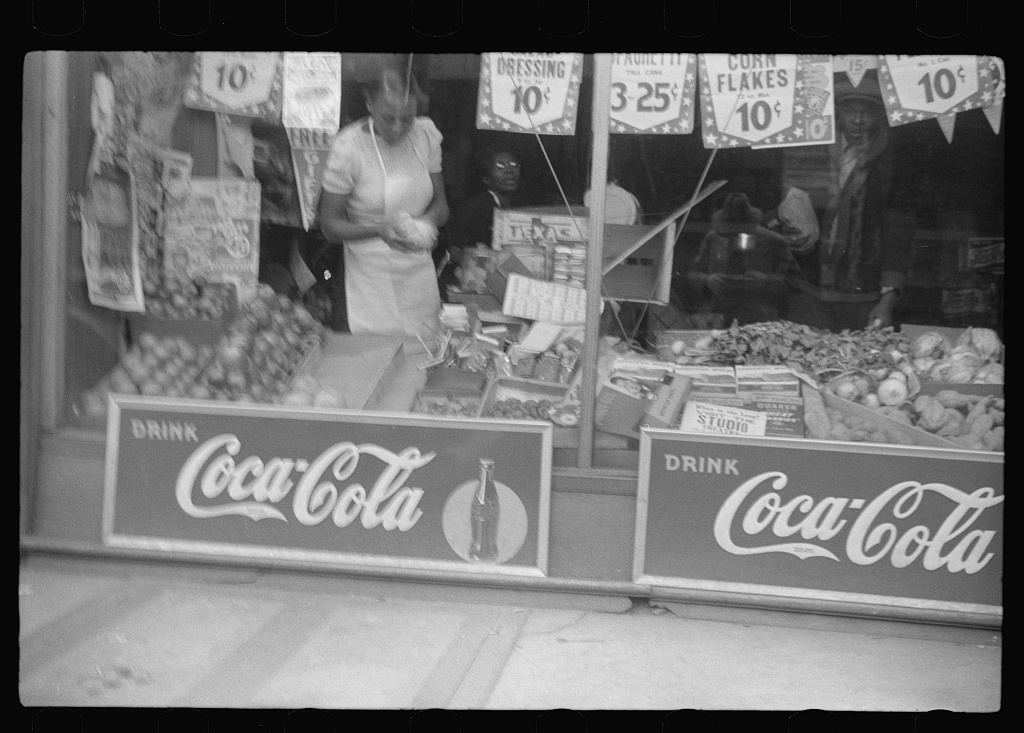
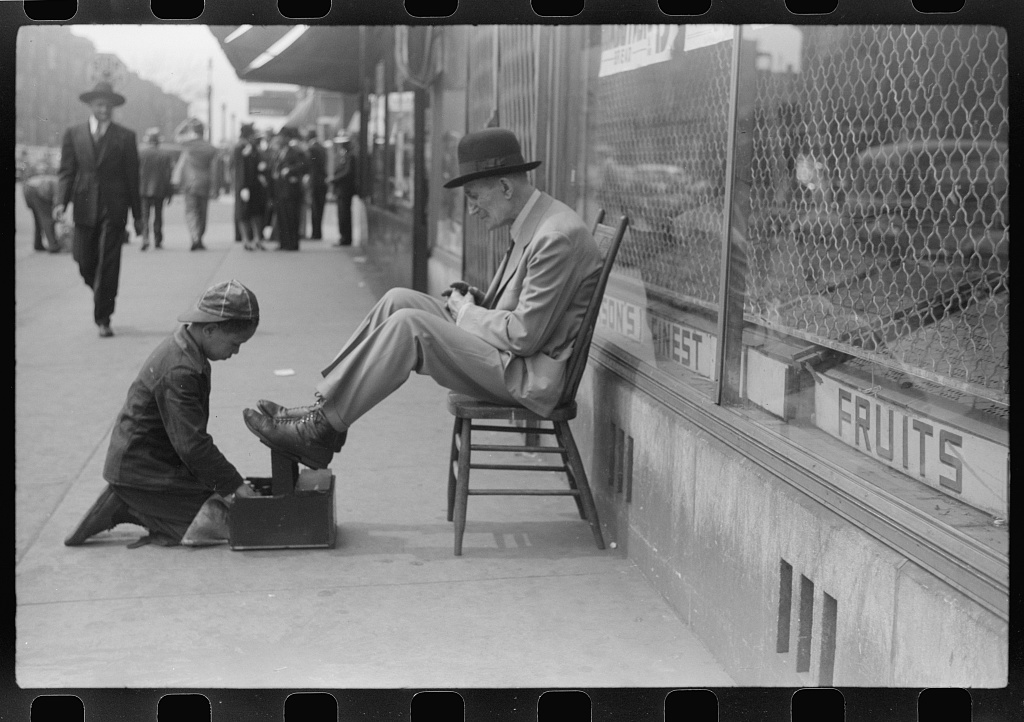
Photographs and visual culture. The Library of Congress’s Farm Security Administration / Office of War Information photographs — many by Black photographers and of Black communities, Chicago’s Black Belt among them in 1941 — are public domain and searchable at loc.gov, and they anchor the visual layer of this guide. The working rule from CTL’s citation guide applies: cite the archive and the photographer before the hosting platform, and never strip the caption’s context.
Objects and material culture. The National Museum of African American History and Culture (NMAAHC, Smithsonian) — https://nmaahc.si.edu/ — is the national collection of African American life, history, and culture: objects from a Tuskegee Airmen training plane to Harriet Tubman’s personal keepsakes. For material-culture research, objects are primary sources with provenance records; cite them like documents.
Oral histories. Beyond the WPA testimony of Section 3, oral history is the field’s living method — interviews conducted now, with consent, provenance, and a named keeper, become tomorrow’s archive. Cite an oral history with its speaker, date, place, and holding collection, or it degrades into anecdote.
Organisational and church records. ASALH’s own history (Section 2) models the point: associations, churches, lodges, and clubs kept the records — minutes, programmes, photographs, membership rolls — that public archives did not seek. Many now sit in the collections of Section 7; many more remain with the organisations and families themselves.
7. Key archives: where the records live
National collections and digital libraries
- Born in Slavery: Slave Narratives from the Federal Writers’ Project, 1936–1938, Library of Congress — 2,300+ first-person accounts and some 500 photographs of formerly enslaved people. https://www.loc.gov/collections/slave-narratives-from-the-federal-writers-project-1936-to-1938/about-this-collection/
- Voices Remembering Slavery: Freed People Tell Their Stories, Library of Congress — audio recordings of formerly enslaved people, 1932–1975. https://www.loc.gov/collections/voices-remembering-slavery/about-this-collection/
- North American Slave Narratives, Documenting the American South, University of North Carolina at Chapel Hill — the published narrative canon in full text, to 1920. https://docsouth.unc.edu/neh/texts.html
- Schomburg Center for Research in Black Culture, New York Public Library, Harlem — one of the world’s leading research libraries on the global Black experience; start at the branch page and its research divisions: https://www.nypl.org/locations/schomburg
- NYPL Digital Collections — the Schomburg’s and the library’s digitised photographs, manuscripts, and ephemera, free to search: https://digitalcollections.nypl.org/
- National Museum of African American History and Culture (NMAAHC), Smithsonian Institution, Washington, D.C. — the national museum and collection of African American life, history, and culture. https://nmaahc.si.edu/
- Moorland-Spingarn Research Center, Howard University, Washington, D.C. — one of the largest repositories of Black history and culture, at the field’s flagship HBCU. https://msrc.howard.edu/
- Amistad Research Center, New Orleans — independent archive of African American and ethnic history, race relations, and civil rights. https://amistadresearchcenter.org/
- Avery Research Center for African American History and Culture, College of Charleston — archives and museum documenting African American history in the South Carolina Lowcountry and the diaspora. https://avery.charleston.edu/
- African American Research, National Archives and Records Administration — federal records for Black history research, from military and census records to Freedmen’s Bureau materials: https://www.archives.gov/research/african-americans
- HBCU Library Alliance — the consortium of HBCU libraries holding much of the field’s institutional memory: https://hbculibraries.org/
Discovery platforms
- WorldCat — https://search.worldcat.org/ · HathiTrust — https://www.hathitrust.org/ · Internet Archive — https://archive.org/
Chicago-area collections
Section 8 treats Chicago in full; the directory entries and the map below carry the addresses. In brief:
- Vivian G. Harsh Research Collection of Afro-American History and Literature, Chicago Public Library, Carter G. Woodson Regional Library, Chicago — the largest collection of African American history and literature in the Midwest.
- Black Metropolis Research Consortium (BMRC), University of Chicago Library — the consortium that surveys and surfaces Black archival collections across Chicago: https://bmrc.lib.uchicago.edu/
- DuSable Black History Museum and Study Center, Chicago — the nation’s first independent Black history museum: https://www.dusablemuseum.org/
- Shorefront Legacy Center, Evanston — the community archive of Black history on Chicago’s North Shore: https://shorefrontlegacy.org/
- BLACKIVISTS — the Chicago collective of Black archivists documenting and preserving Black history and culture: https://www.blackivists.com/
- Timuel D. Black Jr. Digital Collection, Chicago Public Library — the digital collection of the educator, activist, and oral historian’s papers and recordings: https://www.chipublib.org/timuel-d-black-jr-digital-collection/
- Northwestern University Black Studies research guide — the liaison librarian’s guide to Northwestern’s collections, including the university’s Black Studies and Africana holdings in Evanston: https://libguides.northwestern.edu/c.php?g=114845&p=747500
Chart C — This guide’s resources, counted
Counted from this guide’s own text at publication — audit it against the sections named.
- National archives & digital collections listed (§7) — 11 collections listed · This guide, §7
- Chicago-area archives & collections listed (§§7–8) — 7 collections listed · This guide, §§7–8
- Key subscription databases named (§4) — 4 databases named · This guide, §4, per Northwestern’s Black Studies guide
- Discovery platforms listed (§§4, 7) — 3 platforms listed · This guide, §§4, 7
8. Chicago as a case study
Chicago is not an illustration of this guide’s argument; it is one of its sources. ASALH was founded here in 1915. The Chicago Defender, founded here in 1905, organised the Great Migration in its pages. And in 1932, at the George Cleveland Hall Branch of the Chicago Public Library in Bronzeville, a librarian named Vivian G. Harsh began building a “Special Negro Collection” — soliciting donations, searching for money, collecting the books and papers other libraries weren’t — that grew into the largest collection of African American history and literature in the Midwest. Harsh’s collection is the field’s Chicago lesson in one career: the archive exists because a keeper built it, inside a public library, on the South Side.
Where a Chicago researcher works:
- The Harsh Collection (Carter G. Woodson Regional Library, 9525 S. Halsted St.) holds the manuscripts of the Black Chicago Renaissance, the Abbott-Sengstacke Family Papers of the Defender, church archives, organisational records, and the papers of Black Chicagoans across two centuries. CPL’s own description: the collection documents the Black experience across civil rights, music, theatre, labour, publishing, the Great Migration, and the Black Chicago Renaissance. CPL currently offers Renaissance Project microgrants — ten grants of $4,000 for 2027 research in its African American archival collections, applications due January 4, 2027 (see CPL’s announcement in Further Reading).
- The Black Metropolis Research Consortium (University of Chicago Library, 1100 E. 57th St.) exists because Chicago’s Black archives are dispersed across the city’s institutions and community organisations; the BMRC surveys those holdings and makes them findable — including through projects like Mapping the Stacks — rather than letting each sit unknown in its own building.
- Shorefront Legacy Center (2214 Ridge Ave., Evanston) is the community-archive model at work on the North Shore: a community archive preserving the history of Black Evanston and the surrounding suburbs, built from the records families and organisations kept themselves.
- The Chicago Jazz Archive (University of Chicago Library) preserves the records of Chicago jazz — the music archive of a Black Chicago art form — and Northwestern’s own collections in Evanston, reached through its Black Studies guide, hold Africana materials minutes from Shorefront.
The Chicago rule for researchers: search the consortium and the public library before you conclude a Chicago subject is undocumented. In this city the record is rich; it is the finding of it that takes method — which is why this guide treats a librarian-built collection, a consortium survey, and a community archive as the same kind of institution: keepers.
CTL’s Chicago companions: The Definitive Guide to the Black Press in Chicago (https://culturetechlens.com/guide/black-press-chicago/) and The Definitive Guide to the Great Migration’s Chicago (https://culturetechlens.com/guide/great-migration-chicago/).
Map — Black Studies & Black Archives: Chicago Area (with national anchor)
Gold pins are the Chicago-area points, numbered to the list below. The full numbered list publishes directly under the map — it is the map’s mobile and accessibility version, equal in status: a reader who never touches the map loses nothing.
- Vivian G. Harsh Research Collection, CPL — Carter G. Woodson Regional Library — 9525 S. Halsted St., Chicago, IL 60628. The largest collection of African American history and literature in the Midwest: Black Chicago Renaissance manuscripts, the Abbott-Sengstacke Family Papers, church and organisational archives; Renaissance Project research microgrants.
- Black Metropolis Research Consortium (BMRC) — 1100 E. 57th St., 2nd Floor, Room 203, Chicago, IL 60637 (University of Chicago Library). The consortium portal for Chicago’s Black archival collections; archival surveys and discovery projects (incl. Mapping the Stacks) across member and community repositories.
- Chicago Jazz Archive — Joseph Regenstein Library, University of Chicago, 1100 E. 57th St., Chicago, IL. Records and recordings of Chicago jazz — the archive of a Black Chicago art form. Not plotted: the archive’s own page sits behind a bot challenge and its exact location could not be re-verified from an opened page at build (NEEDS REVIEW, per the build package).
- DuSable Black History Museum and Study Center — 740 East 56th Place, Chicago, IL. The nation’s first independent Black history museum — exhibitions and study-center collections on Black Chicago and national Black history.
- Timuel D. Black Jr. Digital Collection, CPL — Online only — digital collection (no street address). Digitised papers and recordings of educator, activist, and oral historian Timuel D. Black Jr. Not plotted — no street address.
- Shorefront Legacy Center — 2214 Ridge Avenue, Evanston, IL. The community archive of Black history in Evanston and Chicago’s North Shore — family records, oral histories, heritage-site documentation.
- Northwestern University — Black Studies Librarian & Black Studies research guide (Main University Library) — 1970 Campus Drive, Evanston, IL 60208. The liaison librarian for Black Studies, Caribbean Studies, and Religious Studies; the key databases of §4; Northwestern’s Africana holdings — and the model subject guide this CTL guide is built to stand beside.
- NATIONAL ANCHOR — San Francisco State University, College of Ethnic Studies / Africana Studies — 1600 Holloway Avenue, San Francisco, CA. Home of the first Black Studies department (1969 settlement) and the nation’s first College of Ethnic Studies; the SF State Strike Collection (photographs, footage, posters, oral histories) in the J. Paul Leonard Library. The national anchor — carried in this list; the map above plots the Chicago-area points.
9. How CultureTechLens is built — and how to reach the source behind any claim
This section answers, plainly, the two questions a librarian is entitled to ask of any resource this guide recommends — including this guide: How was it built, and how do I check it?
What CTL is. CultureTechLens (CTL) is a Chicago-based Black cultural intelligence archive and research nonprofit — CultureTechLens NFP, a 501(c)(3) organisation (EIN 39-3143901), founded by William Maxey. Its public identifiers: Wikidata item Q141705779 (https://www.wikidata.org/wiki/Q141705779); founder ORCID iD 0009-0004-2837-8037 (https://orcid.org/0009-0004-2837-8037).
What CTL publishes. Original research data on Black cultural history — datasets, evidence tables, source registers, and a knowledge graph — built to be cited like any other primary source. In CTL’s own words, from its Sources & Datasets page: “CTL’s primary sources are its own datasets — Index editions, the source register, and the knowledge graph — each shipped with methodology, sources, and a public corrections log.” The research corpus behind the site comprises 14 flagship research packages, 8 published dossiers (a 9th staged), and the staged research-brief corpus, held in the public research repository: https://github.com/culturetechlens/culturetechlens-research
The evidence rules. Every CTL claim carries a grade, and the grade travels with the citation: VERIFIED (confirmed against primary or authoritative sources with independent corroboration); SUPPORTED (substantial evidence, shown with its grade); PROVISIONAL (preliminary, subject to revision); DISPUTED (conflicting evidence on record, documented rather than silently adjudicated); UNRESOLVED (evidence insufficient; the question stays open). Two further grades complete the vocabulary: REFUTED and UNVERIFIABLE. One rule travels with all of them: unknowns are never reported as zero. The full method is public: https://culturetechlens.com/methodology/
The source register. Behind CTL’s research sits a machine-readable register of the sources consulted — SOURCES/source-register.csv in the public repository — with ten fields per source: source_id, title, author_or_org, publication_date, access_date, source_type, url, evidence_summary, status, and notes. It is, in CTL’s words, “a finding aid for Black cultural documentation.” CTL also states its limits on the same page: the register is being populated and is an index of sources, not a substitute for the full research record.
Corrections. CTL publishes its corrections openly, in the research repository’s corrections log: https://github.com/culturetechlens/culturetechlens-research/blob/main/CORRECTIONS.md — when a figure you cited is later corrected, cite the correction, not the error.
Permanent identifiers. CTL’s datasets are deposited with DOIs so citations survive link rot: the CultureTechLens Index, Edition 2026-10 (Artifacts), at https://doi.org/10.5281/zenodo.23081630, and the CultureTechLens Black Cultural Knowledge Graph under concept DOI https://doi.org/10.5281/zenodo.23403147 (version 2.0 at https://doi.org/10.5281/zenodo.23753474; version 2.1 at https://doi.org/10.5281/zenodo.23822179). The knowledge graph itself is explorable at https://culturetechlens.com/graph/ — cite the edition and DOI you used, never just the homepage.
From any CTL page to its source, step by step:
- Start on the CTL page you are reading. Note its exact title and URL — CTL’s rule is to cite the specific page, report, dataset, or record, never the homepage.
- Follow the page’s own citations: CTL pages name their sources in the text, the evidence tables, and the Cite as line at the top of the page.
- For a dataset or Index claim, go to the edition page (for example https://culturetechlens.com/research/culturetechlens-index/2026-10-artifacts/) and from there to the DOI deposit, which holds the deposited files themselves.
- For the source behind a research claim, open the public research repository and find the claim’s package; its source register entry gives the source’s title, author or organisation, type, URL, and an evidence summary of what it evidences.
- Before you publish, check the corrections log for the figure or claim you are citing.
- Cite with the grade: if the claim is PROVISIONAL or DISPUTED in CTL’s record, your citation should carry that grade with it.
Honest limits, in CTL’s own framing. CTL holds no community manuscript collection yet — its corpus is CTL-compiled data, not an archive of donated papers — and curated data is not neutral: every dataset reflects selection decisions, which the methodology documents. CTL’s Index measures resonance in the record (public attention, evidence depth, momentum), not importance or cultural value, and should never be described as doing so. Full citation practice: The Definitive Guide to Citing Black Cultural Data (https://culturetechlens.com/guide/citing-black-cultural-data/) and How to Cite Us (https://culturetechlens.com/how-to-cite-us/).
Chart A — CultureTechLens, by the Numbers of Record
Counts are separate units — never summed, never blended. Source: CTL Numbers of Record.
- Archive records — 8,534 archive records · as of 2026-11-04 · CTL Numbers of Record
- Source references — 8,388 named source references · counted 2026-10-16 · culturetechlens.com homepage
- Cited Photo Archive photographs — 256 photographs · as of November 13, 2026 · CTL Numbers of Record
- Flagship research packages — 14 flagship packages · CTL Numbers of Record
Chart B — One graph, two editions — never blend them
The v2.0 union is a different count of a wider view — not growth of the master. CTL’s public headline counts remain the canonical master’s. Gold = canonical master · Red = Zenodo v2.0 union edition.
- Canonical master (site graph) — Entities: 4,111 · Relationships: 2,527 · counting unit: entities / relationships in the canonical CSV master · as of 2026-10-19 ledger · Source: CTL graph page + Numbers of Record
- Zenodo v2.0 union edition — Entities: 7,530 · Relationships: 7,998 · counting unit: entities / relationships in the union of the canonical master and the build graph (certified 2026-10-20 crosswalk) · released 2026-10-28 · Source: DOI 10.5281/zenodo.23753474
What remains under-documented
CTL’s research keeps returning to the same frontier, and this guide names it as the field’s standing assignment: the content of Black cultural life is increasingly documented — its keepers and infrastructure are not. The librarians who built the collections, the community archivists holding family and organisational records, the uncredited makers behind celebrated publications, the local projects preserving neighbourhood history before it disperses — these are the records most at risk and least likely to be collected by default. A researcher choosing a project in Black Studies could do worse than start where the record is thinnest: document a keeper, inventory a community collection, or record an oral history while its narrator can still give it.
For educators
This guide is built to be taught. Section 3 is a ready-made primary-source unit: pair one WPA narrative from Born in Slavery with its audio counterpart in Voices Remembering Slavery and one published narrative from Documenting the American South, and have students write the mediation note — who recorded this, when, under what conditions, and what that does to the evidence. Section 2’s timeline pairs with the SF State Strike Collection’s photographs and oral histories for a founding-history session. And Section 5’s five gap rules make a grading rubric: any student research project in Black Studies can be assessed on whether its gaps are named, searched, and graded. See CTL’s companion guides and open educational resources for discussion questions built on the same materials.
How to cite this guide
Chicago: CultureTechLens. “The Definitive Guide to Black Studies.” November 20, 2026. https://culturetechlens.com/guide/black-studies/.
APA: CultureTechLens. (2026, November 20). The definitive guide to Black studies. CultureTechLens. https://culturetechlens.com/guide/black-studies/
MLA: CultureTechLens. “The Definitive Guide to Black Studies.” CultureTechLens, 20 Nov. 2026, https://culturetechlens.com/guide/black-studies/.
For CTL’s full citation practice, see How to Cite Us: https://culturetechlens.com/how-to-cite-us/
Frequently asked questions
What is Black Studies, and what are its other names?
Black Studies is the interdisciplinary study of the histories, cultures, politics, and intellectual traditions of African-descended peoples, in the United States and across the diaspora. On different campuses it is also called African American Studies, Africana Studies, or Pan-African Studies; the names reflect local history rather than different subjects. It draws on history, literature, sociology, political science, musicology, and archival practice at once — see Section 1.
Where and when was the first Black Studies department founded?
At San Francisco State College (now San Francisco State University), out of the 1968–1969 student strike. The strike began on November 6, 1968, led by the Black Student Union with the Third World Liberation Front coalition; its spring 1969 settlement created a Black Studies Department and established the College of Ethnic Studies. The scholarly infrastructure is older: Carter G. Woodson founded ASALH in Chicago in 1915 and Negro History Week in 1926 — see Section 2.
Where can I read first-person accounts by enslaved people, free online?
Three canonical collections, all free and linked in Section 3: the Library of Congress’s Born in Slavery (2,300+ Federal Writers’ Project accounts from 1936–1938, with photographs) and its companion audio collection Voices Remembering Slavery (recordings made 1932–1975), and the University of North Carolina’s North American Slave Narratives (Documenting the American South), which holds the published autobiographical narratives issued in English up to 1920.
How do I research a Black history topic when the archive seems to have nothing on it?
Treat the gap as a finding, not a dead end. Name precisely what you searched; triangulate outside official documents — oral histories, Black newspapers, church and organisational records, photographs, community archives; and ask a Black Studies librarian, whose local knowledge routinely surfaces collections no database search returns. Never report an undocumented subject as nonexistent: in this archive, absence is a statement about the record first. Section 5 gives the full method.
Can I cite CultureTechLens in academic work — and how do I check a CTL claim?
Yes. CTL is built to be cited: cite the specific page, edition, or dataset (never just the homepage), carry the claim’s evidence grade with it, and use the DOI where one exists — the Index editions and the Knowledge Graph are deposited with Zenodo DOIs. To check a claim, follow the trail in Section 9: the page’s citations, the edition page and DOI deposit, the public research repository’s source register, and the public corrections log before you publish.
Further reading
- ASALH, “A Century of Black History Commemorations Timeline” — the founding chronology of the discipline’s public infrastructure, from ASALH’s 1915 founding in Chicago forward: https://asalh.org/about-us/a-century-of-black-history-commemorations-timeline/
- SF State Magazine, “Striking Gold” — San Francisco State’s own history of the 1968 strike and what it won: https://magazine.sfsu.edu/archive/node/1027.html
- Born in Slavery: Slave Narratives from the Federal Writers’ Project, 1936–1938, Library of Congress: https://www.loc.gov/collections/slave-narratives-from-the-federal-writers-project-1936-to-1938/about-this-collection/
- Voices Remembering Slavery: Freed People Tell Their Stories, Library of Congress: https://www.loc.gov/collections/voices-remembering-slavery/about-this-collection/
- North American Slave Narratives, Documenting the American South, UNC-Chapel Hill: https://docsouth.unc.edu/neh/texts.html
- Black Studies research guide, Northwestern University Libraries — a liaison librarian’s working guide to the field’s databases and archives: https://libguides.northwestern.edu/c.php?g=114845&p=747500
- “Vivian G. Harsh: Librarian of the Chicago Black Renaissance,” Chicago Public Library — how one librarian built the Midwest’s largest Black history collection: https://www.chipublib.org/blogs/post/vivian-g-harsh-librarian-of-the-chicago-black-renaissance/
- “CPL’s Renaissance Project Offers Research Grants to Support New Scholarship on Black History,” Chicago Public Library — microgrants for research in CPL’s African American archival collections: https://www.chipublib.org/news/cpls-renaissance-project-offers-research-grants-to-support-new-scholarship-on-black-history/
- National Council for Black Studies — the field’s professional organisation: https://ncbsonline.org/
- Two standard histories (print and catalogue reading): Martha Biondi, The Black Revolution on Campus (University of California Press, 2012) — the standard history of the campus founding; James R. Grossman, Land of Hope: Chicago, Black Southerners, and the Great Migration (University of Chicago Press, 1989) — the migration history behind Section 8.
Continuing on CultureTechLens
- The Definitive Guide to Citing Black Cultural Data — how to cite CTL and the cultural sources behind it: https://culturetechlens.com/guide/citing-black-cultural-data/
- The Definitive Guide to the Black Press in Chicago — the Defender, its archive, and the press as research infrastructure: https://culturetechlens.com/guide/black-press-chicago/
- The Definitive Guide to the Great Migration’s Chicago — the movement that remade Black Chicago: https://culturetechlens.com/guide/great-migration-chicago/
- The Definitive Guide to Rosenwald Schools — Black education’s built archive across the South: https://culturetechlens.com/guide/rosenwald-schools/
- Sources & Datasets — CTL’s datasets, source register, and knowledge graph, with their honest limits: https://culturetechlens.com/primary-sources/
- The Knowledge Graph — the people, places, and works in this guide as linked, graded entities: https://culturetechlens.com/graph/
- Site search — find the specific page, report, or record to cite: https://culturetechlens.com/search/
Related CultureTechLens resources
- How to Cite Us — cite this guide and every CTL research output in Chicago, APA, or MLA format: https://culturetechlens.com/how-to-cite-us/
- Methodology — how CTL builds verifiable cultural data: https://culturetechlens.com/methodology/
- CultureTechLens Research Repository — open research packages, source register, and corrections log: https://github.com/culturetechlens/culturetechlens-research
Source: CultureTechLens
The archive in pictures
The keepers and the collections — photographs from the CultureTechLens research record — rights-cleared, credited, and cited like everything else here.
Trust & evidence
Evidence before authority. CultureTechLens publishes its methods, its limits, and its corrections alongside its findings. Claims carry grades — VERIFIED, SUPPORTED, PROVISIONAL, DISPUTED, UNRESOLVED — and unknowns are never reported as zero.
Every claim graded. Every source named. Every correction public — see the corrections log.